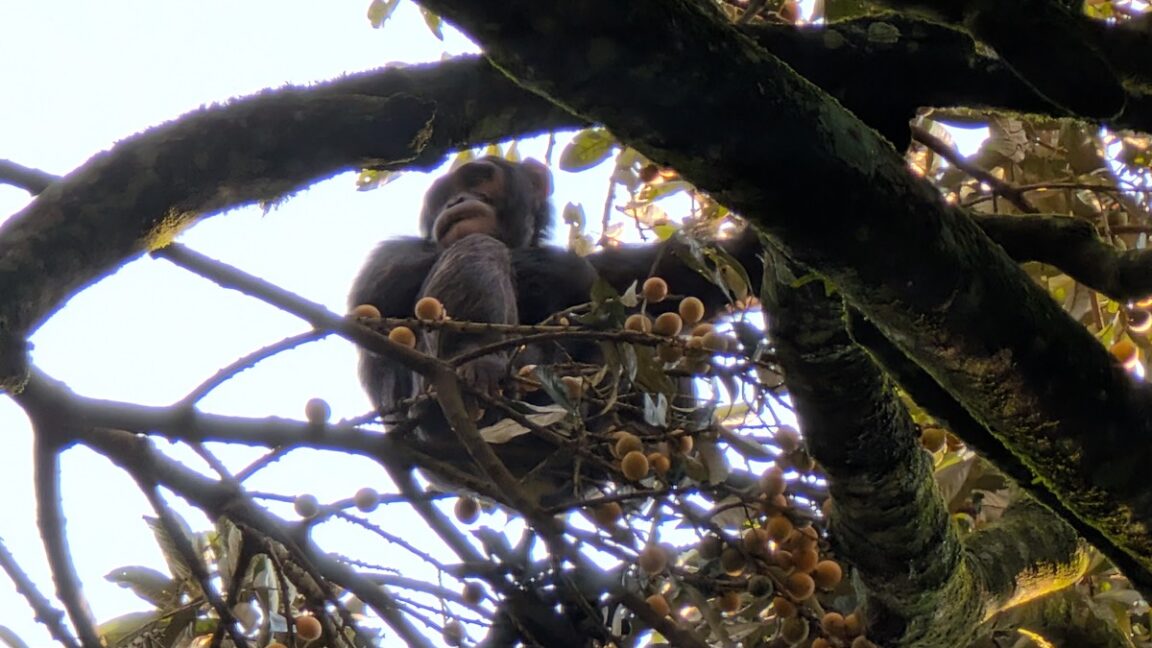
Boozy Chimps and the Evolutionary Roots of Human Alcohol Consumption
New research confirms that wild chimpanzees ingest significant amounts of alcohol through their natural diet of fermented fruit, bolstering a long-debated theory about the origins of human attraction to intoxicating beverages. An analysis of urine samples from chimps in Uganda revealed the presence of ethanol byproducts in the vast majority of samples, providing direct evidence that these apes regularly consume alcohol from naturally fermented sources. This finding builds upon previous work demonstrating that chimpanzees consume fruits containing substantial levels of ethanol, potentially equivalent to nearly two standard alcoholic drinks per day.
The research, published February 24, 2026, adds weight to the “drunken monkey hypothesis” proposed by UC Berkeley biologist Robert Dudley. First outlined in his 2014 book, The Drunken Monkey: Why We Drink and Abuse Alcohol, the hypothesis suggests that a predisposition for alcohol consumption isn’t a recent human development, but rather a trait inherited from our primate ancestors dating back approximately 18 million years. Dudley posited that the ability to detect and consume fermented fruits, which offer a concentrated source of energy, may have played a role in social bonding and communication among early primates. Initially, the idea faced skepticism, with critics arguing that primates didn’t typically consume fermented fruits.
Still, mounting evidence over the past two decades has challenged that assumption. Researchers have documented instances of primates actively seeking out and sharing fermented fruits. In April 2025, scientists observed wild chimpanzees in Côte d’Ivoire sharing fermented African breadfruit, measuring alcohol content as high as 0.61% alcohol by volume (ABV) in the fallen fruit. This marked the first documented instance of non-human great apes sharing alcoholic foods in the wild. Further bolstering the theory, a study published in September 2025 in Science Advances quantified the ethanol intake of chimpanzees in both the Ivory Coast and Uganda, estimating they consume around 14 grams of alcohol daily – the equivalent of a standard drink in the United States. When adjusted for their smaller body mass (approximately 40 kilograms compared to a typical human’s 70 kilograms), the researchers concluded that chimps are effectively consuming nearly two drinks per day.
A Challenging Collection Process
While the initial studies established the presence of ethanol in fruits consumed by chimpanzees, confirming actual ingestion required a more direct method. That’s where the urine analysis came in. Aleksey Maro, a graduate student at UC Berkeley, took on the task of collecting urine samples from chimpanzees in Uganda’s Ngogo forest. The process, as described in a recent report, proved surprisingly challenging. Traditional methods, like breathalyzers, were impractical in the field. Maro, working with Sharifah Namaganda of the University of Michigan, devised a system using forked branches fitted with plastic bags to collect urine samples discreetly. He also discovered that collecting samples from leaves beneath trees where chimps fed was a more reliable method.
The results of the urine analysis were compelling. According to the University of California, Berkeley, analysis of 20 urine samples revealed ethanol byproducts in at least 17, confirming that chimpanzees are indeed ingesting substantial amounts of alcohol from their diet. This provides strong support for the idea that our primate ancestors may have developed a tolerance – and perhaps even a preference – for fermented foods.
The ‘Drunken Monkey’ Hypothesis: A Deeper Dive
Dudley’s “drunken monkey hypothesis” isn’t simply about primates enjoying a buzz. It proposes a more fundamental link between fruit fermentation and primate evolution. The theory suggests that primates evolved to detect ethanol as a signal of ripeness and nutritional value. Fermenting fruits produce ethanol as a byproduct of sugar breakdown, and the presence of ethanol indicates a higher sugar content and therefore a more energy-rich food source. Dudley argues that the ability to efficiently locate and consume these fruits provided a selective advantage, and that social behaviors surrounding food sharing may have evolved to facilitate the identification of ripe, fermented fruits.
The hypothesis also suggests that the human attraction to alcohol may be a vestigial trait, a byproduct of this evolutionary history. While excessive alcohol consumption is clearly detrimental, a moderate intake may tap into ancient reward pathways associated with the consumption of nutritious, fermented foods. This doesn’t excuse harmful drinking behaviors, but it offers a potential explanation for why humans, across cultures, have a long-standing relationship with alcoholic beverages.
Implications for Understanding Primate Behavior and Human Evolution
The ongoing research into chimpanzee alcohol consumption has broader implications for understanding primate behavior and the evolutionary pressures that shaped our own species. It highlights the importance of considering the ecological context when studying primate diets and social interactions. The discovery that chimpanzees actively seek out and consume fermented fruits challenges previous assumptions about their dietary preferences and cognitive abilities.
the findings support the idea that the evolutionary history of alcohol consumption is more complex than previously thought. It suggests that our ancestors may have been exposed to alcohol for millions of years, and that this exposure may have played a role in shaping our physiology, and behavior. Future research will likely focus on investigating the genetic and neurological mechanisms underlying alcohol metabolism and reward pathways in primates, potentially shedding further light on the origins of human alcohol dependence and addiction.
What’s Next?
Researchers plan to continue monitoring chimpanzee populations and analyzing their diets to gain a more comprehensive understanding of their alcohol intake. Future studies may also explore the potential effects of chronic alcohol exposure on chimpanzee health and behavior. The team also intends to investigate whether other primate species exhibit similar patterns of alcohol consumption. The ongoing work promises to further refine our understanding of the complex relationship between primates, fermented foods, and the evolutionary history of alcohol consumption. The next phase of the study, scheduled to begin in the fall of 2026, will involve analyzing fecal samples to determine the long-term effects of dietary ethanol on gut microbiome composition in chimpanzees.
The question of why we drink remains a fascinating and complex one. While the “drunken monkey hypothesis” isn’t without its critics, the growing body of evidence suggests that our relationship with alcohol may be deeply rooted in our evolutionary past. As researchers continue to unravel the mysteries of primate behavior and human evolution, we may gain a deeper appreciation for the origins of this enduring human fascination.
What are your thoughts on the “drunken monkey hypothesis”? Share your comments below, and don’t forget to share this article with your network!
Keep reading