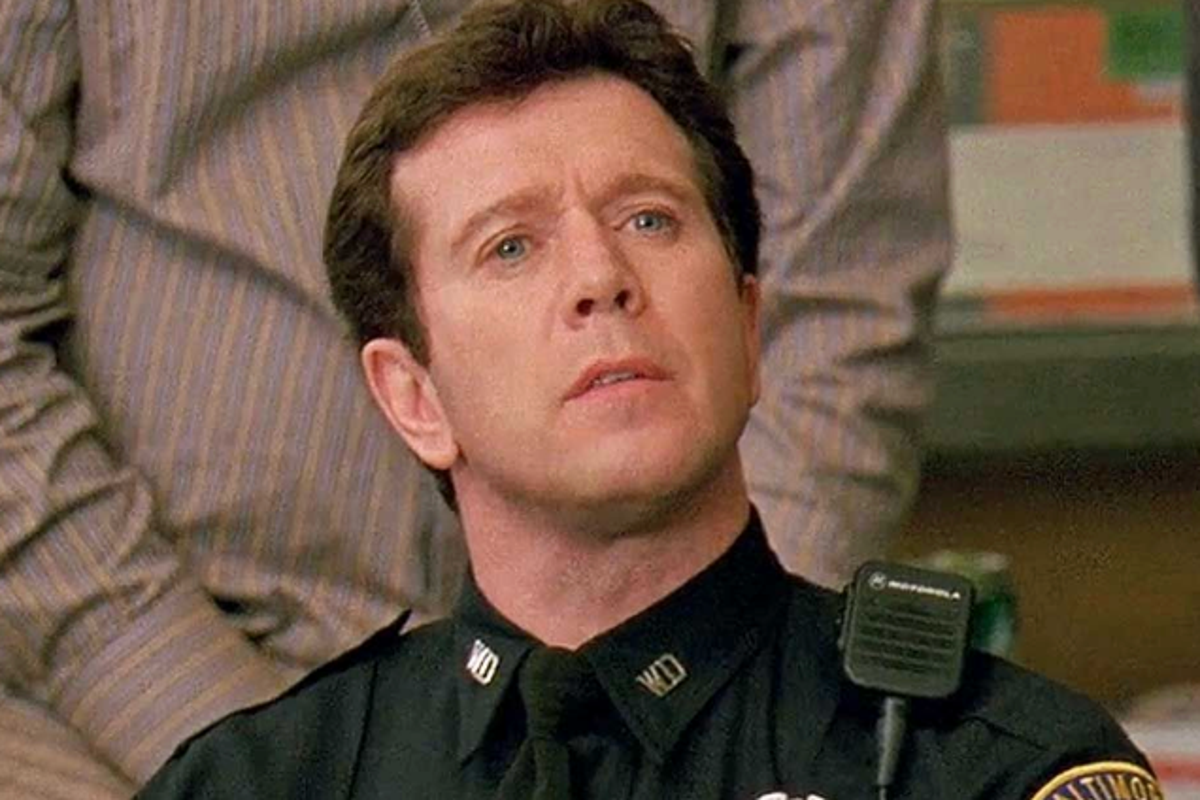
The death of actor Michael K. Williams, widely recognized for his portrayal of Omar Little on the critically acclaimed series The Wire, has reached a point of finality following the release of comprehensive toxicology and autopsy findings. Williams was found unresponsive in his Brooklyn penthouse on September 6, 2021, at the age of 54, as confirmed by the New York City Office of Chief Medical Examiner. While initial reports surrounding the incident were subject to speculation, the official autopsy determined that the actor’s death was an accident resulting from acute drug intoxication, specifically involving a combination of fentanyl, p-fluorofentanyl, heroin, and cocaine.
The legal process following the investigation led to significant federal action, highlighting the broader public health crisis regarding illicitly manufactured substances. In 2022, federal prosecutors in Manhattan announced the arrest and subsequent conviction of individuals involved in the distribution of the narcotics linked to the actor’s death. According to the U.S. Attorney’s Office for the Southern District of New York, the organization operated in the Williamsburg neighborhood of Brooklyn, where they sold fentanyl-laced heroin under the guise of legitimate medication. The conviction of these individuals brought a measure of judicial closure to a case that drew national attention to the dangers of the opioid epidemic.
Understanding the Medical Findings
The medical examiner’s report provided clarity on the physiological circumstances surrounding the actor’s passing. By identifying the specific cocktail of substances, authorities were able to categorize the death as an accidental overdose rather than a result of foul play. This distinction is standard protocol for the New York City Office of Chief Medical Examiner, which conducts thorough toxicological screenings in cases of sudden, unattended death. The presence of fentanyl, a synthetic opioid significantly more potent than morphine, is a recurring factor in modern overdose statistics, as noted by the Centers for Disease Control and Prevention (CDC).
For fans and the public, these details shifted the focus from the initial uncertainty to a broader conversation about addiction. Williams had been vocal throughout his career about his personal struggles with substance abuse, often using his platform to advocate for those navigating similar challenges. His work on The Wire, which explored the complex social dynamics of the drug trade in Baltimore, remains a benchmark for television drama, and his passing prompted an outpouring of tributes from peers and collaborators who noted his off-screen compassion.
Legal Consequences and Federal Prosecution
The investigation into the source of the narcotics was handled by the New York City Police Department and federal agents, leading to a swift dismantling of the local distribution network. The Department of Justice confirmed that the individuals charged were part of a larger trafficking conspiracy. Prosecutors successfully argued that the defendants continued to sell the lethal product even after learning of the actor’s death, which served as a primary factor in the sentencing phase of the trials.

This case serves as a high-profile example of how federal authorities utilize the Controlled Substances Act to pursue distributors when a death is linked to their product. The legal proceedings concluded with multiple guilty pleas, ensuring that those responsible for the supply chain were held accountable under federal law. The Southern District of New York continues to maintain records of these filings, which remain accessible to the public and provide a transparent look at how the judicial system addresses the intersection of celebrity, narcotics, and criminal liability.
Addressing Misinformation and Clarifying Facts
In the wake of high-profile deaths, misinformation often circulates regarding the circumstances of the event. It is important to distinguish between confirmed autopsy data and speculative commentary. Reports suggesting the actor died in a barn fire are factually incorrect; the actor passed away in his New York City residence. The confusion may stem from conflated narratives or internet rumors that often follow the loss of public figures. Official records from the New York City Office of Chief Medical Examiner serve as the only authoritative source for the cause and manner of death.
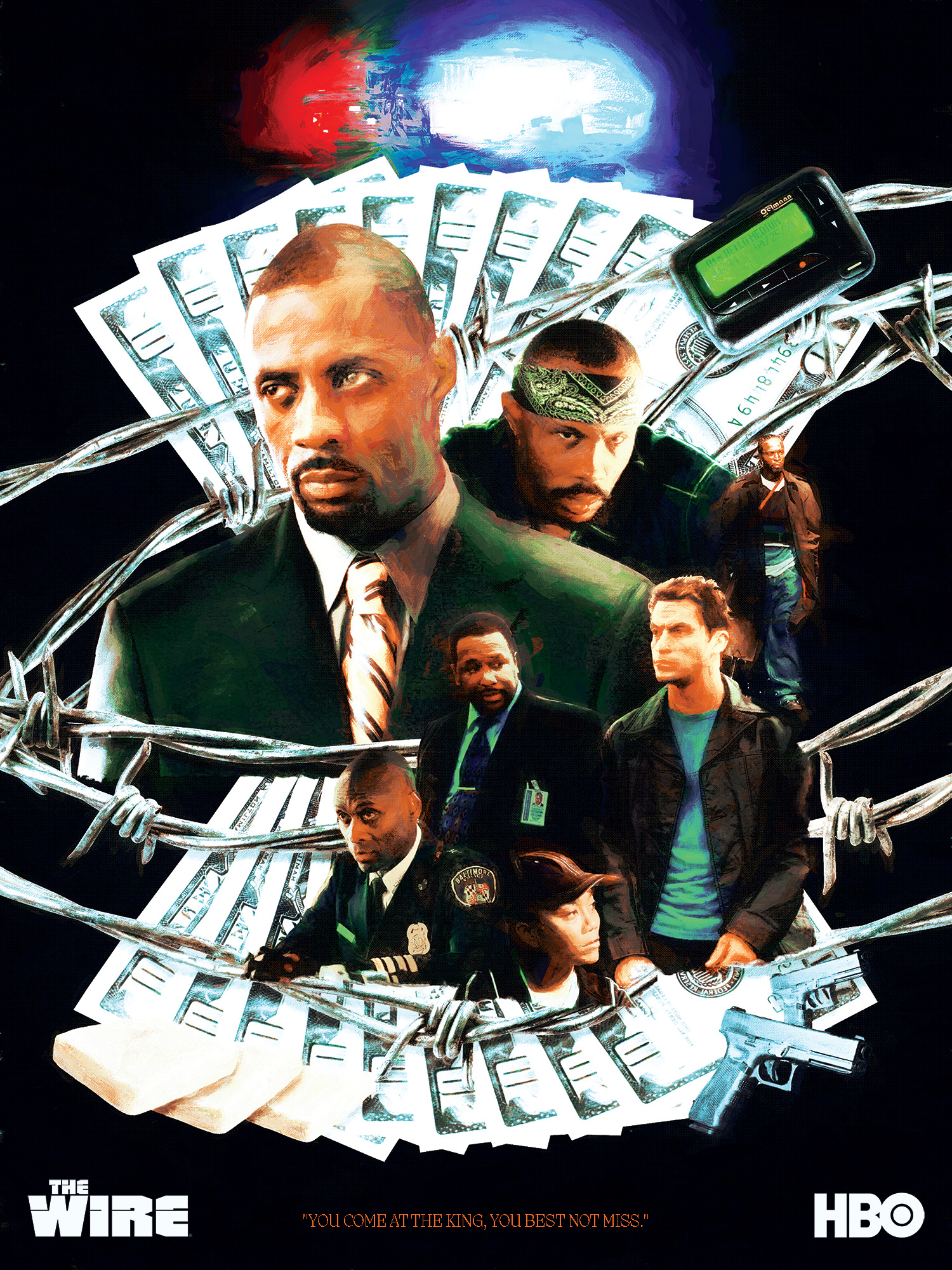
The impact of Williams’ death remains a significant point of reflection for the entertainment industry. His legacy is defined not only by his artistic contributions but by the vulnerability he shared regarding his own recovery journey. As the legal case is now closed, the focus has shifted to the preservation of his work and the ongoing efforts of the foundation established in his name to support community programs in Brooklyn. Readers seeking further information on the legal outcomes or the official medical reports can find documentation through the Department of Justice archives or by contacting the New York City public records office.
As this case is now legally concluded with final sentencings, no further hearings are scheduled. Please share your thoughts in the comments below or join the conversation on our social media platforms.
Keep reading