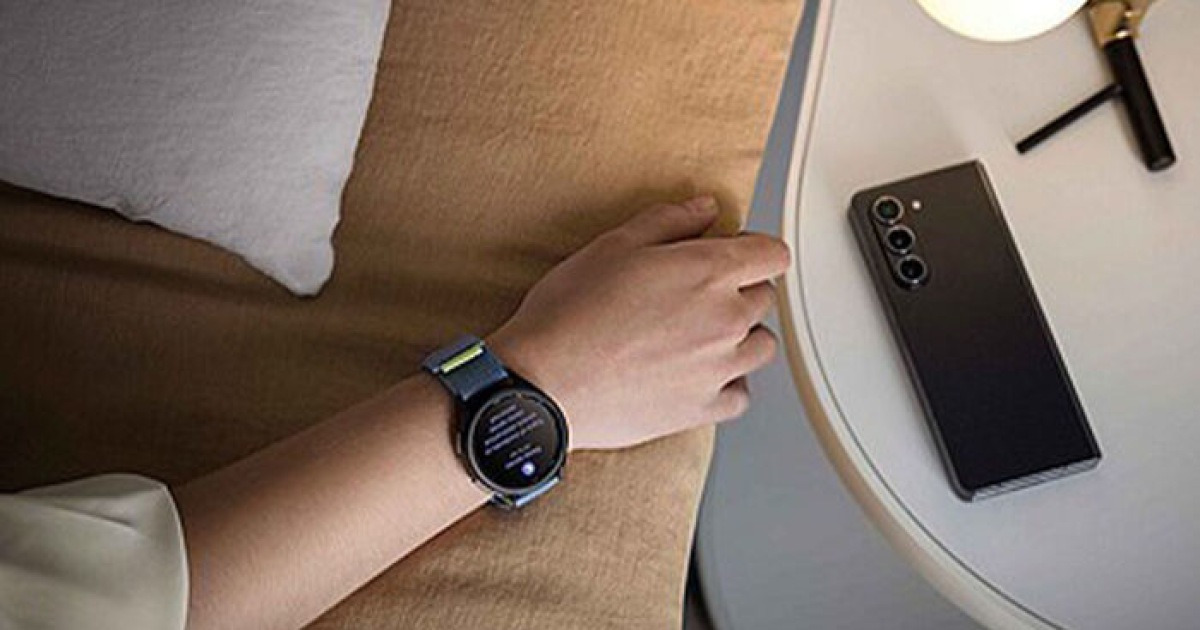
Recent analysis of sleep data from approximately 270,000 individuals suggests that the traditional medical recommendation of a rigid eight-hour sleep window may not be the universal gold standard for optimal health. Findings indicate that sleep duration requirements are highly individualized, with significant variations in health outcomes observed across different age groups and lifestyle profiles. This research underscores a shift toward prioritizing sleep quality and consistency over meeting a specific, static hourly target.
As a physician and health journalist, I have observed that the “eight-hour rule” has long served as a convenient shorthand for public health guidance. However, modern clinical data—including large-scale studies utilizing wearable technology—demonstrates that the relationship between sleep duration and mortality or chronic disease risk is often U-shaped. This means that both chronic undersleeping and consistent oversleeping can be associated with adverse health markers, according to data from the National Sleep Foundation.
The Evolution of Sleep Metrics
The reliance on consumer-grade wearable devices to track sleep cycles has provided researchers with unprecedented access to real-world data. Recent studies have aimed to validate these devices against the gold standard for sleep diagnostics: polysomnography (PSG). While clinical-grade PSG remains the definitive tool for diagnosing sleep disorders in hospital settings, wearable sensors have shown increasing efficacy in tracking sleep architecture, such as light, deep, and REM sleep stages, according to evaluations published in journals like npj Digital Medicine.
The transition from laboratory-based sleep studies to longitudinal, home-based data collection allows for a more nuanced understanding of how daily activities, stress, and physical health influence rest. Instead of aiming for a fixed eight-hour block, clinicians now emphasize the importance of sleep efficiency—the ratio of time spent asleep to the total time spent in bed. A high sleep efficiency score, typically above 85 percent, is often a more reliable indicator of restorative rest than a simple count of total hours, as noted by the Centers for Disease Control and Prevention (CDC).
Why Individualized Sleep Matters
Biological age plays a critical role in determining necessary sleep duration. While infants and adolescents require significantly more rest for cognitive and physical development, the requirements for healthy adults generally range between seven and nine hours. For older adults, the architecture of sleep often changes, resulting in more frequent awakenings and shorter durations of deep sleep, which is a normal aspect of the aging process rather than necessarily a pathological condition.
Beyond the hour count, the timing of sleep—aligned with the body’s circadian rhythm—is essential. Disruption of this internal clock, often seen in shift workers or those with irregular social schedules, has been linked to metabolic issues, including insulin resistance and cardiovascular strain. The focus for patients should remain on maintaining a consistent wake-up time and creating a sleep environment that minimizes disturbances, rather than fixating on a specific number on a digital clock.
Clinical Perspectives on Wearable Technology
While wearables offer valuable insights, they should not replace professional medical consultation for those experiencing chronic sleep disturbances, such as insomnia or sleep apnea. Wearable data can serve as a starting point for a conversation with a primary care physician, providing a longitudinal record of sleep patterns that might otherwise be forgotten during a clinical visit. However, it is important to distinguish between data tracking and medical diagnosis.
For individuals concerned about their sleep quality, the most effective approach remains a combination of good sleep hygiene and professional assessment if symptoms persist. Key strategies include limiting caffeine and alcohol intake in the hours before bed, maintaining a cool, dark sleeping environment, and seeking evaluation if daytime fatigue interferes with daily functioning, as recommended by the Mayo Clinic.

As research continues to refine our understanding of sleep, the focus will likely shift further toward personalized health metrics. Future studies are expected to integrate genetic markers and real-time physiological data to provide even more precise recommendations. For now, the evidence suggests that listening to the body’s natural cues—and prioritizing consistency over rigid adherence to the eight-hour myth—is the most sound approach to long-term health.
Readers are encouraged to consult with their healthcare providers regarding any significant changes in their sleep patterns. For further updates on sleep science and public health policy, monitor the latest reports from the World Health Organization. Please share your experiences with sleep tracking technology in the comments below.
- Mystery of Square Holes in Medieval Skulls Solved by Motion-Capture Tech
- How Epilepsy Disrupts Sleep-Based Memory Consolidation: New Brain Research
- Samsung Galaxy S27 Ultra Camera Leaks: New 200MP Sensor vs. Missing Features (newsdirectory3.com)
- UMMC Receives $2.4 Million Federal Grant to Modernize Cancer Research Space (archynewsy.com)