
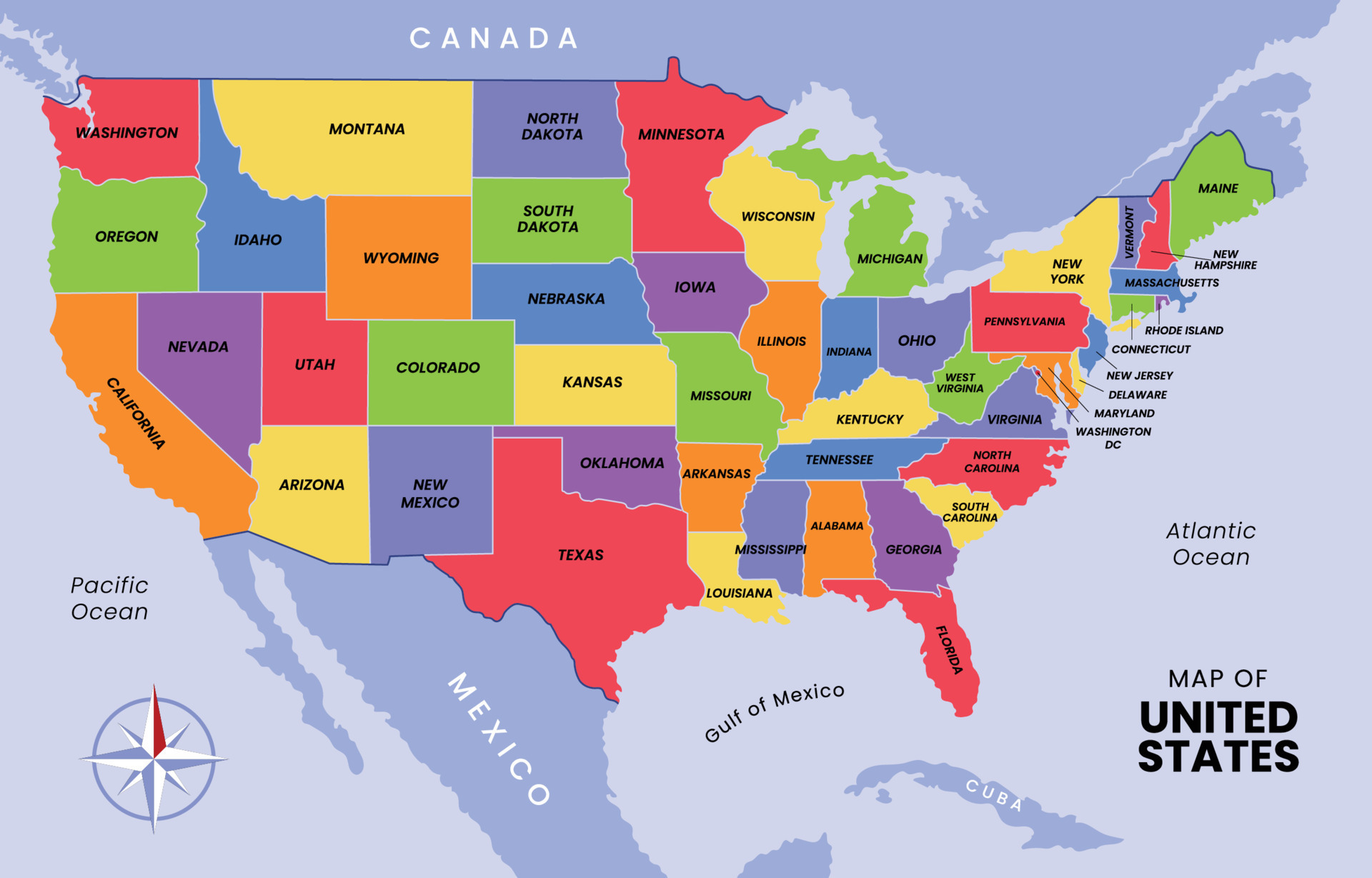
State legislatures across the United States are increasingly targeting pharmacy benefit managers (PBMs)—the intermediaries that manage prescription drug coverage for health insurers—in an effort to lower rising medication costs for consumers. Lawmakers in various states are advancing regulations to increase transparency and curb practices that critics argue inflate the prices patients pay at the pharmacy counter. These efforts represent a growing legislative trend to shift oversight onto the companies that negotiate rebates with drug manufacturers and determine which medications are covered under insurance plans.
According to the National Academy for State Health Policy, dozens of states have enacted or proposed legislation aimed at regulating PBM business practices since 2022. These policies often focus on “spread pricing,” a practice where PBMs charge health plans more for a drug than they pay the pharmacy, keeping the difference as profit. By requiring PBMs to disclose financial data and restricting certain reimbursement models, state officials aim to reduce the administrative costs that contribute to the final price of prescription medicines.
The Role of Pharmacy Benefit Managers in Drug Pricing
Pharmacy benefit managers serve as the middlemen between drug manufacturers, insurance companies, and pharmacies. Their primary functions include developing formularies—the lists of drugs covered by insurance—and negotiating rebates with manufacturers. While PBMs argue that these negotiations lower costs for insurers and employers, state regulators and some healthcare advocates contend that the lack of transparency in these transactions obscures the true cost of drugs.
A report from the Federal Trade Commission (FTC) in 2024 highlighted concerns that the concentration of market power among the three largest PBMs—CVS Caremark, Express Scripts, and OptumRx—may negatively impact competition and patient access. The FTC noted that these companies control approximately 80% of the prescription drug claims processed in the United States. Consequently, state-level scrutiny often focuses on how these entities influence pharmacy networks and patient out-of-pocket costs.
State Legislative Actions and Regulatory Hurdles
Legislative efforts to rein in PBMs have faced significant legal challenges from industry trade groups. In 2020, the U.S. Supreme Court ruled in Rutledge v. Pharmaceutical Care Management Association that states have the authority to regulate PBMs, specifically regarding their reimbursement rates to pharmacies. This decision has served as a legal foundation for states seeking to implement more stringent oversight, though industry groups continue to challenge specific provisions in lower courts.

In states like Ohio and Arkansas, regulators have implemented rules that cap the fees PBMs can charge and mandate that they pass 100% of the rebates they receive from manufacturers back to the health plans. These measures are designed to ensure that the savings negotiated by PBMs are actually reflected in lower premiums or lower drug costs for the consumer. However, the Pharmaceutical Care Management Association (PCMA), which represents PBMs, has consistently argued that such regulations could inadvertently increase costs by disrupting established supply chain efficiencies.
Impact on Consumers and Healthcare Access
For the average consumer, the primary impact of these regulations is expected to be felt at the point of sale. When PBMs are required to pass through rebates or are prohibited from using spread pricing, health plans may see a reduction in the net cost of drugs. According to the Kaiser Family Foundation, rising prescription drug costs remain a top concern for voters, prompting bipartisan support for PBM reform in many state houses.
Despite these efforts, the complexity of the pharmaceutical supply chain means that change is often incremental. Many state laws only apply to state-regulated insurance plans, leaving a large portion of the market governed by federal rules under the Employee Retirement Income Security Act (ERISA). This jurisdictional split creates a fragmented landscape where regulations that benefit some patients may not apply to those covered by self-funded employer plans.
Future Outlook and Upcoming Policy Developments
The regulatory environment for PBMs remains dynamic as states prepare for the next legislative sessions. In addition to state-level activity, the U.S. Congress continues to debate federal reforms that would mirror many of the transparency requirements already being tested by individual states. These federal proposals often focus on banning spread pricing in government programs like Medicare and Medicaid.

The next major checkpoint for these regulations involves pending litigation in multiple district courts, where the scope of state authority over ERISA-governed plans continues to be tested. Stakeholders, including patient advocacy groups and pharmacy associations, are expected to provide testimony in upcoming state legislative hearings to discuss the efficacy of existing transparency laws. Readers interested in tracking specific state-level filings or pending legislation can monitor the official databases managed by their respective state departments of insurance or health and human services.
We invite you to share your thoughts on how these changes might impact your local pharmacy or insurance premiums in the comments section below. Stay tuned for further updates as legal and legislative developments unfold in the coming months.
Worth a look