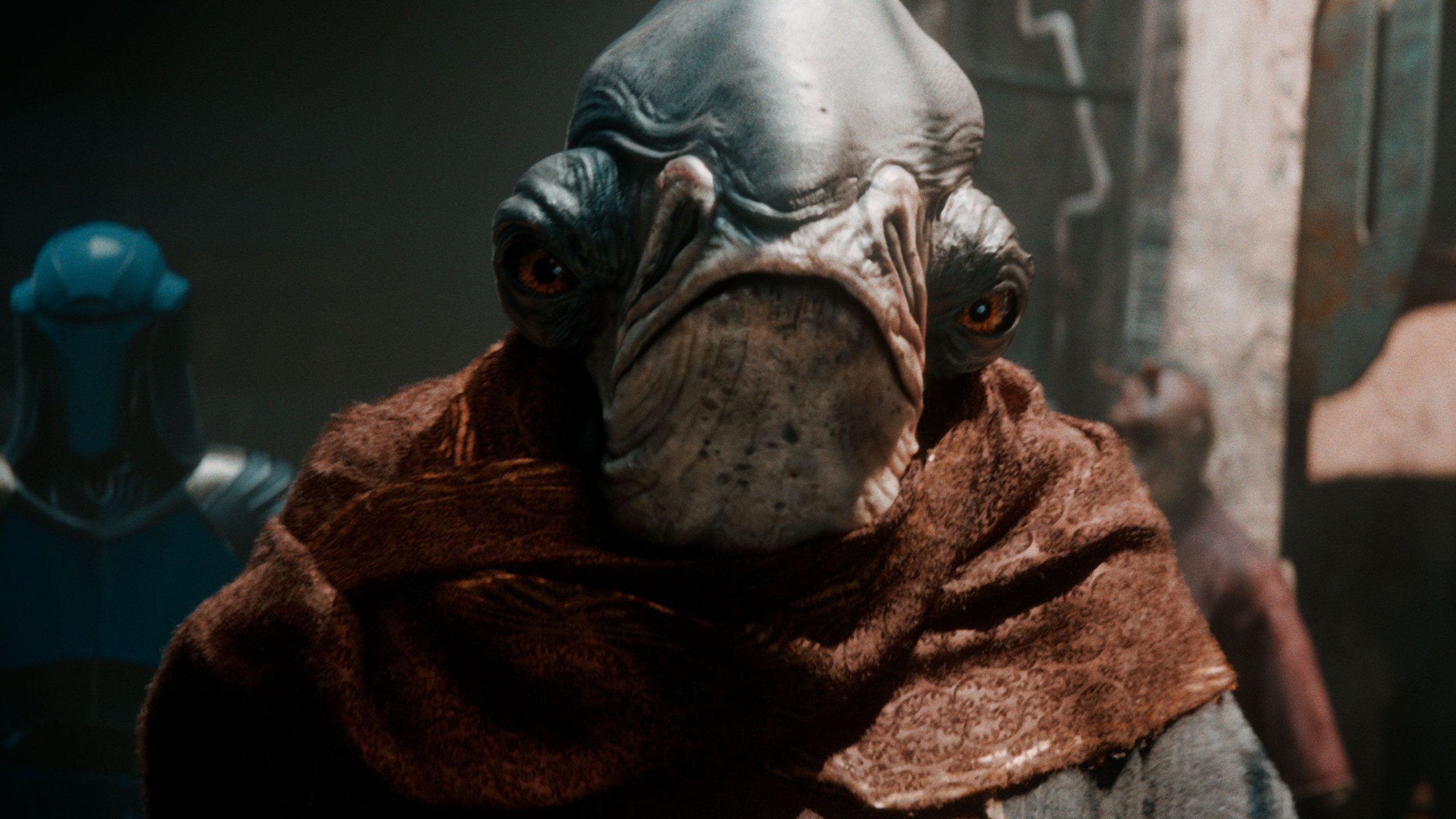
Quantic Dream employees are striking to prevent the layoff of 115 staff members, claiming the personnel are essential to complete the development of Star Wars: Eclipse. Developers allege the studio is severely understaffed following the cancellation of the live-service project Spellcaster Chronicles, with internal tensions rising over budget decisions made by parent company NetEase.
The labor dispute comes as the studio struggles to maintain the workforce necessary for its project. Employees staged a protest during a visit to the studio by representatives from LucasFilm. The workers claim that removing the 115 employees previously assigned to the canceled MOBA project would jeopardize the viability of the Star Wars title.
Quantic Dream has kept details regarding Star Wars: Eclipse sparse since its cinematic reveal in 2021. While studio founder and CEO David Cage stated in a blog post last year that development continues and the team is eager to share more, the current internal unrest suggests a gap between executive ambition and available resources.
Why are Quantic Dream developers striking?
The current strike is a direct response to the decision to terminate development on Spellcaster Chronicles, a live-service game that was canceled in May. Following the project’s end, 115 employees were placed in line for layoffs. Studio staff argue that these workers should be transitioned to Star Wars: Eclipse rather than dismissed.

A developer identified as Jules stated that the action is not an attempt to sabotage the project, but rather an effort to save it. According to Jules, the addition of these 115 people is what the project requires to reach completion and would not result in the studio being overstaffed. The developer noted that many companies in the sector are understaffed because management relies on “passion” to drive employees through “crunch time”—the industry term for extended, often unpaid overtime—to meet deadlines.
The employees maintain that relying on crunch is an unsustainable model for the gaming industry. They argue that the scale of Star Wars: Eclipse requires a stable, full-sized team to avoid burnout and ensure the game’s quality.
The role of NetEase in staffing disputes
Corporate friction has intensified since NetEase acquired Quantic Dream in 2022. Employees claim a disconnect exists between the studio’s local management and the parent company’s financial directives. According to a staff member identified as Théo, Quantic Dream’s management has frequently attributed budget constraints and staffing decisions to NetEase.

Théo stated that employees have requested that NetEase representatives join the negotiating table to resolve the staffing crisis, but claim that Quantic Dream’s management has prevented these direct talks. The employees argue that if budget decisions are indeed being made by the parent company, NetEase must be part of the conversation to find a resolution.
Internal claims suggest a strategic disagreement regarding the studio’s direction. Employees allege that NetEase made the final call to end Spellcaster Chronicles, while Quantic Dream’s own management thought it was a good idea to continue throwing time and money down the live-service hole.
What is the status of Star Wars: Eclipse?
Star Wars: Eclipse was revealed with a cinematic trailer in 2021. David Cage has described the project as “particularly ambitious.” Théo noted that if the project is as ambitious as Cage claims, the studio must be provided with the actual means and manpower to achieve those goals.
The decision by employees to strike specifically during a LucasFilm visit was intended to signal to the license holder that the development team is currently insufficient to meet the project’s demands.
What happens next for the studio?
The initial protest is the first step in a series of protests planned to run until some time near September under the umbrella of the “Summer Strike Fest” with the aim of making management aware that Star Wars: Eclipse can’t be completed without the additional staff who were working on Spellcasters Chronicles. The goal of these actions is to force management to reconsider the layoffs and reallocate the 115 staff members to the Star Wars project.

The outcome of these strikes will likely determine the timeline for Star Wars: Eclipse. If the layoffs proceed, the remaining team may face increased workloads. If the workers successfully negotiate the retention of the staff, the studio may be able to accelerate development.
The next major checkpoint for the studio will be the conclusion of the “Summer Strike Fest” in September, at which point it remains to be seen if NetEase or Quantic Dream management will offer a formal compromise on staffing levels.
Do you think the move toward single-player games is the right path for studios like Quantic Dream? Share your thoughts in the comments below.
Keep reading