
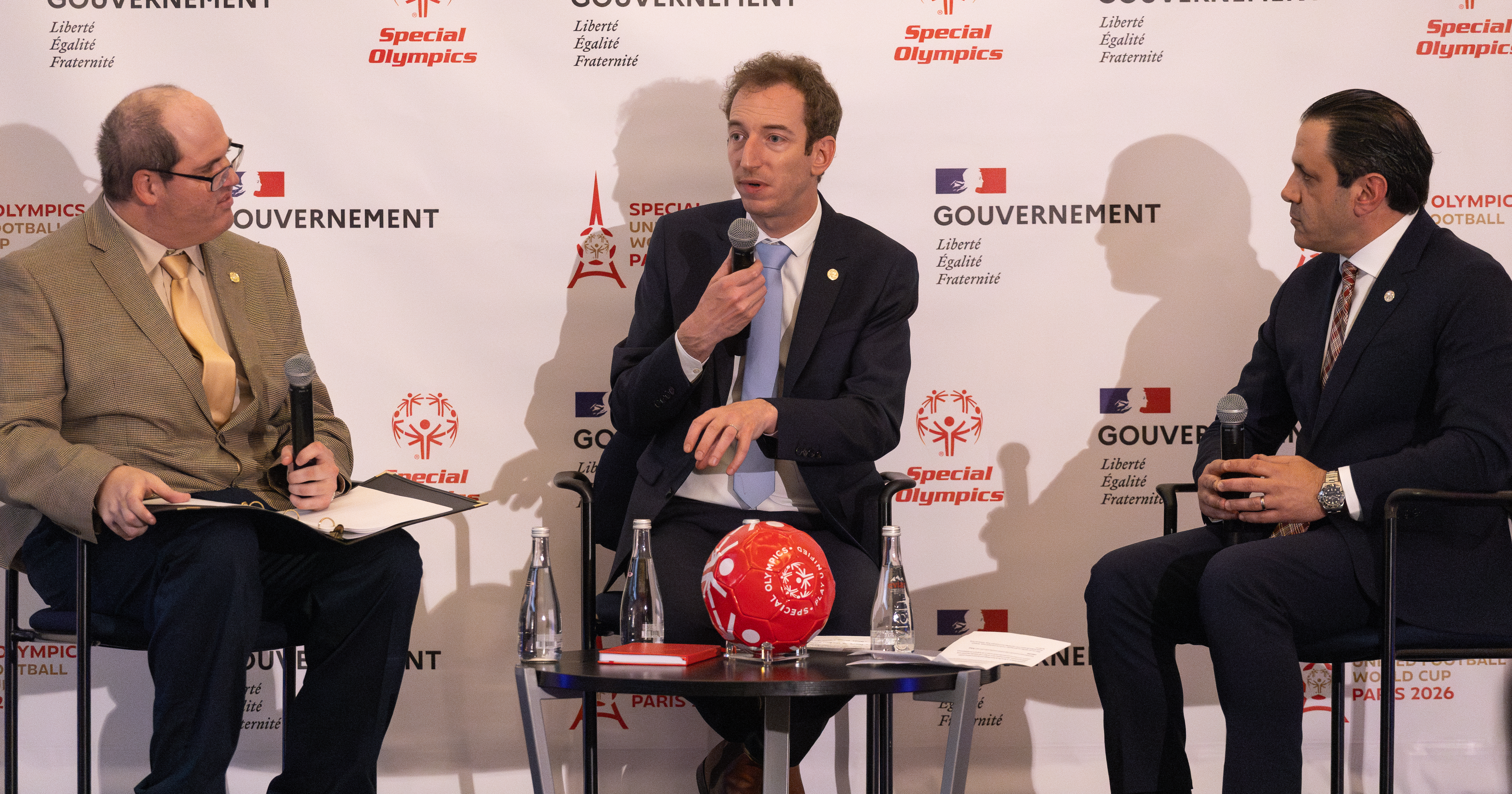
Special Olympics International and the Embassy of France in Washington, D.C., recently hosted a collaborative event focused on promoting social inclusion through the power of sports. The initiative, titled “Partners in Diplomacy: Promoting Inclusion Through Sport,” highlights the growing intersection between global athletic programs and international policy efforts aimed at dismantling barriers for individuals with intellectual disabilities.
According to the Special Olympics, the organization currently serves over 6.7 million athletes across more than 190 countries, utilizing sports to foster community integration and challenge societal perceptions. The Washington event served as a platform to discuss how diplomatic channels can amplify these efforts, ensuring that inclusive policies are prioritized on the global stage. By aligning with diplomatic missions, the organization seeks to convert athletic visibility into tangible legislative and social progress.
The Strategic Role of Sports in International Diplomacy
Sports diplomacy has increasingly become a tool for soft power, allowing nations to communicate shared values and humanitarian goals. The collaboration between the French Embassy and the Special Olympics is part of a broader trend where non-governmental organizations (NGOs) work directly with state actors to promote human rights. The U.S. Department of State recognizes sports as a mechanism to build networks and promote mutual understanding, often funding exchange programs that highlight the abilities of marginalized groups.
For the Special Olympics, these partnerships are essential for securing the infrastructure necessary to host international games and local training programs. By engaging with foreign ministries, the organization gains access to diplomatic forums where they can advocate for the United Nations Convention on the Rights of Persons with Disabilities. This legal framework, which has been ratified by 186 parties, serves as the primary benchmark for the global commitment to protecting the rights and dignity of persons with disabilities.
Addressing Barriers to Global Inclusion
Despite significant progress, individuals with intellectual disabilities continue to face systemic exclusion in education, employment, and healthcare. The discussions held in Washington emphasized that sports act as a “gateway” to broader social inclusion. When athletes with intellectual disabilities are featured in international competitions, it challenges the medicalized view of disability and replaces it with a model focused on human potential and community contribution.

Data from the World Health Organization (WHO) indicates that over 1.3 billion people—or approximately 16% of the global population—experience significant disability. The WHO notes that these individuals face higher risks of poor health outcomes and limited access to essential services. Through strategic partnerships with embassies, the Special Olympics aims to influence government policies to improve health equity, ensuring that athletes have access to the same quality of care as the general public.
Future Objectives and Policy Integration
The path forward for the Special Olympics involves deepening its integration into official development agendas. This includes working with the French government in the lead-up to and aftermath of major international sporting events, such as the Paris 2024 Olympic and Paralympic Games, to ensure that the legacy of these events includes lasting support for inclusive sports infrastructure. The emphasis is shifting from short-term awareness campaigns to long-term policy mandates that require schools and municipal governments to provide equitable access to athletic facilities.

Diplomatic events like the one held in Washington provide the necessary visibility to keep these issues on the agendas of policymakers. As international bodies continue to evaluate their progress toward the UN Sustainable Development Goals, the role of inclusive sports remains a critical indicator of a society’s commitment to equality. The next major update regarding these partnerships is expected during the upcoming Special Olympics World Games, where leadership will report on new international agreements aimed at expanding program reach in underserved regions.
The work of the Special Olympics and its diplomatic partners continues to evolve, reflecting a shift toward institutionalized inclusion. We invite our readers to share their thoughts on the role of sports in public policy in the comments section below.