The Korean Medical Association (KMA) and representative groups for clinic-level physicians have officially declared a breakdown in negotiations regarding the 2025 medical fee schedule. Park Geun-tae publicly rejected the National Health Insurance Service’s (NHIS) proposal of a 1.6% increase, describing the figure as a value that cannot be accepted, noting that the government claims it will save essential and primary care while failing to do so.
Negotiations between the medical community and the NHIS, which serves as the primary insurer under South Korea’s national health insurance system, reached a stalemate after providers argued that the proposed rate failed to reflect the economic reality of inflation and increased labor costs. According to the National Health Insurance Service, the annual contract process—known as the “soosga” negotiation—is intended to determine the unit price for medical services, which serves as the basis for healthcare reimbursement rates nationwide.
The Conflict Over the 1.6% Fee Increase
The 1.6% increase proposed by the NHIS has been characterized by physician groups as insufficient to maintain the viability of primary care, particularly for smaller, clinic-level practices. Park Geun-tae stated that the proposed 1.6% figure is unprecedented and that the government emphasizes the importance of strengthening essential and primary healthcare, yet fails to do so.

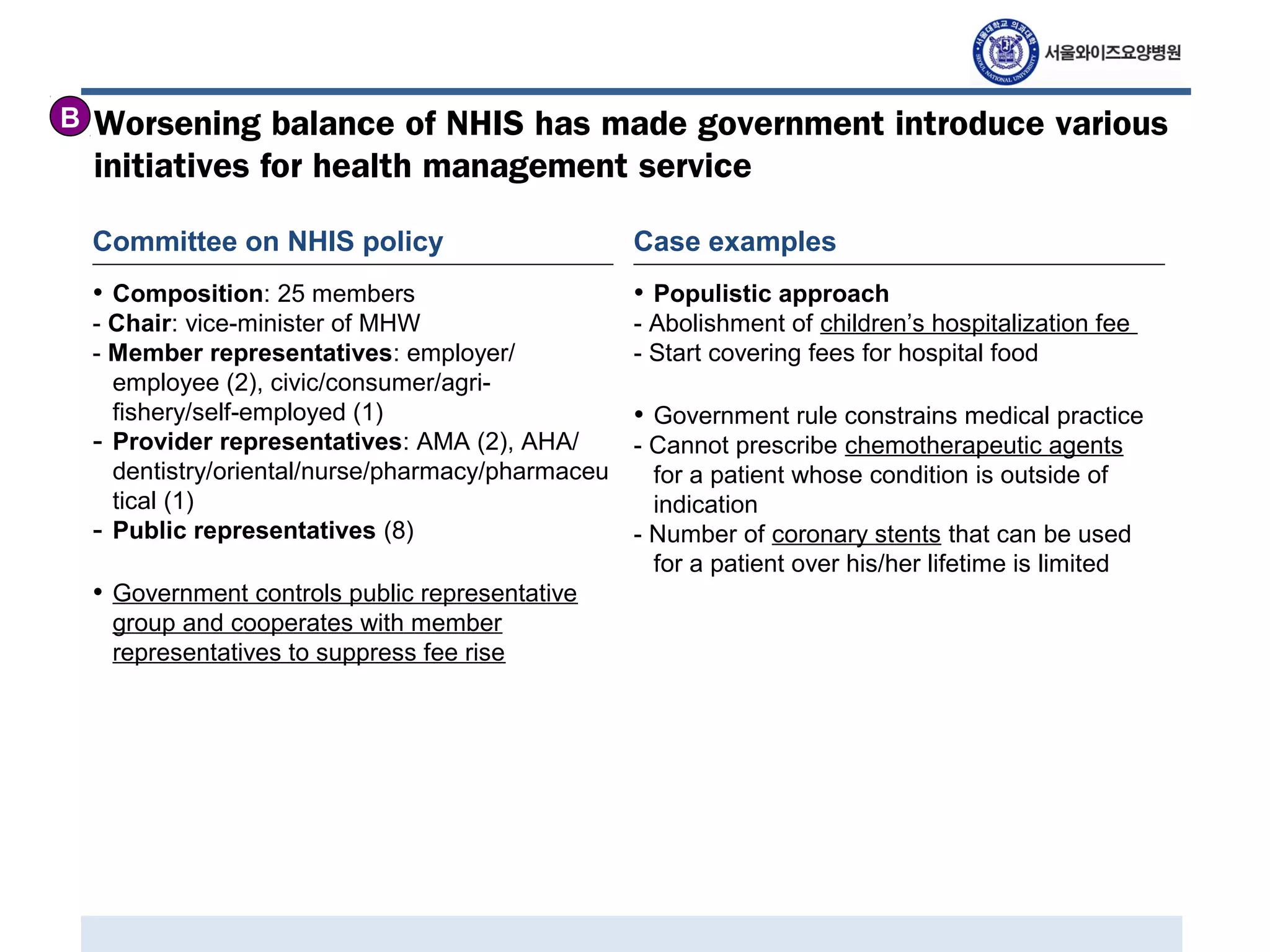
The Ministry of Health and Welfare oversees the broader regulatory framework, but the specific contract rates are subject to annual bargaining rounds. When these negotiations fail to reach a consensus, the figures are typically referred to the Health Insurance Policy Deliberation Committee for a final decision.
Impact on Primary Healthcare Providers
Primary care clinics in South Korea have reported increasing pressure due to fluctuating patient volumes and rising overhead costs, including wages and medical equipment maintenance. Physicians argue that a 1.6% adjustment does not keep pace with the consumer price index or the rising costs of medical supplies. This tension highlights a long-standing debate within the Korean medical system regarding the balance between health insurance sustainability and the financial health of private medical practices.
The Korean Medical Association has consistently advocated for a more realistic assessment of medical costs, arguing that without adequate reimbursement, the quality of care and the accessibility of local clinics could be compromised. The frustration expressed by representative groups like the Korean Medical Practitioners Association underscores a broader dissatisfaction with the current negotiation process, which many doctors feel does not adequately represent their operational challenges.
What Happens Following the Negotiation Breakdown
With the breakdown of negotiations, the responsibility for setting the 2025 fee schedule now shifts to the Health Insurance Policy Deliberation Committee. This committee, which includes representatives from the government, the medical community, and public interest groups, is tasked with finalizing the rates when direct negotiations fail. There is no set timeline for when the committee will issue its final decision, but the process is expected to continue throughout the coming months.
The outcome of these deliberations will determine the reimbursement rates for thousands of primary care clinics across the country. As the situation develops, physicians and healthcare administrators are monitoring the committee’s proceedings for any adjustments to the initially proposed 1.6% increase. Stakeholders are encouraged to monitor official updates through the Ministry of Health and Welfare’s portal for any announcements regarding the final fee schedule and its implementation date.
Related reading