Carbon Dioxide Levels Surge to Record highs: A Deep Dive into the Accelerating Climate Crisis
are you concerned about the escalating impacts of climate change? The latest data paints a stark picture: atmospheric carbon dioxide (CO2) levels are not just rising, they’re accelerating at an alarming rate. Understanding the implications of this surge – and what’s driving it – is crucial for informed action. This article provides a comprehensive analysis of the recent CO2 spike, its causes, consequences, and what steps are being taken to monitor and mitigate this critical threat. We’ll explore the science, the latest research, and practical insights into navigating this evolving climate landscape.
the unprecedented Rise in Atmospheric CO2
The World Meteorological Organization’s (WMO) most recent Greenhouse Gas Bulletin reveals a disturbing trend: the growth rate of CO2 has tripled since the 1960s. What was onc an average annual increase of 0.8 parts per million (ppm) has surged to 2.4 ppm per year between 2011 and 2020. Though, the most recent data is even more concerning. Between 2023 and 2024, we witnessed a record jump of 3.5 ppm – the largest increase observed since monitoring began in 1957.
This brings the average CO2 concentration to 423.9 ppm in 2024, a notable leap from the 377.1 ppm recorded when the bulletin was first published in 2004. To put this into perspective, pre-industrial levels (before 1750) hovered around 280 ppm. We’ve now surpassed a level of CO2 concentration not seen in millions of years.
Why is CO2 Increasing So Rapidly? Unpacking the Drivers
The primary driver of this increase remains consistent: continued human emissions from activities like burning fossil fuels (coal, oil, and natural gas) for energy, deforestation, and industrial processes. However, the acceleration isn’t solely due to more emissions; it’s also due to a weakening ability of natural “sinks” – land and oceans – to absorb CO2.
Hear’s a breakdown of the key factors:
* Human Emissions: Despite growing awareness and commitments to reduce emissions, global CO2 emissions continue to rise, driven by economic growth and energy demands, especially in developing nations. The International Energy Agency (IEA) reported in October 2024 that global CO2 emissions from energy combustion reached a new record high in 2023. https://www.iea.org/reports/global-co2-emissions-2023
* Weakening carbon Sinks: Approximately half of the CO2 emitted is absorbed by land ecosystems (forests, soil) and the ocean. However, this absorption capacity is diminishing.
* Ocean Warming: As ocean temperatures rise, their ability to dissolve CO2 decreases. Warmer water holds less gas.
* Deforestation & Land Use Change: The destruction of forests reduces the planet’s capacity to absorb CO2 through photosynthesis.
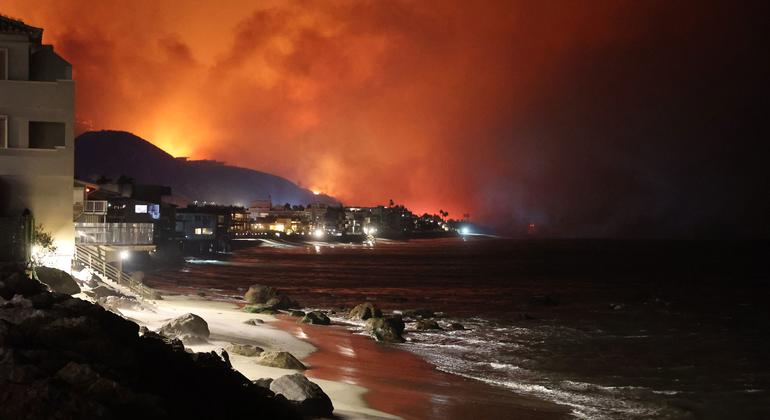
* Increased Wildfires: Massive wildfires, increasingly frequent due to climate change, release stored carbon back into the atmosphere and destroy vital carbon sinks. The 2023-2024 wildfire season was particularly devastating, contributing considerably to the CO2 spike.
* El Niño Effect: The strong El Niño weather pattern in 2024 exacerbated the situation. El Niño typically leads to reduced CO2 uptake by land and ocean in certain regions.
Oksana Tarasova,WMO senior scientific officer,emphasizes the concern: “There is concern that terrestrial and ocean CO2 sinks are becoming less effective,which will increase the amount of CO2 that stays in the atmosphere,thereby accelerating global warming.Sustained and strengthened greenhouse gas monitoring is critical to understanding thes loops.”
Beyond CO2: Methane and Nitrous Oxide - The Other greenhouse Gas Concerns
While CO2 receives the most attention, it’s crucial to remember that other greenhouse gases also contribute significantly to global warming. The WMO bulletin also reported record highs for methane (CH4) and nitrous oxide (N2O).
* Methane: Levels reached 1,942 parts per billion (ppb), a staggering 166% above pre-industrial levels. Methane is a potent greenhouse gas, with a much higher warming potential than CO2 over a shorter timeframe.