Uganda’s UPDF Issues Stark Warning Amidst Rising Pre-Election Tensions
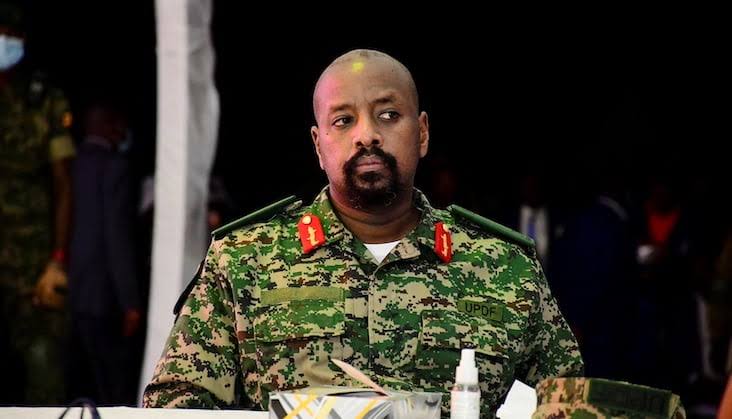
Kampala, uganda – December 27, 2025 - As Uganda gears up for the 2026 general elections, the Uganda People’s Defense Forces (UPDF) has delivered a forceful message regarding escalating rhetoric that threatens to destabilize the nation. In a December 4th press statement, Colonel Chris Magezi, Acting Director of Defence Public Details, condemned what the UPDF views as increasingly inflammatory language, specifically referencing calls from the National Unity platform (NUP) and its presidential candidate, Robert Kyagulanyi, commonly known as Bobi Wine.
the core of the UPDF’s concern centers on directives reportedly issued to NUP supporters, urging them to converge on polling stations en masse on Election Day and subsequently march towards Kampala. This call to action, framed as a exhibition of overwhelming numbers intended to intimidate security forces, has been deemed “hazardous” and “unfortunate” by the military. Colonel Magezi explicitly called for an immediate cessation of such polarizing statements.
This isn’t simply a reaction to political posturing; it’s a calculated response rooted in a deep understanding of Uganda’s volatile history. The UPDF statement doesn’t shy away from asserting its capabilities, referencing its ongoing and successful operations against regional threats. These include sustained engagements with al-Shabaab in Somalia, the Allied democratic Forces (ADF) and CODECO in the Democratic republic of Congo, and the decades-long pursuit of Joseph Kony’s Lord’s Resistance Army (LRA) in the Central African Republic.The message is clear: the UPDF possesses the capacity to maintain order and will not hesitate to do so.
However, the UPDF’s response extends beyond a display of military strength.The statement strategically draws parallels to past instances of manipulative mobilization, specifically invoking the specter of Alice Lakwena’s Holy Spirit Movement from the 1980s. Lakwena,a charismatic leader,rallied a notable following based on spiritual claims,ultimately leading her followers into a devastating conflict. Similarly, the UPDF referenced figures like Kirumira Mutima from the Rwenzori region, accused of exploiting youth vulnerability for reckless and destructive ends. This past framing serves as a cautionary tale, highlighting the dangers of blindly following charismatic figures promising rapid solutions.
The UPDF’s appeal isn’t solely directed at the NUP. It’s a broader call for all political actors to adhere to electoral Commission guidelines and operate within the bounds of Ugandan law.The statement underscores the fragility of Uganda’s peace, built upon years of overcoming instability, and warns that undermining the credibility of the security forces directly jeopardizes this hard-won stability.
The timing of this warning is critical. The 2026 election cycle has already been marked by accusations of campaign disruption and allegations of excessive force used by security personnel against opposition gatherings. Human rights organizations have documented instances of arrests and violence, while the government defends its actions as necessary to maintain public order. This complex dynamic underscores the high stakes and the potential for escalation.
The UPDF’s statement represents a firm commitment to safeguarding Uganda’s stability. It’s a proactive measure designed to deter actions that could plunge the nation into a cycle of violence reminiscent of its troubled past. The message is unambiguous: while political competition is expected, any attempt to disrupt the electoral process or incite unrest will be met with a resolute response. The coming months will be crucial in determining whether Uganda can navigate this sensitive period peacefully and uphold its democratic principles.
Frequently Asked Questions: Understanding the UPDF’s Pre-Election Stance
1. What is the primary concern driving the UPDF’s warning regarding the 2026 elections?
The UPDF is primarily concerned about “incendiary and divisive language” – specifically calls for mass mobilization and potential confrontation with security forces – that could escalate into political violence during the election period.
2. Why did the UPDF specifically mention Robert Kyagulanyi (Bobi Wine) and the NUP in their statement?
The UPDF cited directives reportedly issued by the NUP, urging supporters to “mob” polling centers and march to Kampala, as examples of the concerning rhetoric they are addressing.
3. What historical parallels did the UPDF draw to emphasize the dangers of current political mobilization tactics?
The UPDF referenced Alice Lakwena’s holy Spirit Movement in the 1980s and figures like Kirumira Mutima from the Rwenzori region, highlighting how charismatic leaders have previously misled youth into destructive conflicts.
**4. Is the UPDF’