
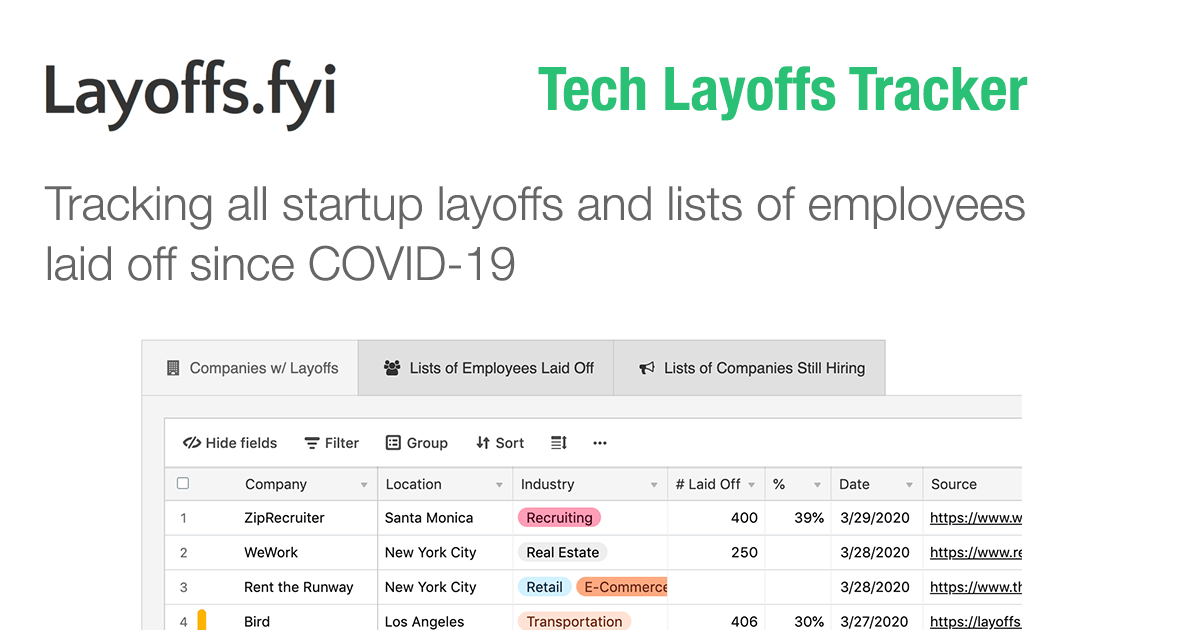
Major technology and retail corporations, including Meta, Robinhood, Walmart, and Oracle, have initiated significant workforce reductions in early 2026, a trend largely attributed to aggressive pivots toward artificial intelligence infrastructure and ongoing efforts to trim costs following previous periods of rapid hiring. According to data tracked by Layoffs.fyi, the technology sector continues to face instability as firms reallocate capital toward generative AI development, leading to structural shifts that prioritize automation over headcount growth.
The current cycle of job cuts reflects a broader industry transition. While the surge in hiring during the 2020-2022 period provided a buffer for many companies, the 2026 fiscal environment has forced leadership teams to justify high operational expenses by demonstrating direct returns on investment in machine learning and cloud computing. For employees, this shift means that even profitable companies are now viewing legacy departments as candidates for consolidation or elimination.
Drivers Behind the 2026 Tech Workforce Shifts
The primary driver for the current layoffs is the massive capital expenditure required to train and deploy large language models. As noted by the Reuters reporting on recent tech sector volatility, companies are increasingly prioritizing “AI-readiness,” which often involves replacing manual support roles with automated workflows. At Meta, these adjustments are part of a multi-year efficiency plan intended to streamline middle management and flatten organizational structures.
Similarly, Oracle and other enterprise software giants are shifting their engineering focus. According to recent U.S. Securities and Exchange Commission (SEC) filings, companies are re-skilling their existing workforce while simultaneously reducing positions in non-core operational areas. This strategy allows firms to maintain R&D budgets for AI while presenting a more disciplined fiscal profile to shareholders.
Company-Specific Impact and Operational Changes
The impact of these cuts varies by sector. Retail giant Walmart has utilized automation in its supply chain logistics for several years, but recent updates indicate a further reduction in administrative roles at regional offices to offset the costs of new AI-driven inventory management systems. This trend underscores a move toward “lean retail,” where technology is expected to handle tasks previously performed by human staff, as documented in the company’s recent corporate press releases.

Robinhood, which has faced a volatile trading environment, has cited the need to prioritize product development in new financial technologies. The company’s recent workforce adjustments follow a pattern of “strategic realignment,” where specific teams are dissolved to make room for specialized AI talent. These moves are consistent with broader market observations that high-growth tech firms are no longer prioritizing total headcount as a metric of success, but rather revenue-per-employee ratios.
The Relationship Between AI Investment and Job Security
Economists and industry analysts have pointed to the “AI-driven efficiency” narrative as a primary justification for these layoffs. However, the connection between AI investment and job losses remains a point of debate. While companies argue that automation improves long-term competitiveness, critics highlight the potential for human capital loss. According to the Bureau of Labor Statistics, the technology sector remains a focal point for labor market volatility, even as broader economic indicators suggest stability in other industries.
The current environment creates a unique challenge for software engineers and middle managers. As AI tools handle more coding and administrative tasks, the demand for “generalist” roles is shrinking, while the demand for specialized AI infrastructure and ethics compliance roles is rising. This creates a skills gap that current workforce development programs have yet to fully address.
What Happens Next for the Tech Labor Market
Industry observers expect the pace of layoffs to stabilize by the third quarter of 2026 as companies finish their current round of structural audits. The next major checkpoint for investors and employees will be the Q2 earnings calls, where firms are expected to provide more concrete data on the financial impact of their AI investments.
For those currently affected by these changes, professional organizations and state labor departments recommend monitoring CareerOneStop for resources on retraining and outplacement services. As the industry continues to evolve, the ability to pivot toward AI-integrated roles will likely determine the long-term job security of tech workers. We encourage our readers to share their experiences or observations on how these shifts are impacting their specific sectors in the comments section below.