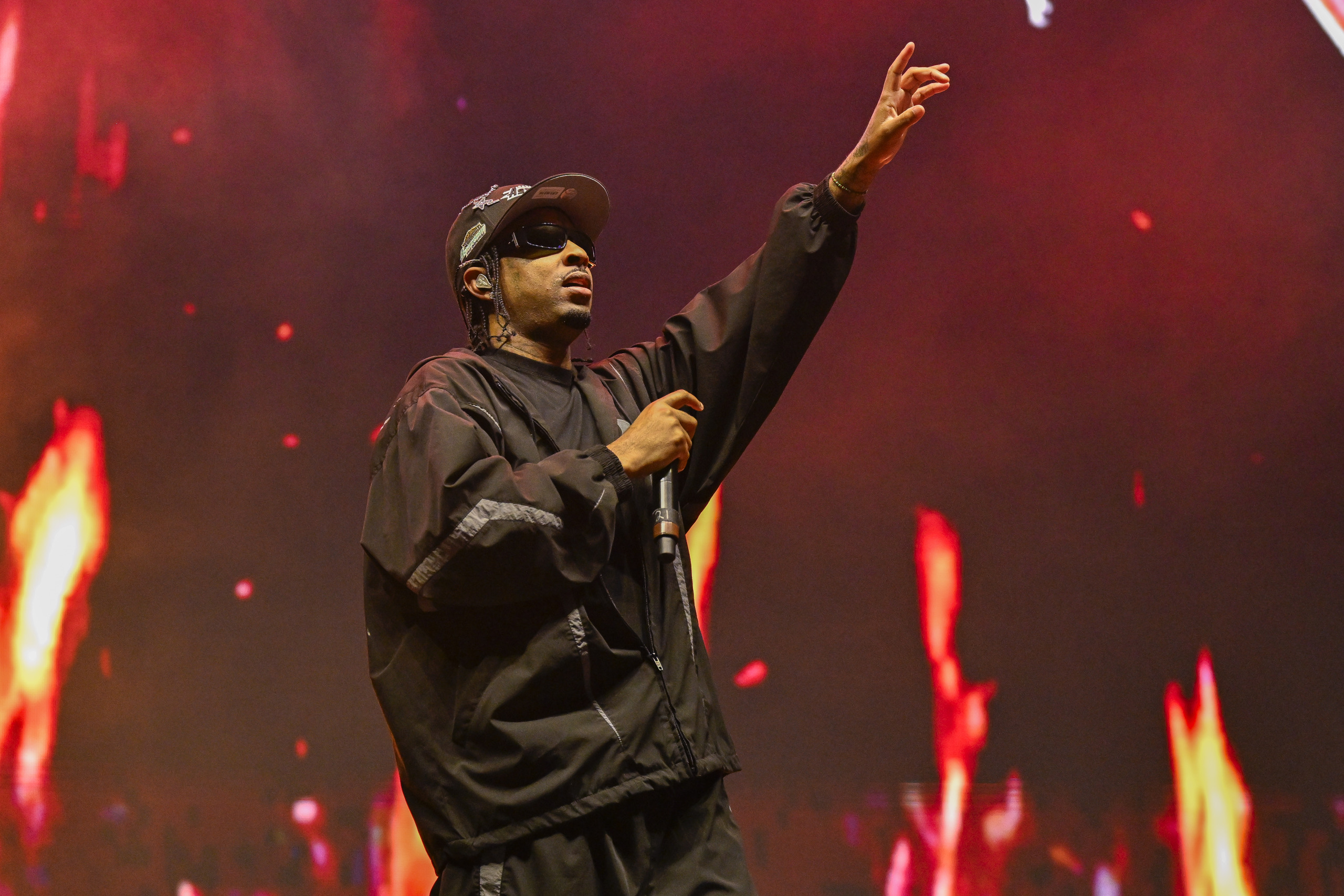
The shifting Landscape of Rap & Duty: Why 21 Savage‘s Message Matters
The recent debate sparked by 21 Savage’s declaration – “F–k the streets” – cuts to the heart of a complex issue within hip-hop culture. It’s a conversation fueled by the ongoing YSL RICO trial, tragic outcomes like Kay Flock’s 30-year sentence, and a growing awareness of the influence rap music wields, notably over young audiences. But is it hypocritical to rap about the streets while together advocating for leaving them behind? And what responsibility do artists have for the messages they amplify?
This isn’t simply a matter of artistic expression. It’s about real-world consequences, systemic issues, and the powerful role algorithms play in shaping perceptions. Let’s break down the core of this debate and why 21 Savage’s message, despite its blunt delivery, deserves serious consideration.
the Core of the Controversy: Hypocrisy or Evolution?
21 savage’s new album, what Happened to the Streets?, arrives alongside his stark rejection of the lifestyle it often depicts. He argues that the “streets” offer only trauma, a sentiment resonating wiht some while drawing criticism from peers like Boosie, who accused him of hypocrisy.
Boosie’s point is valid: rapping about lived experiences, even difficult ones, is a cornerstone of the genre. Though, the question isn’t whether artists can rap about the streets, but whether constantly glorifying them is ultimately constructive. Should artists continue to “double-dip,” as Boosie puts it, profiting from narratives that contribute to cycles of violence?
The Real Cost of “Street” Narratives
The romanticization of a dangerous lifestyle isn’t without devastating consequences. Consider these points:
* Real-life tragedies: Bronx drill rapper Kay Flock’s recent 30-year sentence is a stark reminder of the stakes. He’s just 22 years old.
* Fueling violence: While not all rap is violent, the constant exposure to narratives of gang activity and “miscreant behavior” can normalize and even encourage it.
* Legal ramifications: As highlighted by recent legislation in California, rap lyrics are increasingly scrutinized in criminal cases, blurring the lines between art and evidence.
* The role model effect: Whether artists embrace it or not, they are role models. Their influence on impressionable young minds is undeniable.
It’s easy to dismiss this as simply “parental responsibility,” but children are profoundly shaped by the media they consume.
the Algorithm’s Amplifying Effect
The problem isn’t just the content being created; it’s how that content is distributed. Algorithms, designed to maximize engagement, often prioritize emotionally charged and extreme content.
Here’s how it works:
- Initial Interest: You start with a single interest - perhaps a specific rapper or subgenre.
- Amplification: The algorithm than serves you increasingly intense and possibly harmful content related to that interest.
- Echo Chamber: this creates an echo chamber, reinforcing existing beliefs and potentially exposing you to dangerous ideologies.
Research from E-Safety shows this is particularly concerning for young boys, who are more likely to be exposed to violence and misogyny, and young girls, who are frequently enough targeted with unrealistic beauty standards.
A Call for Conscious Creation & Consumption
21 Savage’s message, while perhaps clumsily worded, isn’t about silencing artists. It’s about a shift in perspective. It’s about recognizing the power of your platform and the potential impact of your art.
Here’s what we can do:
* Artists: explore alternative themes. rap about success, resilience, personal growth, or even “fruits and college courses,” as Boosie suggested (albeit sarcastically).
* Listeners: be mindful of what you consume. Seek out diverse voices and challenge yourself to engage with music that promotes positive values.
* Platforms: Demand greater openness and accountability from social media companies regarding their algorithms.
Ultimately,this conversation isn’t about censorship.It’s about responsibility.