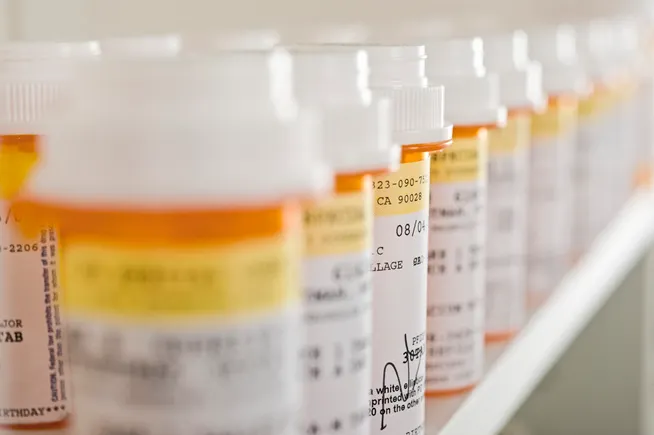
The 340B Programme: A Broken System Driving Up Healthcare Costs and Demanding Congressional Reform
The federal budget is under constant scrutiny, and rightfully so.Yet, a significant driver of escalating healthcare costs – and a growing contributor to the federal deficit – operates largely under the radar: the 340B Drug Pricing Program. As a former Director of the congressional Budget Office (CBO),I’ve witnessed firsthand how well-intentioned federal programs can spiral out of control when left unexamined. The 340B program, created in 1992 with a noble goal, is a prime example. It’s time for Congress to act decisively to restore its original purpose and deliver real savings for taxpayers.
A Program Distorted from its Core Mission
The original intent of 340B was straightforward: to enable safety-net hospitals and clinics to purchase prescription drugs at discounted rates, allowing them to stretch limited resources and provide affordable care to low-income and uninsured patients. Manufacturers are legally obligated to offer these discounts, creating a system designed to benefit those most in need.
However, the program has undergone a dramatic and concerning transformation. Today, 340B discounts aren’t necessarily translating into lower costs for patients. Instead, they’ve become a source of substantial revenue for hospitals, ofen at the expense of the federal budget. Drugs purchased at these discounted rates can now be sold to any outpatient – including those with commercial insurance – at full price.
The Alarming growth of 340B Spending
The numbers paint a stark picture. Recent CBO analysis reveals a staggering increase in 340B spending. It surged from $6.6 billion in 2010 to nearly $70 billion in 2023. Contrast this with the growth of brand-name drug spending across the broader market, which averaged a modest 4% annually during the same period. This disparity isn’t organic growth; it’s a symptom of systemic flaws. (See CBO analysis: https://www.cbo.gov/publication/60661 and further details: https://340breform.org/wp-content/uploads/2024/10/AIR340B-CBO-Memo.pdf).
Key Drivers of Unsustainable Growth
The CBO’s report identifies several key factors fueling this unsustainable growth:
* Hospital consolidation & “Child Sites“: The proliferation of off-site outpatient clinics - frequently enough referred to as “child sites” – has dramatically expanded the program’s reach. Between 2013 and 2021, the number of these sites exploded from approximately 6,100 to nearly 28,000.This allows large hospital systems to qualify for 340B discounts on prescriptions filled even for commercially insured patients in affluent areas.
* Contract Pharmacy Expansion: The use of contract pharmacies - retail drugstores dispensing 340B drugs – has skyrocketed. From 2010 to 2021, 340B purchases through these pharmacies grew at an average rate of 34% per year, now encompassing over 30,000 pharmacies – nearly 60% of all eligible pharmacies. Critically,the savings generated by these discounts frequently enough don’t reach patients at the point of sale; rather,hospitals capture the difference as profit.
* Perverse Incentives: Perhaps the most damaging aspect of the current system is its inherent misalignment of incentives. Hospitals are financially rewarded for prescribing higher-priced drugs becuase they can pocket the difference between the 340B discount and the insurer’s reimbursement. As the CBO bluntly states, this leads to “higher prices or an increased use of drugs and other health care services,” ultimately increasing costs for Medicare, Medicaid, private insurers, and taxpayers.
A Lack of Transparency and Accountability
Compounding these issues is a essential lack of transparency. There are no requirements for hospitals to:
* Pass savings on to patients.
* Reinvest the windfall profits in charity care.
* Clearly define who qualifies as a 340B patient.
* Provide meaningful reporting on how 340B funds are utilized.
A Path Forward: Restoring Integrity Through Legislative Action
Fortunately, a solution is within reach. There is