
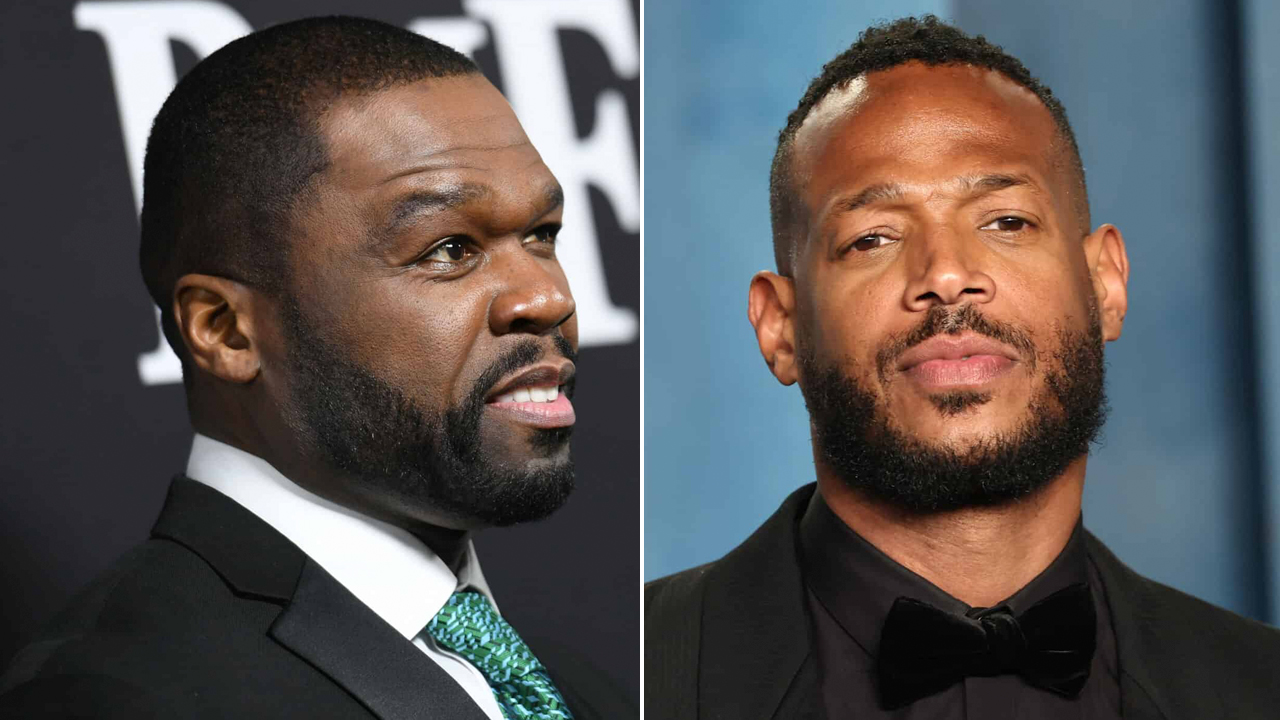
50 Cent and Marlon Wayans End Public Feud Following Diddy Docuseries Debate
The recent Netflix docuseries, Sean Combs: The Reckoning, sparked a public exchange between rapper 50 Cent and comedian marlon Wayans, but it appears the conflict has now concluded. This article details the origins of the dispute,the back-and-forth between the two personalities,and 50 Cent’s declaration of peace.
The Spark: Wayans’ Critique of “The Reckoning”
The tension began when Marlon Wayans discussed the four-part docuseries on Real 92.3’s The Cruz Show. He voiced concerns about 50 Cent’s commentary surrounding Sean “Diddy” Combs and the allegations of racketeering and sex trafficking that led to Combs’ conviction and 50-month prison sentence.
Wayans specifically suggested that 50 Cent was “kicking a man when he’s down” and cautioned about the potential for karmic repercussions. These comments quickly drew a response from the rapper.
Escalation: A Social Media Exchange
50 Cent didn’t hesitate to address Wayans’ critique, responding with a series of posts on Instagram. He mocked the comedian, initiating a back-and-forth exchange of jokes and jabs.
Notably, fellow rapper Ja Rule entered the fray, claiming to be 50 Cent’s “karma,” referencing their long-standing rivalry. This added another layer of complexity to the unfolding situation.
50 Cent Declares an End to the Beef
on Friday, 50 Cent signaled a desire to end the public dispute. he posted a video remixing scenes from the movie Friday, featuring Wayans’ face superimposed onto the character of Red and his own replacing the notorious Deebo.
“I’m not beefing with Marlon no more, he not funny,” 50 Cent wrote alongside the video. He further stated his belief that Wayans had genuinely taken offense, adding, “No more about him.”
Beyond the Feud: Concerns about the Docuseries’ Narrative
During the same Cruz Show interview, Wayans also raised concerns about the docuseries itself.He criticized The Reckoning for suggesting Diddy as a potential suspect in the 1996 murder of Tupac shakur.
Wayans argued that this inclusion felt like an attempt to ”create a narrative” and potentially distract from the core issues presented in the documentary. This highlights a broader debate about the responsibility of true-crime documentaries and the potential for speculation.
What This Means for You
This brief but public feud underscores the intense scrutiny surrounding the Diddy case and the ripple effects of the Sean Combs: The Reckoning docuseries. It also demonstrates how quickly disagreements can escalate in the age of social media. Ultimately, 50 Cent’s decision to disengage suggests a desire to move forward and avoid prolonged public conflict.





