The Weight of Absence and Witness: Exploring Michael Longley’s “A Hundred Doors”
Michael Longley’s “A Hundred Doors” is a deceptively complex poem, one that resonates with the quiet anxieties and simmering frustrations found throughout his celebrated body of work. it’s a piece that invites – and rewards – close reading, revealing layers of ancient consciousness, personal grief, and a profound concern for the present moment. This analysis will delve into the poem’s intricacies, exploring its echoes of R.S. Thomas, its masterful use of poetic technique, and its powerful commentary on both personal and global concerns.longley, like R.S. Thomas, navigates a relationship with the sacred not through affirmation, but through a recognition of absence. While not explicitly atheist, Thomas frequently enough portrayed faith as a dialog defined by disappointment. Similarly,Longley’s poem doesn’t offer easy solace,but instead grapples with a sense of loss and a questioning of established order.
A Poem of Complaint and Connection
“A Hundred Doors” instantly establishes a tension.It begins,seemingly,with a frustrated attempt at remembrance – a ”homing ritual” of “family names” that Longley describes as a form of prayer or poetry. However, this attempt is quickly thwarted.
The poem’s second stanza feels abrupt, marked by a figurative “slamming of a door.”
The introduction of the “xenophobic sacristan” – a figure whose xenophobia is subtly suggested rather than overtly stated – shifts the poem’s focus.
This shift positions “A Hundred Doors” firmly within the tradition of the complaint poem. Traditionally, complaints are directed at the source of grievance. Here, the initial anger is internalized, a murmured frustration that builds in intensity. this deliberate withholding of direct confrontation amplifies the sense of longing and hurt, drawing you, the reader, into the speaker’s emotional landscape.
Echoes of the Past and the Fragility of Memory
The poem’s emotional core deepens as the speaker gazes through “the windows in the floor.” This perspective reveals a poignant connection to the past: the remnants of a Greek temple, likely dedicated to Demeter, upon which the church is built.
The “marble stumps aching through glass” evoke a powerful image of fragmentation and loss.
The reference to Praxiteles’ Hermes and the Infant Dionysus – a sculpture known for its graceful, yet vulnerable, depiction of the divine – further underscores this sense of fragility.
This isn’t merely an archaeological observation. It’s an eco-connective thread,linking the past to the present,and subtly foreshadowing the poem’s later engagement with themes of environmental destruction and the human cost of conflict. Longley frequently weaves these threads throughout his work,notably in poems like “Citation,” which remembers his father’s wartime bravery. The desire to recall these names, to honor these sacrifices, is palpable.The candles themselves transform into ”names and faces,” embodying the weight of memory.
Witnessing Inhumanity and the Anthropocene
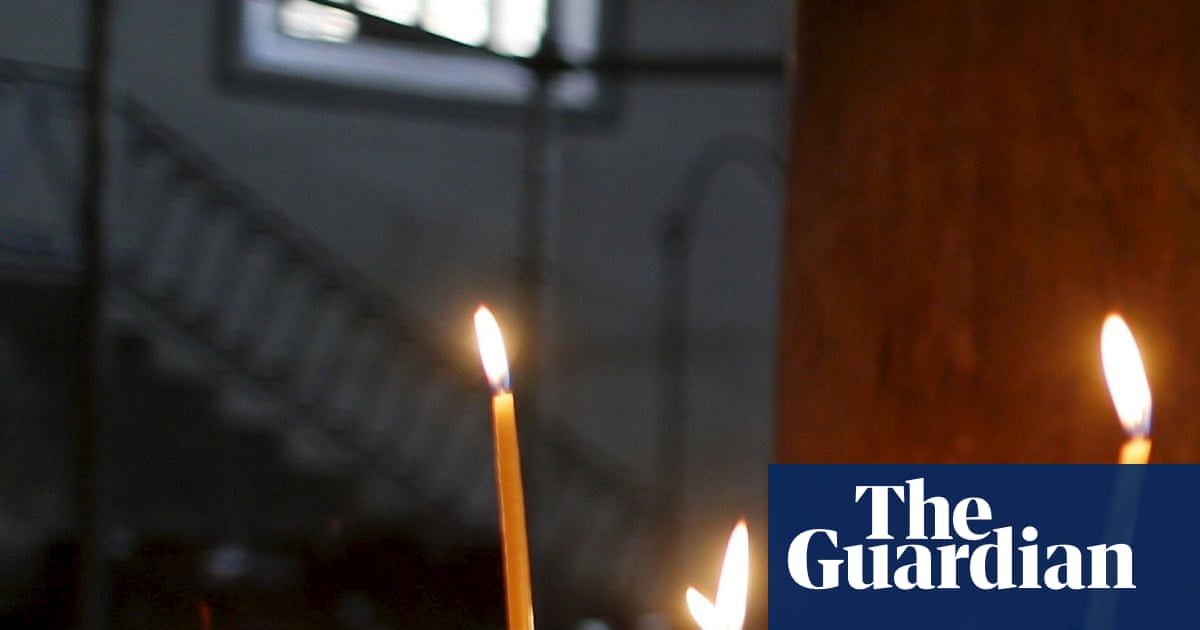
the final stanza marks a turning point. The suppressed anger erupts, and the poem’s figurative language reaches its peak. The “flame-flowers” represent a fleeting return to a threatened pastoral landscape, a moment of beauty extinguished by the sacristan’s casual act of blowing out the candles.
This seemingly small act takes on immense symbolic weight. The sacristan, in this reading, becomes a depiction of “Anthropocene man” – a figure complicit in the destruction of the habitat and the perpetuation of violence. Longley, renowned for his unflinching witness to the Troubles in Belfast, doesn’t shy away from confronting the casual inhumanity that underlies such destruction.
The line ”He knows I am watching” is delivered with stark emphasis. The enjambment that follows – “and he / doesn’t care as he shortens my lives” – is devastating in its simplicity.
This isn’t just a personal grievance; it’s a demand for accountability, a challenge to the conscience of contemporary society. You, as the reader, are positioned as a witness, compelled to acknowledge the sacristan’s indifference and its implications.
Longley’s Masterful Craft
Beyond its thematic depth, “A hundred Doors” is a testament to longley’s poetic