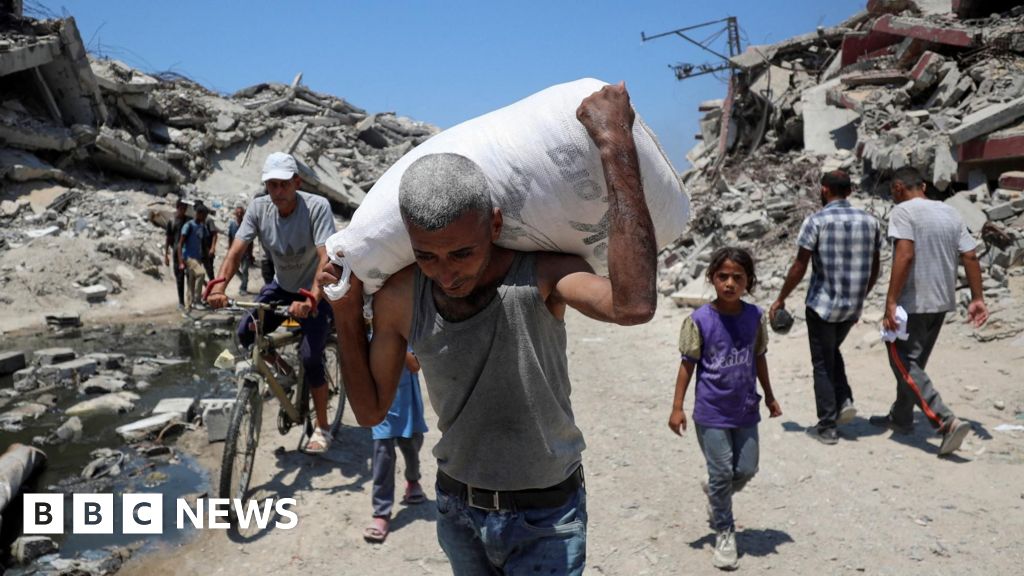
Gaza Faces Imminent Starvation as Aid delivery Remains Critically Blocked
The situation in Gaza is rapidly deteriorating,with warnings of widespread starvation reaching a critical point. International organizations and aid workers are sounding the alarm, emphasizing the urgent need for sustained humanitarian access and, ultimately, a ceasefire to prevent a catastrophic loss of life. This article will delve into the complexities of the crisis, examining the obstacles to aid delivery, the responses from key players, and the devastating impact on the civilian population.
The Scale of the Crisis
The World Health Organization (WHO) reports a dramatic surge in malnutrition-related deaths in Gaza, notably in July 2024. Of the 74 deaths recorded this year, a staggering 63 occurred this month alone, including 24 children under the age of five. Thes deaths aren’t happening in hospitals; most individuals are arriving already deceased or dying shortly after, exhibiting clear signs of severe wasting.
This crisis is, according to the WHO, “entirely preventable.” The core issue isn’t a lack of aid, but rather the “deliberate blocking and delay of large-scale food, health, and humanitarian aid.” You’re witnessing a situation where basic necessities are being denied to a population in desperate need.
Calls for a Ceasefire and sustained Aid
Experts emphasize that temporary pauses in fighting, while helpful, are insufficient. A sustained period of delivery – weeks, even months – is required to rebuild supplies and halt the escalating starvation.
“We need a sustained period of delivery…to stop that starvation and build up the supplies again. Ultimately, we need a ceasefire,” a leading aid official stated. Pauses are a step in the right direction, but lasting peace is the key to resolving this humanitarian disaster.
Israel’s Response and Accusations of Aid Obstruction
Israeli Prime Minister Benjamin Netanyahu vehemently denies allegations that Israel is deliberately starving civilians in Gaza, dismissing such claims as a “bold-faced lie.” He asserts that Israel facilitates the entry of humanitarian aid and that Hamas is solely responsible for any disruptions to its distribution.
Netanyahu argues that humanitarian pauses and corridors provide the UN with “no excuses left” to collect and distribute aid effectively. He directly urged the UN to “stop lying” and “stop finding excuses.”
However, this narrative is contested. The Israeli government currently restricts access to Gaza for international news organizations, including the BBC, hindering autonomous verification of the situation on the ground.
Addressing claims of Aid Theft
Accusations that Hamas is stealing aid have been circulating, but evidence remains inconclusive.
Hamas denies systematically diverting aid.
Senior Israeli military officials, as reported by The New York Times, have stated they’ve found no proof of systematic theft by Hamas from UN supplies.
US government analysis, according to reuters, also found no evidence of systematic theft of US-funded aid.
Despite these findings, Netanyahu’s office maintains that Hamas “benefits from attempting to fuel the perception of a humanitarian crisis” through “unverified numbers” and “carefully staged or manipulated” images.
Recent Developments and Ongoing Violence
On Monday, Netanyahu’s office announced plans to collaborate with aid groups, the US, and European nations to increase aid flow into Gaza. However, reports of continued Israeli attacks across Gaza surfaced the same day, resulting in the deaths of over 30 people, including those seeking aid.
The Context of the Conflict
This crisis unfolded following the Hamas-led attack on southern Israel on October 7, 2023, which resulted in approximately 1,200 deaths and 251 hostages taken. Israel launched a military campaign in Gaza in response.
As of today, the Hamas-run health ministry in gaza reports at least 59,821 fatalities since the start of the conflict.
What You Can Do
The situation in Gaza demands immediate attention and action. Here are a few ways you can definitely help:
Donate to reputable humanitarian organizations working on the ground (UNICEF, Doctors Without Borders, World Food Programme).
Contact your elected officials and urge them to advocate for a ceasefire and increased humanitarian aid.
Stay informed by following reliable news sources and sharing accurate facts.
* Support organizations advocating for human rights and international