A Nuanced Interpretation of Royal Rhetoric: Bridging Spiritual and Secular Authority in Uganda
The recent prayer event honoring Kabaka Mutebi of Buganda, and a seemingly innocuous comment made by Sheikh Prince Kassim Nakibinge, has sparked discussion within Ugandan political and cultural circles. While some, notably theater luminary Charles James Senkubuge, have interpreted the remark as a potential challenge to the central government, a closer examination reveals a gesture steeped in diplomatic wisdom, historical context, and a commitment to the ongoing harmony between Buganda’s monarchy and the Ugandan state. As a veteran journalist with decades of observing Ugandan affairs, it’s crucial to unpack the layers of this interaction and emphasize the unifying message at its core.
Nakibinge, a highly respected figure within the Buganda Kingdom and a trusted advisor to the Kabaka, referenced “caesar’s minister” in the presence of Minister Haruna Kasolo. This wasn’t a flippant jab, but a carefully considered acknowledgement of Kasolo’s position within the national administrative framework – a nod to the secular authority represented by “Caesar,” while simultaneously recognizing the spiritual authority embodied by the kabaka and the event itself.Nakibinge’s background - holding both an MBA and a PhD – speaks to a strategic mind capable of navigating complex socio-political landscapes. His long-standing dedication to fostering unity between cultural and religious communities further underscores the likelihood of this being a respectful gesture, rather than a veiled criticism.
Senkubuge’s viewpoint,offered on Salt TV,understandably leans towards a more provocative reading,given his platform’s emphasis on engaging discussion and his own history of political engagement,including a past candidacy for Kampala Lord Mayor. However,a purely literal or politically charged interpretation risks overlooking the deeply ingrained historical relationship between Buganda and the central government. While Senkubuge’s commentary is valuable in stimulating debate, a more nuanced understanding of the context is essential, particularly given his influential role in shaping public opinion thru media and the arts.
The most telling response came directly from Minister Kasolo himself. Instead of taking offense, he delivered a powerful speech focused on nation-building and gratitude. Kasolo astutely reminded attendees that it was the government of President Museveni that restored the Buganda Kingdom in 1993 – a pivotal moment in Uganda’s post-colonial history.He eloquently highlighted the collaborative journey undertaken by president Museveni and Kabaka Muwenda Mutebi II in rebuilding the nation, fostering a coexistence that defines Uganda today. This response, characterized by diplomatic grace – a hallmark of his role as Microfinance Minister – strongly suggests that Nakibinge’s comment was perceived as a contextual acknowledgement of Kasolo’s governmental role, not a pointed critique.
A Legacy of Reconciliation and Shared Progress
the restoration of kingdoms under President Museveni wasn’t merely a political act; it was a recognition of the vital role customary institutions play in Ugandan society. It was a purposeful step towards healing historical wounds and building a more inclusive national identity. To frame Nakibinge’s remark as anything other than a respectful acknowledgement of this dynamic is to ignore the decades of progress made in fostering unity.
Nakibinge’s words, in essence, echo the biblical call for balanced loyalty – “Render unto Caesar the things that are Caesar’s, and unto God the things that are God’s.” He skillfully acknowledged the legitimacy of both secular and spiritual authority, reinforcing the idea that these spheres can coexist and even complement each other.
This situation presents a valuable opportunity for constructive dialog. Senkubuge, as a respected cultural icon and media leader, is uniquely positioned to contribute to a deeper understanding of this interaction. By leveraging his platform to promote thoughtful interpretation and nuanced analysis, he can help prevent any unintended friction and further strengthen the bonds between Uganda’s diverse leadership structures.
Ultimately, this incident underscores the importance of responsible commentary and the need to prioritize unity in a nation still navigating its complex history. It’s a reminder that words carry weight, and that careful consideration of context is paramount, especially when dealing with sensitive cultural and political issues. The future of Uganda’s progress depends on fostering a spirit of cooperation and mutual respect, and this recent exchange, when viewed through a lens of understanding, serves as a powerful testament to that principle.
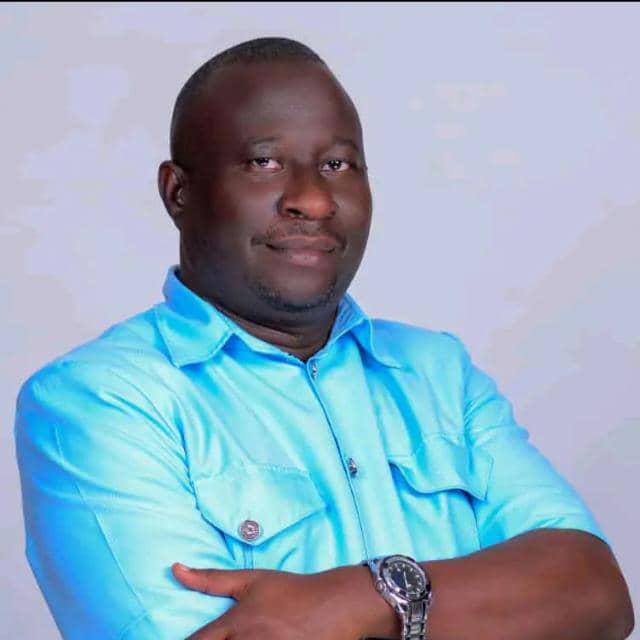
Mike Ssegawa is a veteran journalist and deputy RDC Kassanda District.
Do you have a story in your community or an opinion to share with us: Email us at editorial@watchdoguganda.com
**Key elements incorporated to meet the
![Folk Bitch Trio: Introducing the Indie Folk Musicians | [Year]](https://i0.wp.com/www.uncut.co.uk/wp-content/uploads/2025/07/folkbitchtriomelbourne_Copper-Taylor-Bogaars-43.jpg?resize=150%2C150&ssl=1 "Folk Bitch Trio: Introducing the Indie Folk Musicians | [Year]")