
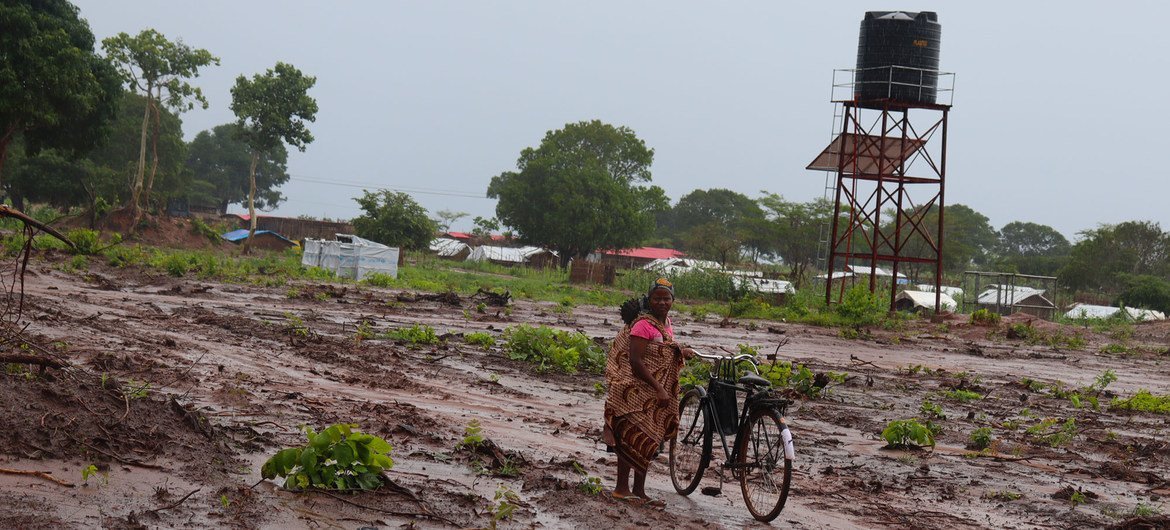
Mozambique Displacement Crisis Deepens: Urgent Humanitarian needs Escalate
A new wave of displacement is sweeping across Mozambique, driven by a complex interplay of armed violence, climate shocks, disease outbreaks, and critically, a severe lack of funding. Since January, over 95,000 people have been forced to flee their homes, primarily from the cabo Delgado province, wiht humanitarian access becoming increasingly precarious. The situation demands immediate attention and a notable increase in international support.
Recent attacks by armed groups, concentrated between July 20th and 28th, have triggered the displacement of at least 46,667 individuals across the districts of Chiúre, Ancuabe, and Muidumbe. chiúre has been disproportionately affected, sheltering over 42,000 displaced people – a staggering number that includes more than half children.
The challenges facing these vulnerable populations are multifaceted. Beyond the immediate need for safety, many displaced individuals lack essential civil documentation. This lack of identification creates significant obstacles, hindering their ability to freely access basic services, move safely, and rebuild their livelihoods.
A Growing Crisis for Children
The attacks in Chiúre Velho, Ocua, and Mazeze have overwhelmed the capacity of Chiúre Sede, where displaced families are crammed into overcrowded neighborhoods like Bairro Micone and Bairro Namicir. Disturbingly, reports indicate a surge in unaccompanied and separated children, amplifying protection concerns.These children are notably vulnerable and require specialized care and support.
Immediate needs are clear: food, shelter, and essential non-food items are critically lacking. Humanitarian partners on the ground are struggling to meet the escalating demands with limited resources.
Rapid Deterioration in Ancuabe and Muidumbe
The security situation in ancuabe district has deteriorated rapidly. Within a single week, the number of displaced families nearly tripled, reaching 444 households – a total of 1,946 people, including over 1,200 children. Residents of Nanduli village were forced to seek refuge in Chiote and Ancuabe Sede.
in Muidumbe, armed fighters reportedly torched homes in Magaia village and opened fire near Mungue, prompting nearly 500 families to flee to already strained displacement sites. access to these sites remains limited, hindering the delivery of vital assistance.
Protection Risks and a Funding Shortfall
International law mandates that civilians must be allowed to seek safety and freely choose their destination. However, the realities on the ground - insecurity, lack of documentation, and involuntary relocations - are compounding protection risks for the displaced population.
Compounding the crisis is a severe funding shortfall. As of July, Mozambique’s 2025 Humanitarian Response Plan is only 19% funded. Of the $352 million requested, a mere $66 million has been received. This drastic underfunding has forced agencies to reduce their response targets by over 70%,now aiming to assist only 317,000 people – a significant decrease from the initial target of 1.1 million.
The consequences of inaction are dire. Urgent and sustained funding is essential to prevent further deterioration and address the escalating humanitarian needs, wich remain acute and widespread. The international community must step up its support to avert a further humanitarian catastrophe in Mozambique.


