
Montana Bar Shooting: understanding the Tragedy in Anaconda and the Importance of Mental Health Access
A devastating shooting in Anaconda, Montana, on March 26, 2024, left four people dead, shattering the peace of this small community. The incident at the Owl Bar has prompted a wave of grief and a renewed focus on the critical need for accessible mental health services, particularly in rural areas. This article delves into the details of the tragedy, the victims, and the background of the shooter, Michael paul Brown, while emphasizing the systemic issues that may have contributed to this heartbreaking event.
The Incident and the Shooter
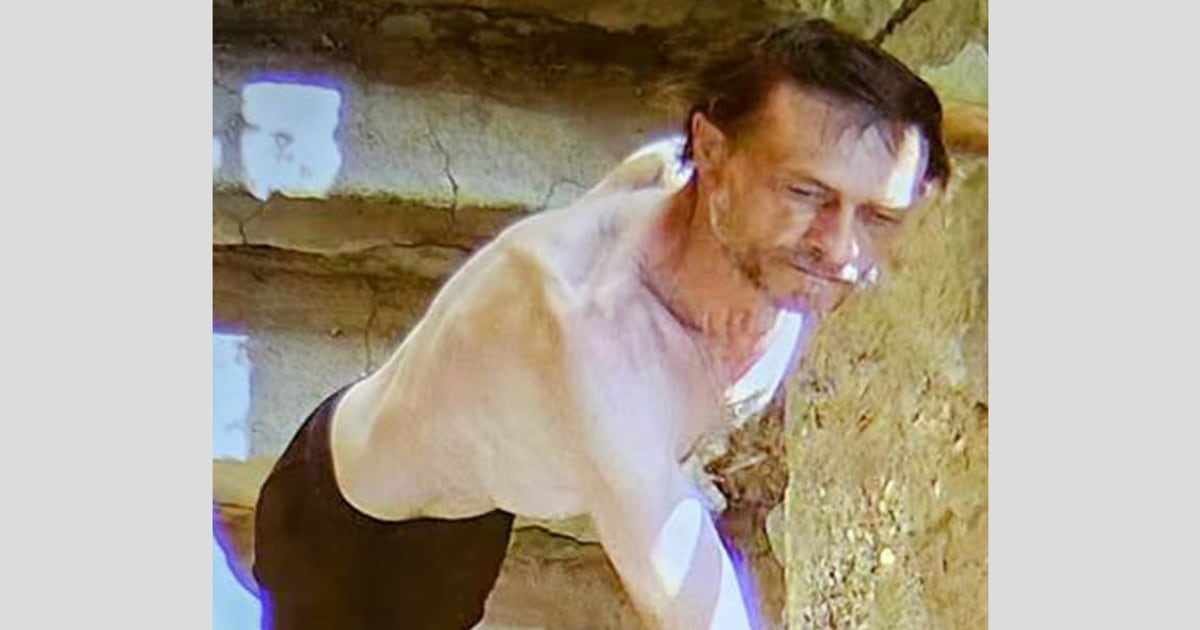
Michael Paul Brown, 41, opened fire at the Owl Bar in Anaconda, claiming the lives of Nancy Kelley, David Leach, and two others whose names have not been publicly released as of this writing. Law enforcement quickly apprehended Brown, who reportedly did not resist arrest. Initial investigations, coupled with accounts from those who knew him, paint a picture of a man struggling with significant mental health challenges.
Several individuals close to Brown have spoken about his battles with mental illness. Shane Charles, a friend and bar owner in Anaconda, revealed that Brown had been diagnosed with post-traumatic stress disorder (PTSD). Charles stated Brown was functional when adhering to his medication regimen, but his mental health issues were undeniable.
Brown’s niece,Clare Boyle,echoed these concerns in a Facebook post obtained by The Associated Press. She emphasized this wasn’t simply a case of intoxication or recklessness, but a tragedy stemming from a serious mental health crisis. Boyle described a man who frequently experienced disorientation, struggling with his identity, time, and location.
A Veteran’s Struggle
adding another layer to this complex situation is Brown’s military service.He served in the Army as an armor crewman from 2001 to 2005, including a deployment to Iraq from 2004 to 2005. Afterward, he continued his service in the Montana National Guard until 2009, ultimately leaving with the rank of sergeant.
Military service can be a significant risk factor for developing PTSD and other mental health conditions. The experiences of combat and the challenges of reintegrating into civilian life can take a profound toll. regrettably, access to adequate mental healthcare for veterans, especially in rural states like Montana, remains a persistent problem.
Remembering the Victims
The loss of life in Anaconda is a profound tragedy for the community. Here’s a look at the individuals whose lives were cut short:
Nancy Lauretta Kelley, 64: A recently retired oncology nurse, Kelley had dedicated around 30 years to patient care before taking a part-time bartending position at the Owl Bar. Her daughter, Kristian Kelley, described her mother as seeking a fulfilling activity in retirement.
David allen Leach, 70: Leach, who was deaf, resided in a public housing complex designed for seniors and individuals with disabilities. Neighbors remember him as a kind and helpful presence, always willing to lend a hand.The grief felt by their families and friends is immeasurable. Their stories remind us of the human cost of this tragedy.
A Community in Shock and a Call for Change
Anaconda, a town known for its close-knit community and sense of safety, is reeling from the shooting. Kristian Kelley expressed her shock,noting that residents typically didn’t even lock their doors. However, she also highlighted a critical point: limited access to mental health services in rural areas can have devastating consequences.
This tragedy underscores the urgent need for:
Increased funding for mental health programs: Particularly in rural communities where access is limited.
Improved access to veteran’s healthcare: Ensuring that those who have served our country receive the mental health support they deserve.
reduced stigma surrounding mental illness: Encouraging open conversations and seeking help without shame.
proactive mental health support: Identifying and assisting individuals at risk before a crisis occurs.
The shooting at the Owl bar is a heartbreaking reminder that mental health is a public health issue. By addressing the systemic barriers to care and fostering a more compassionate and understanding society, we can work to prevent future tragedies and ensure that everyone has access





