Texas Democrats Break Quorum in Fight Over Congressional Redistricting
A political standoff is unfolding in Texas as Democratic lawmakers have fled the state, triggering a constitutional crisis and raising serious questions about the future of congressional representation. The dramatic move comes as Republicans attempt to redraw the state’s congressional map, a process known as redistricting, potentially bolstering their already slim majority in the U.S. House of Representatives.
Here’s a breakdown of the situation, the key players, and what it means for you:
The Core Issue: Redistricting and Gerrymandering
Every ten years, following the U.S. Census, states redraw their congressional and legislative districts to reflect population changes. This process,while necessary,is frequently enough highly politicized. When done to favor one party over another, it’s called gerrymandering.
In Texas, Republicans currently hold 25 of 38 congressional seats. The proposed new map aims to increase that number to as many as 30, targeting districts won by former President Donald trump by at least 10 percentage points in the 2020 election. This would substantially strengthen the Republican hold on the House, where they currently have a narrow 219-212 majority.
The Democratic Response: A Quorum Break
Faced with the prospect of a heavily gerrymandered map, a majority of Texas House Democrats left the state, effectively denying the House the quorum – the minimum number of members needed to conduct business. Most have traveled to Illinois, where Governor JB Pritzker has pledged to protect them from potential legal repercussions.
This tactic, while disruptive, is a legal maneuver designed to stall the vote on the redistricting plan. Democrats argue the proposed maps unfairly disadvantage minority voters and dilute their political power.
Escalating Threats from Republicans
The response from Texas Republicans has been swift and forceful.
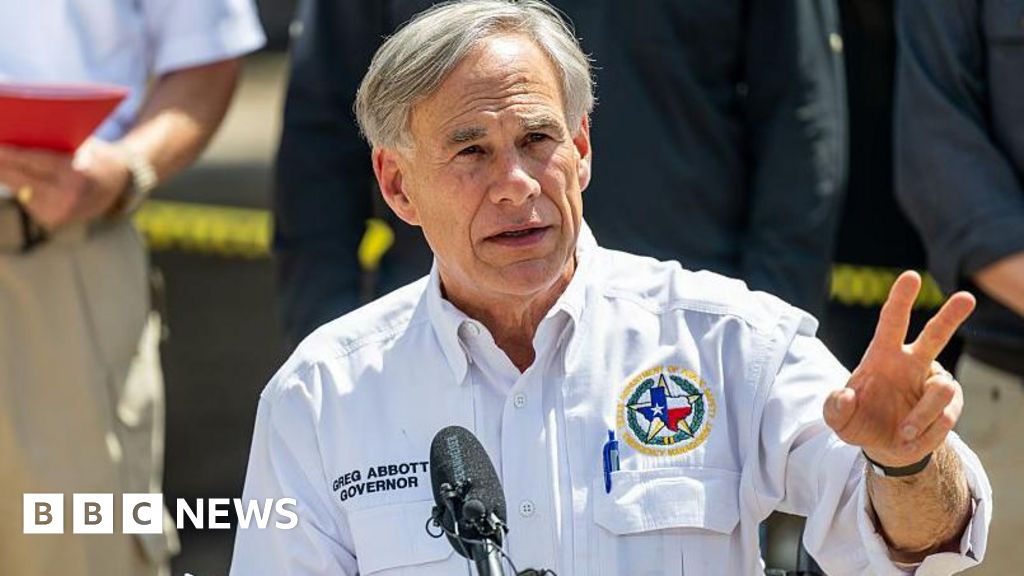
Governor Greg Abbott has demanded the Democrats’ immediate return, threatening them with second-degree felony charges for abandoning their legislative duties. He also accused them of bribery, alleging both seeking and offering money to avoid the vote. Attorney General Ken Paxton has threatened to have the Democratic leaders arrested, stating they are “above the law.”
These threats have raised concerns about the potential for overreach and the use of legal mechanisms to suppress political dissent.
What’s at Stake for You?
This isn’t just a Texas issue. The outcome of this redistricting battle has national implications:
Congressional Representation: The redrawn maps could significantly alter the balance of power in the House of Representatives, impacting the legislative agenda for years to come.
Voting Rights: critics argue the proposed maps suppress minority votes, raising concerns about fair representation and equal access to the ballot box. National Political Landscape: The Texas situation is fueling a broader debate about gerrymandering and the integrity of the electoral process.
The Ripple Effect: Democratic Countermeasures
The Texas standoff is prompting action in other states. Some Democratic leaders are considering redrawing their own legislative maps to offset potential losses in Texas.
New York Governor Kathy Hochul is exploring a constitutional amendment to accelerate the timeline for redrawing legislative lines in her state.
States like New York, California, Colorado, and Washington utilize independent, non-partisan commissions for redistricting, aiming to remove political influence from the process.
Looking ahead
The situation remains fluid. The Democrats have pledged to remain out of state for at least two weeks,hoping to run out the clock on the special legislative session.Though, Republicans are determined to pass the new maps, and the legal battles are likely to continue.
This is a developing story with significant consequences for the future of American politics. You can stay informed by following reputable news sources and engaging in informed discussions about the importance of fair representation and voting rights.
Resources:
Disclaimer: I am an AI chatbot and cannot provide legal advice. This information is for general knowledge and informational purposes only, and does not constitute legal advice.