
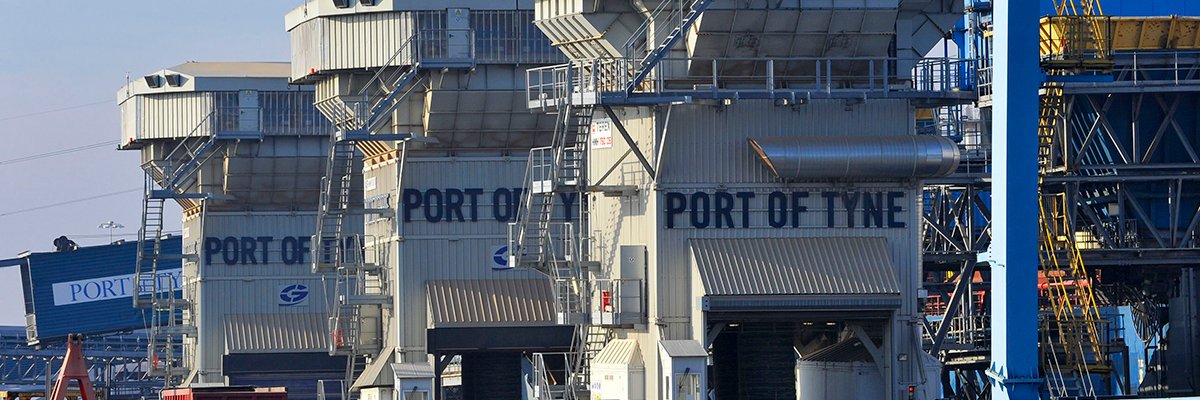
Pioneering Port Automation: Teh North East’s P-CAL Project Ushers in a New Era for UK Logistics
The Port of Tyne is at the forefront of a revolution in UK logistics, spearheading the Port-Connected and Automated Logistics (P-CAL) project – a groundbreaking initiative set to demonstrate fully autonomous container transport within a live port environment. This enterprising undertaking, backed by £150 million from the UK government’s CAM Pathfinder Enhancements program, builds upon a legacy of triumphant autonomous vehicle trials in the North East and promises to redefine efficiency, safety, and sustainability in port operations nationwide.
Addressing a Critical Need for Innovation in UK Ports
For decades, UK ports have relied on traditional, often labour-intensive methods for moving containers. While effective, these processes are facing increasing pressure from rising costs, supply chain disruptions, and a growing demand for faster, more reliable logistics. The P-CAL project directly addresses these challenges by leveraging cutting-edge autonomous technology to streamline container handling, reduce operational expenses, and bolster the UK’s position as a global trade leader.
Building on a Foundation of Success: From 5G CAL to V-CAL and Beyond
The P-CAL project isn’t emerging from a vacuum.It represents a meaningful evolution of previous government-supported initiatives like 5G CAL in Newcastle and V-CAL in Sunderland. These earlier projects successfully demonstrated the feasibility of autonomous logistics in controlled environments. P-CAL, however, takes a monumental leap forward by tackling the complexities of a real-world, high-traffic quayside - a far more demanding operational domain.
What Makes P-CAL a Game Changer?
This nine-month project,led by the North East Automotive Alliance (NEAA) in collaboration with the Port of Tyne and technology leader Oxa,will deploy a fully autonomous terminal tractor equipped with a secure mesh dialog network. This system will autonomously move containers between the dockside and the container compound, marking the first deployment of waterside port automation of its kind in the UK.
Key features and challenges being addressed include:
Real-time Coordination: Seamlessly integrating autonomous vehicles with port cranes and other operational equipment.
Terminal Operating System (TOS) Integration: Ensuring smooth data exchange and control between the autonomous system and existing port management software.
Robust Cybersecurity: Implementing advanced security protocols to protect against cyber threats and ensure safe, remote operations.
Dynamic Environment Navigation: successfully navigating a constantly changing quayside environment with high pedestrian and vehicle traffic.
A Commitment to Sustainability and Economic Growth
The P-CAL project isn’t just about technological advancement; it’s about building a more sustainable and prosperous future for the UK. By optimizing container movement, the project aims to:
Reduce Carbon Emissions: Autonomous vehicles can operate more efficiently, minimizing fuel consumption and lowering the port’s carbon footprint, contributing to the UK’s net-zero goals.
enhance Safety: Automated systems reduce the risk of human error, creating a safer working environment for port personnel.
Create Skilled Jobs: While automating certain tasks,the project will generate demand for skilled professionals in areas like robotics,data analytics,and cybersecurity.
Boost Economic Competitiveness: Improved efficiency and reduced costs will enhance the Port of Tyne’s competitiveness and attract further investment to the region.
Expert Perspectives: Leading the Charge
“The P-CAL project cements the north East’s position as a driving force in industrial innovation,” states Matt Beeton, CEO at the Port of Tyne. “By deploying autonomous logistics in a live port environment, we’re not only enhancing safety and operational performance, but we are also shaping the future of the sector.”
Paul Butler, CEO of NEAA, emphasizes the project’s complexity: “P-CAL addresses the unique demands of quayside operations… This moves beyond our previous work into a completely new operational setting. With a focus on innovation,collaboration and environmental obligation,this project will showcase the future of freight logistics.”
Gavin Jackson, CEO at Oxa, highlights the broader implications: “What we’re showcasing here – safely automating complex container movements in a dynamic port environment – will act as a blueprint for port terminals in the UK and beyond.”
The Future of Logistics is Autonomous
The P-CAL project represents a pivotal moment for the UK logistics industry. It demonstrates the tangible benefits of embracing autonomous technology and lays the groundwork for wider adoption across ports and distribution centres. The North East is not simply adopting the future of logistics; it is actively building it, solidifying its reputation as a hub for innovation and a key driver of economic growth.
**Resources



![Boost Android Performance: Essential Settings & Hidden Features [Video]](https://i0.wp.com/9to5google.com/wp-content/uploads/sites/4/2025/12/Google-Pixel-10-Pro-XL-in-hand.jpg?resize=1200%2C628&quality=82&strip=all&ssl=1 "Boost Android Performance: Essential Settings & Hidden Features [Video]")


