Do Birds Dance to the Beat? New Research Reveals Rhythmic Movement in Cockatoos
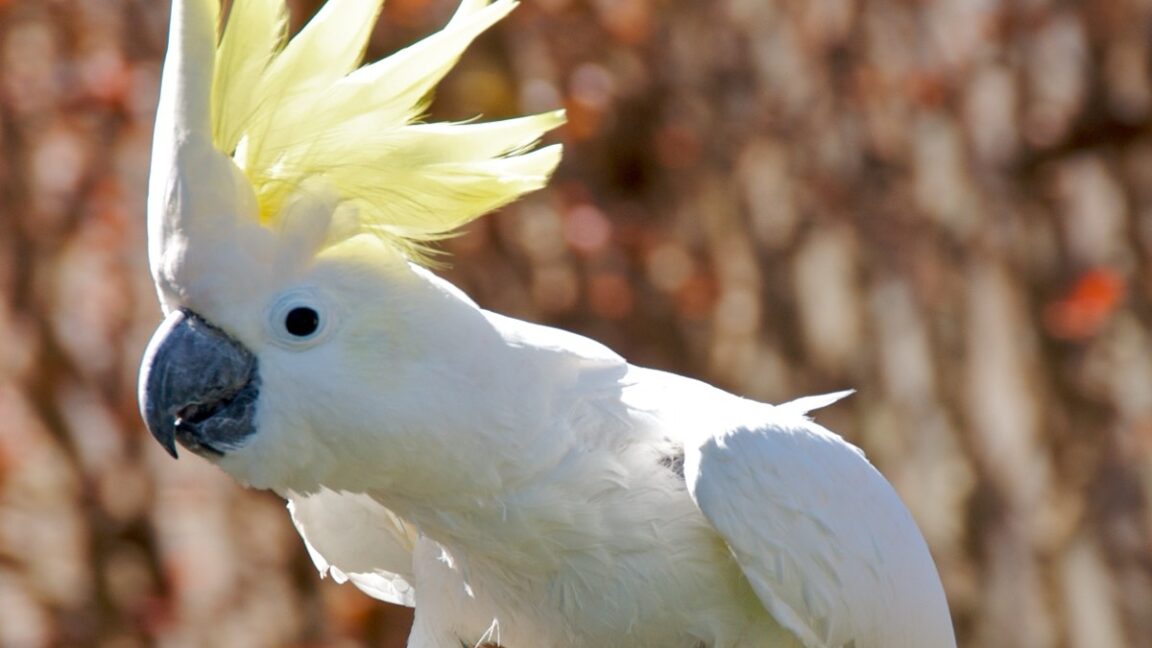
Recent research is shaking up our understanding of avian behaviour,suggesting that cockatoos - and perhaps other parrots – aren’t just mimicking movements,but genuinely dancing to music. This fascinating revelation opens a window into the cognitive and emotional lives of these intelligent birds, and could have implications for their welfare in captivity.
Uncovering the Cockatoo Groove
Scientists observed a surprising range of coordinated movements in cockatoos, mirroring patterns seen in human dance.They identified ten common movements, including downward head bobs, side steps, and wing movements. Interestingly, individual birds even combined these moves to create their own unique “dance styles.”
To investigate further, researchers studied six cockatoos from three different species at a zoo in Australia. They exposed the birds to three different stimuli: a popular song, silence, and a spoken-word podcast.
The results were compelling. Dancing behavior was observed in ten out of twenty-one cockatoo species. The downward head movement proved the most frequent, appearing in half the birds, followed closely by the sidestep (43%). Movements solely involving the wings were the least common.
Distinguishing dance from Stereotypical Behavior
It’s important to differentiate this rhythmic movement from stereotypical behaviors often seen in captive parrots.These repetitive actions, like feather plucking or pacing, lack clear purpose and exhibit little variation. However, the cockatoos in this study displayed notable diversity in their movements, ruling out this explanation.
What Drives the Dance?
The purpose of this dancing remains a topic of exploration. Prior research has linked similar movements to courtship displays. Perhaps birds,lacking potential mates,redirect these impulses toward their human companions.
Though, the study authors suggest that owner interaction isn’t the primary driver of this behavior. Their findings indicate that the dance is likely an intrinsic response to music itself.
Implications for Bird Welfare
this research highlights the complex cognitive abilities of parrots. It suggests that music may play a role in their emotional well-being. As one co-author noted, playing music for parrots could serve as a valuable form of environmental enrichment.
Further research is needed to determine if music consistently triggers dance in captive birds. Exploring this connection could lead to improved welfare practices for parrots in zoos and as pets.You can contribute to better understanding by observing your own feathered friends and noting their reactions to different types of music.
Were to Learn More
the full study was published in PLoS ONE in 2025.You can find the research details using the DOI: 10.1371/journal.pone.0328487.