
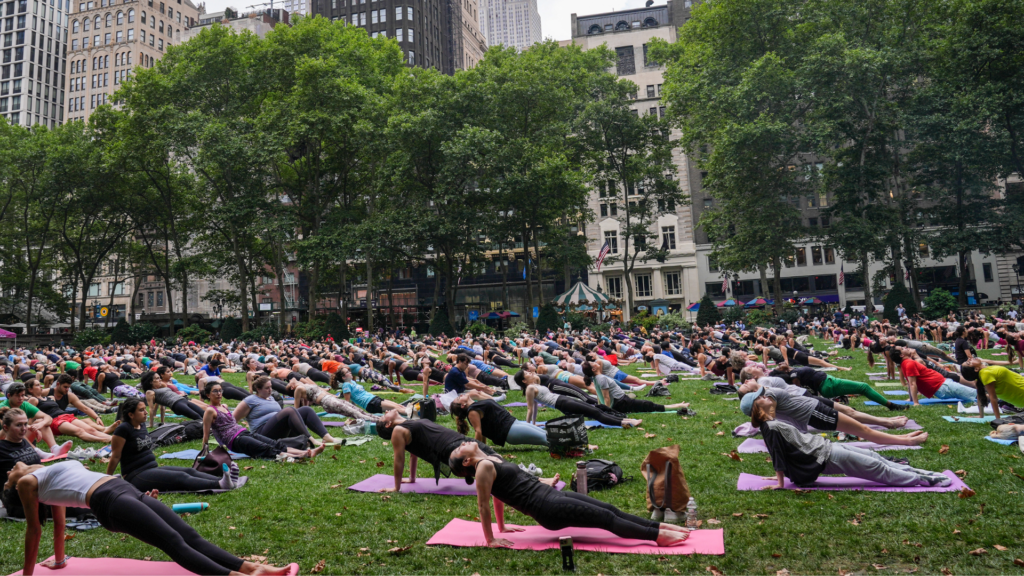
Navigating the Legal Landscape: A Comprehensive Guide too Teaching Yoga Outdoors
So, you’re a yoga teacher dreaming of sun-drenched poses and fresh air? Teaching yoga outdoors is incredibly rewarding, but it’s crucial to understand the legal requirements before you unroll your mat. Many instructors find the permitting process surprisingly complex. This guide will equip you with the knowledge to navigate local regulations and teach outdoor yoga classes legitimately and confidently.
Why permits Matter: Avoiding Fines & Shutdowns
Ignoring local regulations can lead to hefty fines or, worse, having your class shut down mid-flow. The rules vary dramatically depending on location, class size, and whether you charge a fee. Don’t assume a beautiful park is automatically a free-for-all. Let’s break down how to ensure you’re covered.
6 Essential Steps to Legally Teach Outdoor Yoga
Here’s a detailed roadmap to help you secure the necesary permits and avoid legal headaches:
1. Thoroughly Research Your location.
Don’t wait until the last minute! weeks before your planned class, begin your research online. Search for the specific park or location name combined with terms like “events” or “permits.” This will typically lead you to the relevant Parks and recreation Department – whether it’s for your town, city, county, or state.
2. Accurately Estimate Attendance.
Class size is a major factor in permitting. Many permits have strict limits on the number of participants allowed. Be realistic with your projections and prepared to manage registration effectively. You might even need to turn people away, as experienced instructor Sarah Dresser discovered.
3. Clarify Your Pricing Structure.
How you charge for your classes significantly impacts the permits you’ll need.
Free Classes: May require a simple event permit.
Donation-Based Classes: Ofen fall into a gray area and may require clarification with the permitting agency.
Paid Classes: almost always necessitate a commercial use permit and possibly a business license.
Always read the fine print – costs and requirements can vary widely.
4. Secure Necessary Certifications & Insurance.
Beyond permits, you’ll likely need to demonstrate professional qualifications.
Liability Insurance: Essential for protecting yourself and your students. It’s a smart investment, regardless of permit requirements.
Specific Certifications: Some locations, like wilderness areas, may require certifications like Wilderness First Responder or even an Outfitter Guide license. Be prepared for annual renewals and associated fees.
5. Plan Well in Advance.
Permitting processes can be lengthy. Many Parks and Recreation departments require applications at least 30 days before your class date – some even longer. Don’t procrastinate! Select your date and start the paperwork immediately.
6. Don’t Hesitate to Ask Questions.
Regulations can be confusing.If you’re unsure about any aspect of the permitting process, contact the overseeing department or agency directly. Don’t rely on assumptions. Persistence and clear communication are key, as Dresser found when securing permits for Drake Park and Tumalo State Park.
Understanding Common Permit Considerations
Here’s a deeper dive into some common permit stipulations you might encounter:
Commercial vs. Non-Commercial Use: Charging a fee generally classifies your class as a commercial venture, triggering stricter permitting requirements.
Exclusive Use: Some permits grant exclusive use of a space, preventing others from using it simultaneously. this frequently enough comes with a higher fee.
Amplification: Using a microphone or speaker system usually requires a separate permit.
Set-Up Restrictions: Permits may dictate where you can place mats, props, or other equipment.
Waste Management: You might potentially be responsible for providing trash receptacles and ensuring the area is left clean.
Resources for Further Research
Yoga Journal: https://www.yogajournal.com/teach/teaching-methods/liability-insurance-yoga-teachers/ - information on liability insurance for yoga teachers.
Maricopa County Website: https://www.maricopa.gov/ –





