Jakarta Protests Erupt Following Driver’s Death, Fuelled by Economic Concerns
recent demonstrations in Jakarta, Indonesia, have escalated following the death of a ride-hailing driver and are now encompassing a broader range of grievances related to economic hardship and government policies.These protests highlight growing discontent among Indonesians facing rising costs of living and perceived inequalities.
Here’s a breakdown of the situation and what’s driving the unrest:
The Spark: A Driver’s Tragic Death
Affan Kurniawan, a driver for Gojek, recently passed away, prompting an outpouring of grief and anger. Gojek, the ride-hailing company, expressed its condolences, acknowledging the hardship faced by its drivers and pledging support to Kurniawan’s family. The company stated that behind every driver is a story of dedication and struggle, and his loss is deeply felt.
Beyond Grief: A Wave of Protests
Though, Kurniawan’s death served as a catalyst for pre-existing frustrations. Protests began this week and have quickly expanded to address multiple concerns. You’ll find demonstrators voicing opposition to a controversial new allowance for lawmakers.
The Allowance Controversy
Specifically, the protests center around a recently approved monthly allowance of 50 million rupiah (approximately $3,030 or £2,250) for members of parliament. This figure is nearly ten times the minimum wage in Jakarta, sparking outrage among citizens struggling with economic pressures. It’s understandable why this feels particularly unfair to many.
Core Demands of the Protesters
Beyond the allowance, protesters are demanding systemic changes. Their key demands include:
Higher Wages: A call for increased earning potential to keep pace with the rising cost of living.
Lower Taxes: Relief from the financial burden of taxation.
* Stronger Anti-Corruption Measures: A demand for greater transparency and accountability from government officials.
A Broader Economic Context
I’ve found that these protests reflect a wider trend of economic anxiety in Indonesia. Many Indonesians are grappling with increasing prices for essential goods and services. The perceived disconnect between the government and the everyday struggles of its citizens is fueling the unrest.
Demonstrations Intensify
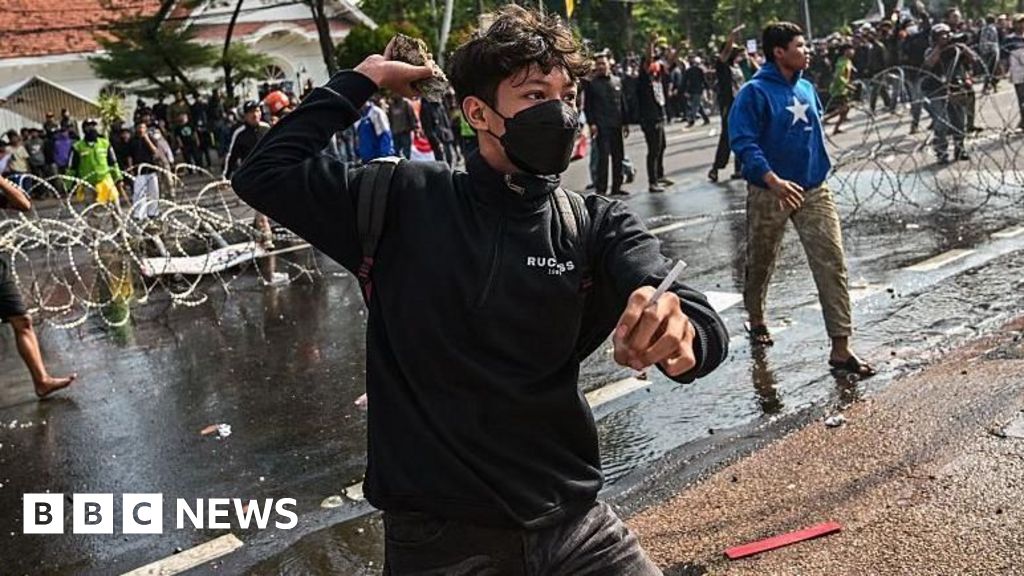
Demonstrations have included scenes of protesters setting fire to road barriers outside the Jakarta police headquarters. This escalation underscores the intensity of feeling and the urgency with which protesters want their concerns addressed.
What’s Next?
The situation remains fluid. It’s crucial to watch how the government responds to these demands. A failure to address the underlying economic concerns could lead to further unrest and instability. Ultimately, a constructive dialog between the government and the protesters is essential to finding a path forward.