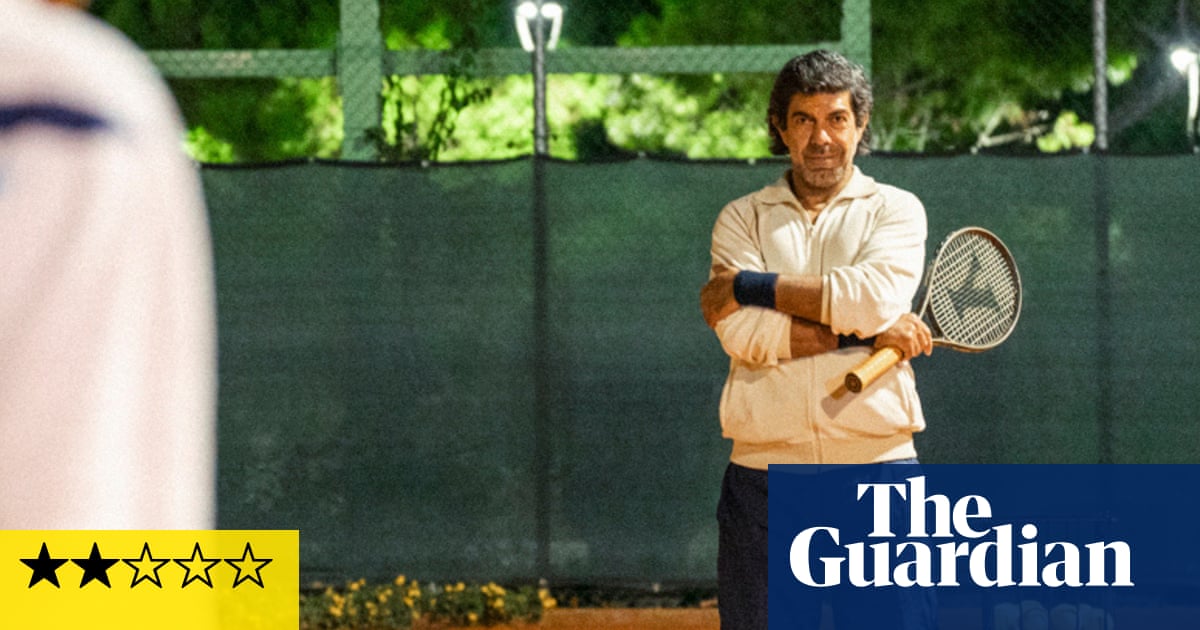
“My Tennis Maestro“: A Promising Start That Fails too Volley Home a Satisfying Finish
The recent surge of compelling tennis films – think Luca Guadagnino’s Challengers and Reinaldo marcus Green’s King Richard – set a high bar. Andrea Di Stefano’s My Tennis maestro initially appeared poised to join their ranks, offering a charming coming-of-age story. however, despite a strong performance from veteran Italian actor Pierfrancesco Favino, the film ultimately falters, unable to commit to a clear narrative direction.
This review dives deep into what works, and crucially, where My Tennis Maestro loses its footing, offering a critical assessment for film enthusiasts and those interested in the portrayal of sports and mentorship on screen.
A Tale of Two Tennis Philosophies – and a Conflicted Narrative
The film centers on Felice, a 13-year-old tennis prodigy rigorously trained by his father in the competitive, yet relatively low-stakes, Italian regional circuit. He’s a product of the ivan Lendl school of thought: relentless baseline play,efficiency above all else. But his father, driven by ambition, hires raul “the Cat” Gatti (Favino), a former pro with a checkered past, to propel Felice to national glory.
This is where the film’s central conflict arises. Gatti, a charismatic but flawed figure, encourages felice to embrace the flamboyant style of Guillermo Vilas – prioritizing flair and enjoyment over robotic precision. The core tension becomes: should Felice adhere to his father’s disciplined approach, or embrace the liberating, albeit risky, philosophy of his new mentor?
Unfortunately, My Tennis Maestro struggles to resolve this conflict effectively. It hints at a repudiation of the “win-at-all-costs” mentality, yet simultaneously seems to demand a traditional underdog sports movie comeback. This indecision leaves the audience feeling unsatisfied, and the final, self-aware wink to the camera feels jarring and miscalculated.
Favino Shines, But Can’t Carry the Weight
Pierfrancesco Favino delivers a captivating performance as Raul Gatti. He embodies the grizzled charm of a fallen hero, a man haunted by past mistakes and desperately seeking redemption. His portrayal is arguably the film’s strongest asset, injecting much-needed energy and complexity into the narrative.
However, even Favino’s talent can’t fully compensate for the script’s shortcomings. the film introduces intriguing elements – Gatti’s history of substance abuse and a past breakdown – but treats them with a superficiality that feels tonally inconsistent.
Key Takeaways & What the Film Gets Right
Authentic Setting: The early 1980s Italian tennis scene is vividly depicted, offering a glimpse into a lesser-known corner of the sport.
Strong Central Performance: Favino’s portrayal of Raul Gatti is nuanced and compelling.
Intriguing Premise: The clash between contrasting tennis philosophies – Lendl’s precision versus Vilas’s flair - provides a solid foundation for a compelling story.
Where My Tennis Maestro Falls Short
Narrative Indecision: The film can’t decide whether to embrace a traditional sports movie arc or a more nuanced exploration of mentorship and personal growth.
Underdeveloped Themes: Important themes,like Gatti’s struggles with addiction and the pressures of competitive sports,are introduced but not fully explored.
Pacing Issues: The film’s runtime feels stretched, particularly as it approaches the climax, with little forward momentum.
Unsatisfying Resolution: The ending feels rushed and lacks the emotional resonance it strives for.
Is This Film For You?
If you’re a tennis enthusiast, particularly interested in the history of the sport, My Tennis Maestro offers some appeal. You’ll appreciate the authentic setting and the exploration of different playing styles. though, if you’re seeking a tightly-plotted, emotionally satisfying sports drama, you might find yourself disappointed.
Ultimately, My Tennis Maestro* is a film with potential that remains unrealized. It’s a promising start that unfortunately fails to volley home a satisfying finish.The film screened at the Venice Film Festival, hinting at initial acclaim, but the final product feels like a missed opportunity.
Final Verdict: A watchable,but ultimately flawed