Navigating Fandom’s Intensity: When Love for a Show Crosses the Line
The passionate fanbase surrounding the Prime Video series, “The Summer I Turned Pretty,” has reached a point where the actors themselves are needing to gently remind viewers of the distinction between fiction adn reality. Intense debates over team Jeremiah or team Conrad have, unfortunately, spilled over into concerning online behavior.
This isn’t simply playful rivalry.It’s a phenomenon highlighting a growing trend of blurred lines between entertainment and real life, prompting a response from the streaming platform itself. Let’s explore what’s happening, why it’s happening, and what it means for how we engage with the stories we love.
The Rising Tide of Passionate – and Problematic – Fandom
Recently, cast members have spoken out about the sometiems-aggressive reactions from fans. They frequently find themselves needing to reiterate that they are simply portraying characters.
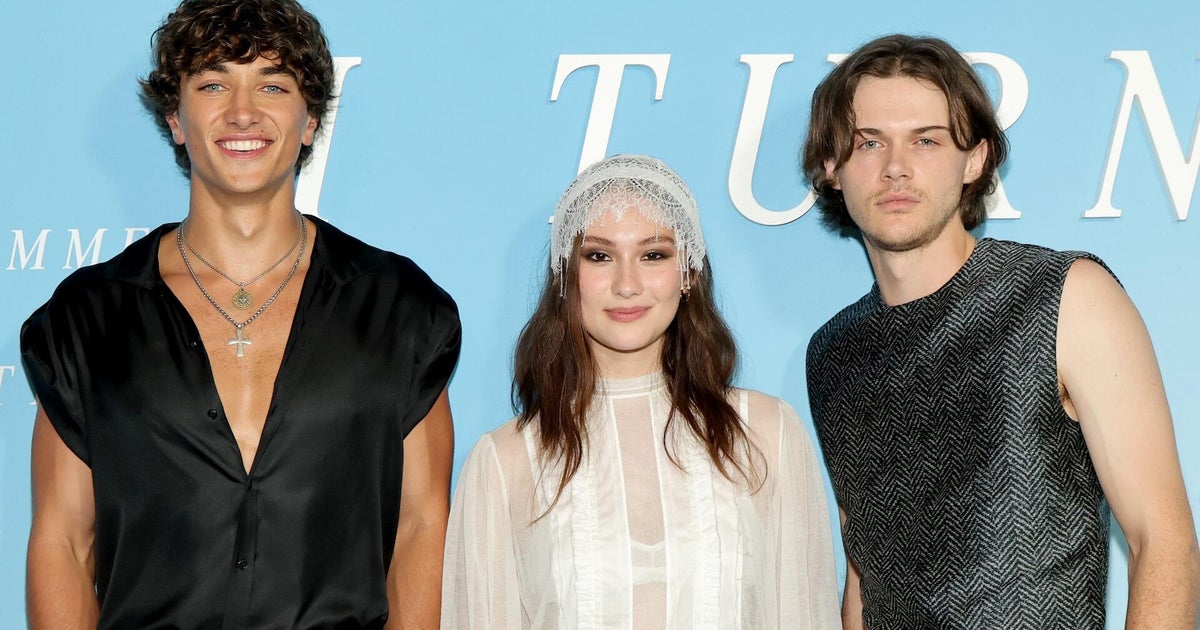
Actors like Gavin Casalegno and Chase Briney acknowledge the gratitude for the show’s popularity, but also point out the intensity of the emotional investment. They’ve observed fans passionately rooting for both romantic leads, sometimes to an unsettling degree.
Lola Tung, who plays the central character Belly, has directly addressed the issue. She expressed gratitude for the fans’ dedication but also issued a plea for respectful discourse. “Please don’t threaten to kill someone if something doesn’t go your way – I promise you, it’s not that serious,” she cautioned.
Prime Video Steps In
In response to the escalating situation, Prime Video launched a social media campaign titled ”The Summer We Started Acting Normal Online.” This initiative aims to foster a kinder online habitat and reinforces a zero-tolerance policy for bullying and hate speech.The message is clear: the show isn’t real, but the people behind the characters are. This campaign underscores a crucial point often lost in the fervor of online fandom.
Why This Is Happening: A Deeper look
The need for a streaming service to intervene and remind viewers of this basic principle is striking. Experts are weighing in, suggesting this situation points to broader societal trends.
board-certified psychiatrist and author Sue Varma notes that the lines between fiction and reality are becoming increasingly blurred. She observes people projecting anger and resentment onto fictional characters, a concerning progress.this behavior may stem from a “deep void in our society,” with individuals longing for genuine human connection. It also highlights the psychological phenomenon of parasocial relationships – one-sided bonds formed with media figures. The anonymity afforded by social media frequently enough exacerbates these behaviors, emboldening individuals to act in ways they might not or else.
Understanding Parasocial Relationships
You might be wondering, what exactly is a parasocial relationship? Essentially, it’s the illusion of intimacy and connection you feel with characters or personalities you encounter through media.
Hear’s a breakdown:
One-sided connection: The relationship is entirely initiated and maintained by one party – the fan.
Emotional investment: You experience genuine emotions related to the character’s journey.
Sense of familiarity: Repeated exposure creates a feeling of knowing the character.
Not inherently negative: Parasocial relationships can be healthy and provide comfort.
However, when this connection becomes obsessive or leads to harmful behavior, it crosses a line.
Maintaining a Healthy Perspective
So, how can you enjoy your favorite shows and characters without letting the lines blur? Here are a few tips:
Remember it’s entertainment: Keep in mind that these are fictional stories created for your enjoyment.
Separate actor from character: Recognize that actors are portraying roles, and their personal lives are separate.
Engage respectfully: Participate in online discussions with kindness and consideration for others.
Prioritize real-life connections: Nurture your relationships with people in your own life.
* Be mindful of your own emotional state: If you find yourself becoming overly invested or upset, take a step back.
Ultimately, enjoying a show should be a positive experience.By maintaining a healthy perspective and engaging respectfully, you can celebrate