
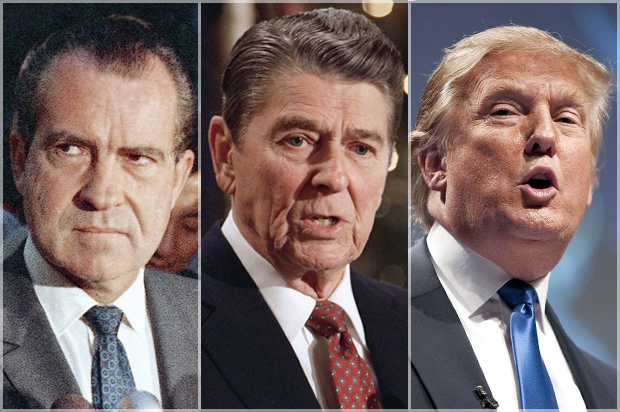
The Echoes of Vigilante Justice: From New York Subways to the National stage
The case of Bernhard Goetz, the “Subway Vigilante,” wasn’t simply a New York crime story. It was a chilling reflection of societal anxieties adn a precursor to a political climate increasingly fueled by fear and a desire for direct action. You might remember the 1984 shooting – four young men attempting to rob Goetz on a subway car, and Goetz responding with gunfire, leaving them wounded. But the aftermath, and the figures who championed him, reveal a deeper, more troubling trend.
Goetz quickly became a symbol for those feeling abandoned by the system.Many saw him not as a criminal, but as a victim standing up to a perceived wave of urban lawlessness. This sentiment was powerfully amplified by a new breed of media personality.
The Rise of Right-Wing Talk Radio
Bob Grant,a New York radio host,was instrumental in shaping this narrative. He virtually invented the format of right-wing talk radio, capitalizing on the city’s volatile atmosphere.Grant’s rhetoric was ofen inflammatory, even by today’s standards.
Consider this: he once suggested the only qualification a Black woman needed for a job was passing a “gynecological and pigmentation test.” He secured the first radio interview with Goetz, openly lamenting that the vigilante hadn’t inflicted even more harm. This wasn’t just commentary; it was an endorsement of extrajudicial punishment.
A Pattern of Inflammatory Rhetoric
This pattern of escalating rhetoric didn’t end with Goetz. Three years later, Donald trump entered the conversation following the Central park Five assault case. He called for a return to “little hot squat” - a euphemism for harsh, possibly illegal, policing tactics.
Trump argued that “civil liberties end when an attack on our safety begins.” This framing, echoing Grant’s sentiments, suggested that conventional legal protections could be suspended in the face of perceived threats. It was a dangerous proposition, and one that resonated with a growing segment of the population.
From Local Grievances to National Policy
The connection between Grant and Trump continued to develop. In 2011, Grant publicly endorsed Trump’s campaign to question President Obama’s birth certificate. He saw Trump as a kindred spirit, a fellow champion of a particular brand of conservative populism.
Grant passed away in 2014,but his influence didn’t die with him. His brand of vigilante conservatism, once confined to New York airwaves, had gone national.The wall Fred Trump attempted to build in Queens decades earlier – a physical barrier meant to divide communities – found a new, symbolic form in a 2,000-mile southern border wall.
A Legacy of Fear and Division
The election results that followed demonstrated the power of this shift.A candidate who had once been a New York real estate developer,fueled by rhetoric that tapped into deep-seated anxieties,had risen to the highest office in the land.
It’s a sobering reminder that the echoes of the Goetz case, and the voices that amplified it, continue to reverberate through our society. Understanding this history is crucial if you want to navigate the complex political landscape we face today. It’s a story about how fear, amplified by media and exploited by politicians, can reshape our understanding of justice, safety, and the very fabric of our communities.




![T-Mobile vs AT&T vs Verizon: Best Unlimited Plans [2024]](https://i0.wp.com/media.wired.com/photos/694af41b580097bbe4e87205/191%3A100/w_1280%2Cc_limit/Best%20Unlimited%20Plans%20top%20art%20122025%20SOURCE%20Getty%20Images.jpg?resize=330%2C220&ssl=1 "T-Mobile vs AT&T vs Verizon: Best Unlimited Plans [2024]")


