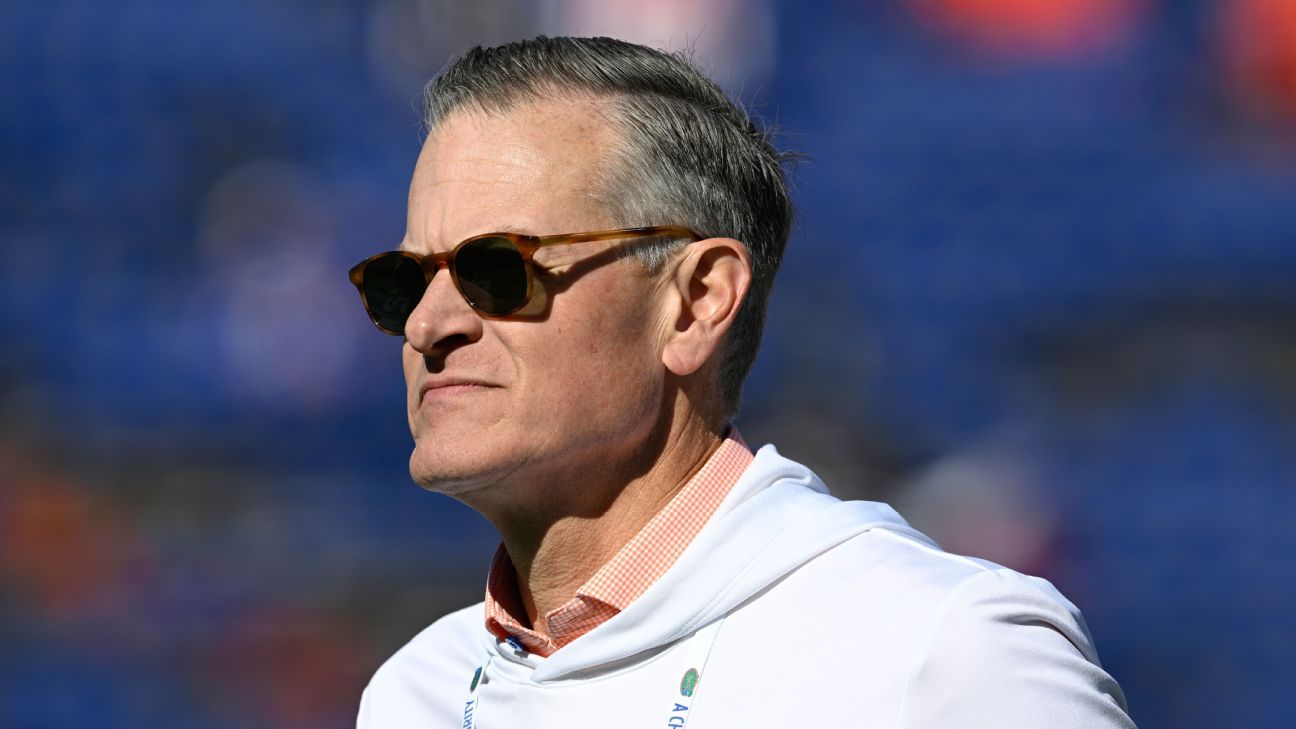
Florida Gators Athletic Director Scott Stricklin Signs Extension Through 2030: A Deep Dive into the Deal and its Implications
The University of Florida has solidified its leadership in athletics, announcing a three-year contract extension for Athletic Director Scott Stricklin, keeping him at the helm through October 2030. This isn’t just a standard renewal; the agreement includes a unique post-tenure role, signaling a long-term commitment to the Gators’ athletic program and a strategic approach to leadership succession.But what does this extension really mean for the University of florida, its athletes, and its fans? Let’s break down the details, explore the context of this decision, and look ahead to the future of Florida Gators athletics.
The New Deal: Beyond the Salary
Effective immediately, Stricklin’s annual base salary will exceed $2 million, a meaningful increase from his previous $1.8 million. The contract allows for potential earnings up to $2.175 million with performance-based bonuses. However, the most noteworthy aspect of the extension is the provision for a five-year role as “Special Assistant to the Athletic Director” beginning in 2030.
This arrangement mirrors the transition experienced by former Florida AD Jeremy Foley, who continued to contribute to the program in an advisory capacity after his retirement in 2016. This structure suggests a desire to retain Stricklin’s institutional knowledge and experience even after a new Athletic director is appointed. details released in response to a public records request (via the Associated Press) outline a $100,000 annual salary for this role,alongside continued benefits,access to the athletic association’s aircraft (valued up to $55,000),an office,administrative support,and complimentary tickets to key sporting events.
A Track Record of Success: Why the Extension?
stricklin’s tenure,beginning in 2016,has been marked by considerable success. During his leadership, the Florida Gators have secured 13 national championships and 44 conference titles. He’s navigated a period of unprecedented change in college athletics, including the implementation of Name, Image, and Likeness (NIL) policies and the evolving landscape of revenue sharing.
Beyond championships, Stricklin has overseen significant facility improvements, including the opening of an $85 million football facility and a $65 million baseball stadium. Perhaps most impressively, preliminary plans are underway for a massive $1 billion renovation of ben Hill Griffin Stadium – “The Swamp” – a project that will ensure the stadium remains a premier college football venue for decades to come. University Athletic Association Website
Key Hires and program Revitalization
Stricklin’s hiring decisions have also been pivotal. He brought in Billy napier as the current football coach, who demonstrated promising momentum at the end of the 2024 season, currently ranked 13th in the AP poll. even more spectacularly, he hired Todd Golden, who led the men’s basketball team to a national championship in his third season – a remarkable turnaround for the program. These hires demonstrate a clear vision for athletic excellence and a willingness to invest in coaches capable of delivering results.
Navigating the Changing Landscape of College Athletics
The extension comes at a critical juncture for college sports. The introduction of the transfer portal, the complexities of NIL, and the ongoing debate surrounding conference realignment are all reshaping the competitive landscape. Stricklin’s experience in navigating these challenges is invaluable. His proactive approach to NIL, ensuring compliance and maximizing opportunities for student-athletes, has been especially noteworthy.NCAA NIL Information
The Succession Plan: A Smooth Transition?
The “Special Assistant” role is a clear indication of a thoughtful succession plan. With the recent appointment of Dr. donald Landry as interim president and a search committee forming to find a permanent leader, the university is preparing for potential administrative changes. The stipulation that Stricklin’s duties as Special Assistant will not “interfere with or undermine” the new AD’s authority is crucial, ensuring a smooth transition and preventing potential conflicts. This structure allows for the continued benefit of Stricklin’s expertise without hindering the incoming Athletic Director’s ability to implement their own vision.
Evergreen Section: The Evolving Role of the Athletic Director
The role of the Athletic Director has dramatically evolved over the past decade. No longer solely focused on fundraising and facility management, today’s AD must be a strategic leader, a skilled negotiator, a compliance expert, and a master communicator. They must navigate complex financial models, manage