Are Artificial Sweeteners Impacting Your Brain Health? A closer Look at Recent Research
Recent research suggests a potential link between the consumption of low- and no-calorie sweeteners (LNCS) and cognitive decline. This has understandably sparked concern, as many of us rely on these sweeteners as a way to reduce sugar intake. Let’s break down what the study found, what it means for you, and what experts are saying.
What Did the Study Reveal?
Researchers investigated the association between daily consumption of artificial sweeteners and cognitive function. Specifically, they focused on aspartame, saccharin, acesulfame K, erythritol, sorbitol, and xylitol. Their findings, published in a leading medical journal, indicated that daily intake of these sweeteners was associated with:
Accelerated decline in memory.
reduced verbal fluency.
Overall diminished cognitive abilities.
However, it’s crucial to note this trend was primarily observed in individuals under the age of 60. This suggests middle-aged adults may be particularly vulnerable to these potential effects.
Were Are These Sweeteners Found?
You might be surprised to learn just how prevalent these sweeteners are in everyday products. They’re commonly found in:
Flavored water.
Low-calorie desserts.
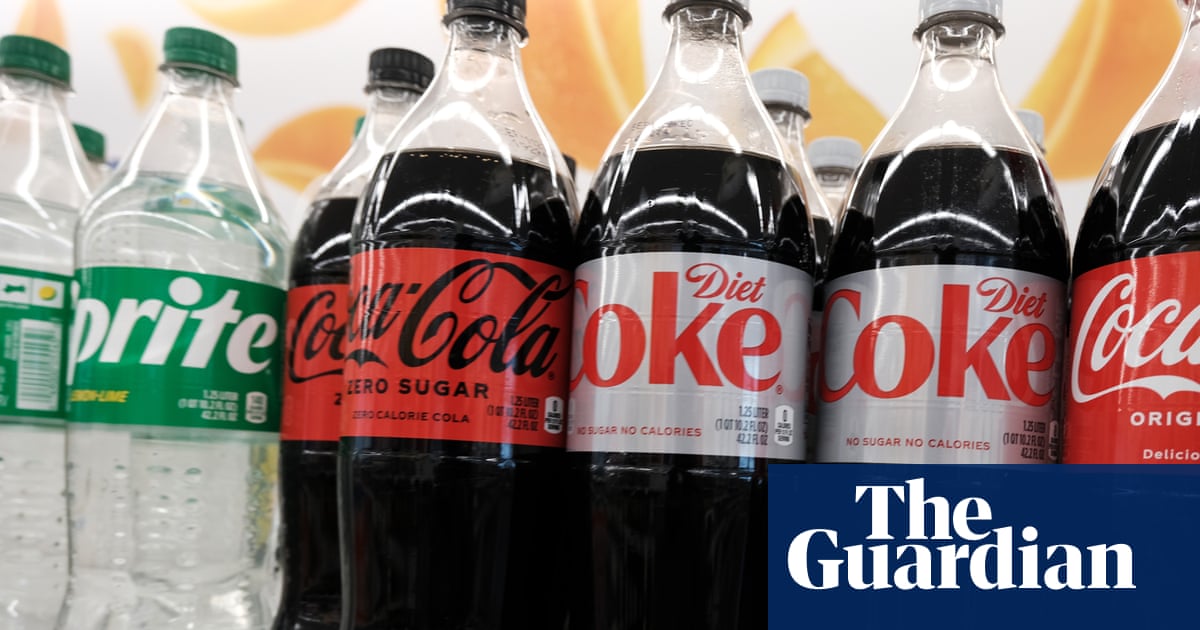
Diet sodas and other soft drinks. Energy drinks.
Certain medications and dental products.
the Perception vs. The Reality
for years, low- and no-calorie sweeteners have been marketed as a healthier alternative to sugar. Many believe they offer a guilt-free way to enjoy sweet tastes without the caloric consequences. However, this research challenges that assumption, suggesting potential long-term impacts on brain health.
industry Response & Important Caveats
Understandably, the food and beverage industry has responded to these findings with caution. Representatives emphasize that the study demonstrates an association, not a direct causal relationship. They point to the established safety record of these sweeteners, as affirmed by leading health authorities worldwide.
It’s critically important to acknowledge these points. Observational studies, like this one, can identify correlations, but they cannot definitively prove that sweeteners cause cognitive decline. Other factors – diet, lifestyle, genetics, underlying health conditions – could also play a significant role.
What Does This Mean For You?
While more research is needed to fully understand the connection,these findings warrant a thoughtful approach to your sweetener consumption. Here’s what you can do:
Be mindful of your intake. Pay attention to how many products containing artificial sweeteners you consume daily.
Consider alternatives. Explore natural sweeteners like stevia or monk fruit in moderation, or gradually reduce your overall reliance on sweet tastes.
Prioritize a whole-foods diet. Focus on nutrient-rich foods that support overall brain health.
Talk to your doctor. discuss your concerns and get personalized advice based on your individual health profile.
The Bottom Line
The relationship between artificial sweeteners and cognitive function is complex and requires further inquiry. For now, it’s wise to approach these sweeteners with awareness and moderation, especially if you are under 60. Prioritizing a healthy lifestyle and a balanced diet remains the best strategy for protecting your brain health as you age.
Worth a look