The fractured Palestinian Dream: Examining the Roadblocks to Reconciliation
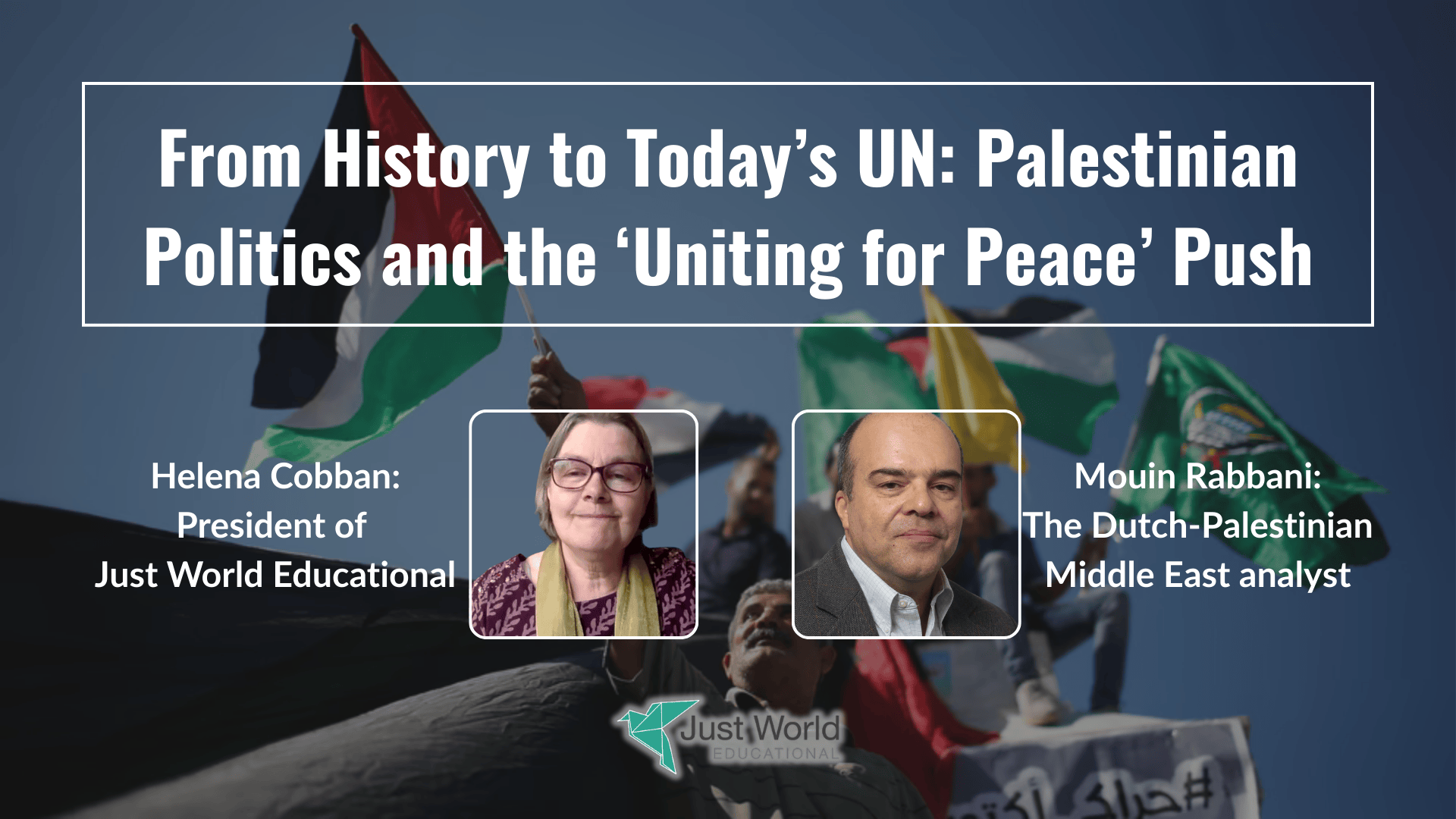
For decades, the pursuit of a sovereign Palestinian state has been hampered not only by external forces but also by deep, internal divisions. The rift between Fatah and Hamas, two dominant forces in Palestinian politics, has repeatedly stalled progress towards unity and self-determination. A recent, insightful interview wiht Dutch-Palestinian political analyst Mouin Rabbani, conducted by Helena and available on JWE’s YouTube channel https://www.youtube.com/watch?v=ewjeIh1sMW0&t=999s,offers a critical examination of how these divisions became entrenched and why reconciliation efforts have consistently faltered.This article delves into the historical context, key players, and potential pathways forward, providing a thorough understanding of this complex issue.
The Erosion of Palestinian Governance: From Arafat to Abbas
Rabbani’s analysis centers on a pivotal shift in Palestinian leadership following the death of Yasser Arafat in 2004. While Arafat, despite his own shortcomings, actively worked to maintain the palestine Liberation Organization (PLO) as a broad national umbrella representing all Palestinians, his successor, Mahmoud Abbas, fundamentally reshaped the Palestinian authority (PA). According to Rabbani, Abbas consolidated power, transforming the PA into an increasingly authoritarian system.
this wasn’t a neutral evolution. Rabbani argues that the PA under Abbas increasingly served the interests of Israel and Western powers rather than prioritizing the needs and aspirations of the Palestinian people. This assertion aligns with recent reports from Human Rights Watch https://www.hrw.org/middle-east/israel-palestine documenting concerns about PA restrictions on freedoms of expression and assembly.
The centralization of power involved dismantling democratic structures within the PLO, effectively turning it into a shell organization.Abbas achieved this through monopolizing decision-making processes and leveraging financial pressure on dissenting voices.Crucially, Western governments, by consistently recognizing Abbas as the sole “legitimate” representative and isolating Hamas, inadvertently reinforced this dynamic, making genuine unity almost unattainable. This external validation of Abbas’s authority, while intended to foster stability, arguably exacerbated the internal fragmentation.
Hamas’s Role and the cycle of Broken Agreements
The interview doesn’t absolve Hamas of duty. Rabbani acknowledges that while the movement demonstrated a degree of willingness to compromise, its overtures were consistently rebuffed by Fatah and the PA leadership. A recurring pattern emerged: agreements were reached – often with significant support from various factions – only to be abandoned when Abbas faced pressure from israel, the United States, or European nations.
This cycle of negotiation and rejection has eroded trust and fueled resentment. A 2023 study by the Palestinian Centre for Policy and Survey Research https://pcpsr.org/en revealed that a significant majority of Palestinians believe neither Fatah nor Hamas genuinely seeks reconciliation, highlighting the depth of public disillusionment. the study also indicated a growing preference for a unified leadership capable of representing all Palestinians.Historical Context: Arafat’s Legacy vs. Abbas’s approach
The conversation between Helena and Rabbani effectively frames the current crisis within a broader historical context. The contrast between Arafat’s approach - preserving the PLO as a national umbrella – and Abbas’s dismantling of those institutions is stark. Arafat,despite facing immense pressure and criticism,understood the importance of maintaining a unified front. Abbas, conversely, reduced representative bodies to instruments of his own rule.
This shift represents, according to Rabbani, one of the most damaging legacies of the post-Oslo period. The Oslo Accords, intended to pave the way for a two-state solution, ultimately created a system that fostered Palestinian division and dependence on external actors. The focus shifted from national liberation to security coordination with israel, further marginalizing those who opposed this approach.
Gaza and the Test of Reconciliation
The current crisis in Gaza serves as a critical test case for Palestinian reconciliation. The immense suffering and devastation underscore the urgent need for a unified response. Rabbani argues that reconciliation isn’t merely desirable; it’s essential for effectively confronting Israeli aggression and leveraging regional and international support.
However, true reconciliation requires more than just a ceasefire or a temporary truce. It demands a fundamental rebuilding of representative institutions and the replacement of leaders who prioritize personal power over the collective interests of the Palestinian people. Without internal unity, palestinians risk remaining vulnerable to external manipulation and unable to achieve their legitimate aspirations for self-determination.
Related reading