The Premier League‘s VAR Crisis: Is Technology Undermining the Beautiful Game?
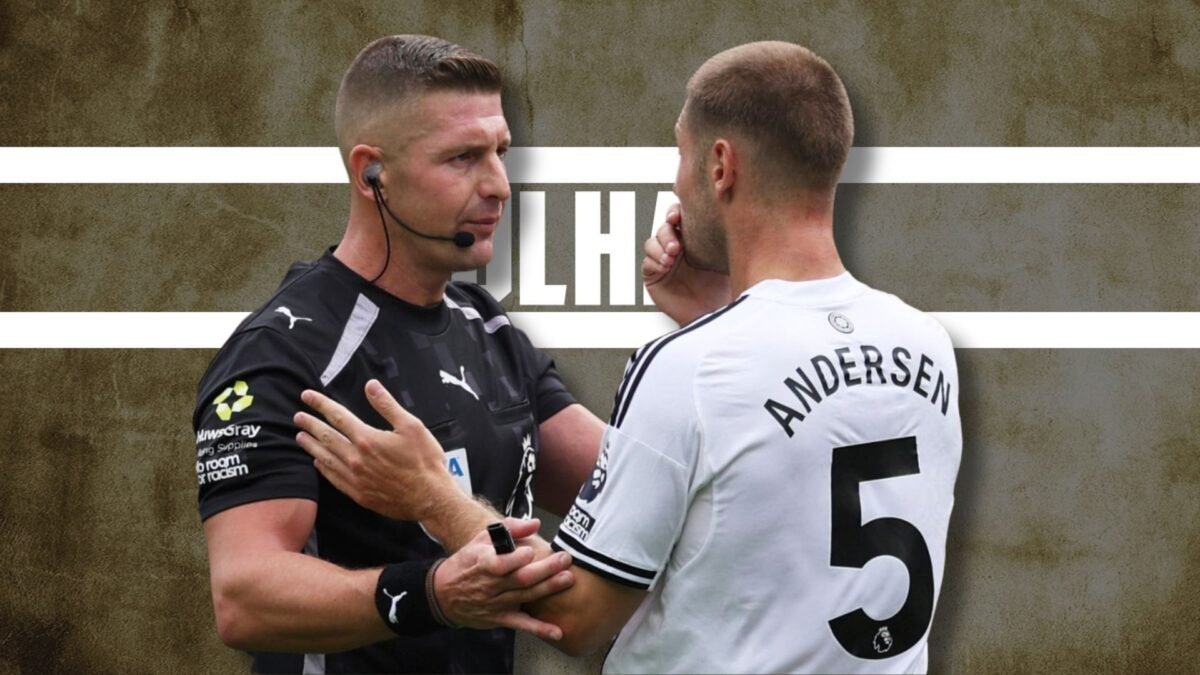
The early weeks of the Premier League season have been dominated not by stunning goals or tactical masterclasses, but by controversy surrounding Video Assistant Referee (VAR) decisions. Two recent incidents involving fulham, both overturned after VAR intervention in matches against Chelsea, have ignited a fierce debate about the future of football officiating. Its a conversation reaching a fever pitch, even drawing criticism from those who know the game best.
This isn’t just fan frustration; it’s a systemic issue. Let’s break down what’s happening,why it’s happening,and what might be done to fix it.
The Growing Disconnect: experts Sound the Alarm
The current state of VAR is leaving even seasoned professionals scratching their heads. Mark Clattenburg, a highly respected former Premier League referee, believes a core problem is developing: referees are becoming overly reliant on VAR, losing confidence in their own judgment.
Alan Shearer, the Premier League’s all-time leading scorer, recently voiced his exasperation, questioning the very principle upon which VAR was introduced – “clear and obvious error.” He argues that VAR officials are now engaging in microscopic scrutiny, essentially re-refereeing games from the comfort of a booth. His assessment? Blunt, but relatable: ”bulls.”
Clattenburg largely agrees. He points to the disallowed Fulham goal as a prime example of VAR overreach. But his critique goes further, questioning Howard Webb, the head of professional Game Match Officials Limited (PGMOL), and his practice of publicly apologizing to clubs for officiating errors. This sets a dangerous precedent, blurring the lines of accountability and fostering further inconsistency.
Why is VAR Failing to Deliver?
The initial promise of VAR was simple: minimum interference, maximum benefit. Right now, it feels like the opposite is true. Here’s a look at the key issues:
The “Clear and Obvious” standard is Lost: VAR is intervening on marginal calls, eroding trust in on-field decisions.
Referees Lack Confidence: Knowing VAR is a safety net, referees might potentially be less decisive, leading to more reviews.
Inconsistent Application: What constitutes a reviewable offense seems to change week to week, frustrating players, managers, and fans alike.
public Apologies Create uncertainty: Webb’s apologies, while seemingly demonstrating accountability, can be interpreted as admitting fault and undermining referee authority.
A Path Forward: Rebuilding Trust and Authority
The solution isn’t necessarily more technology, but a renewed focus on the human element of officiating. Clattenburg suggests Webb’s experience managing referees in MLS, where the game and pressures differ considerably, may not translate effectively to the Premier League.
Here’s what needs to happen:
- Enhanced Referee training: Invest in complete, consistent training for both on-field referees and VAR officials. This should focus on building confidence and fostering a clear understanding of the “clear and obvious error” standard.
- Restore On-field Authority: Referees need to be empowered to make firm decisions, knowing they won’t be second-guessed for every minor detail.
- re-evaluate the Apology Policy: Public apologies should be reserved for truly egregious errors, not marginal calls.
- Focus on the Spirit of the Game:* VAR should be used to correct genuine injustices, not to dissect every nuance of the game.
You, as a passionate football fan, deserve a game decided by skill, strategy, and the referee’s judgment – not endless replays and subjective interpretations.
The core issue is a loss of authority. Referees are second-guessing themselves, knowing VAR is there to correct them. This fundamentally changes their behavior, and not for the better.
With these controversies erupting so early in the season, action is critical. Restoring faith in the system requires a return to basics: training referees to trust their instincts,manage the game effectively,and embrace their role as the ultimate authority on the pitch.
It’s time to remember that football is a game of flow, passion, and human judgment.Let’s ensure technology serves the game, not the other way around.
Keep reading