
Andalusia’s Healthcare System: A Shift Towards Privatization Raises Concerns
Andalusia, a region historically known as a stronghold for the Socialist party, experienced a political shift six years ago with a move towards the centre-right People’s party (PP). Now, a significant transformation is underway within its healthcare system, sparking debate and public concern.
Deteriorating Public Services
Over the past year, access to public healthcare in Andalusia has demonstrably declined. By the summer of 2025, a staggering seven out of ten health centres were closing their doors in the afternoons. Furthermore, over 10,000 hospital beds were marked as “inoperative” as of September.
These closures and limitations aren’t isolated incidents; they represent a broader trend. The current regional government,led by Moreno,is poised to implement large-scale contracts with the private sector – a plan initially announced in 2023. This initiative marks the most considerable privatization effort in Andalusia’s history.
The “Shock Plan” and Private Sector Involvement
in 2023, then-Health Minister Catalina García presented the plan as a “shock plan” designed to address the region’s notoriously long waiting lists. Andalusia has consistently faced the highest waiting times for medical procedures in Spain.
The contracts will involve 38 private companies tasked with performing surgical procedures currently backlogged within the public system. These agreements are set for a two-year duration, with the possibility of extension.
A Systemic Shift, Not Just a Rapid Fix
Though, critics argue this isn’t simply a solution to waiting lists. Aurora Báez Boza, writing for El Salto, points out that these millions are being allocated after six years of policies that have already favored private healthcare at the expense of the public system.
A recent report, published in June by trade unions and the Mareas Blancas group, reveals a concerning allocation of funds. It indicates that nearly half (48.4 percent) of the 2025 budget increase for healthcare will flow directly to private companies. This funding will primarily cover surgical interventions, diagnostic tests, and pharmaceutical expenses.
Resources Diverted, Not Reinforced
The report’s conclusion is stark: this represents a drain on public resources, rather than a strengthening of the public healthcare system. Essentially, funds intended to improve public services are being redirected to private entities.
Public Opposition and Calls for Debate
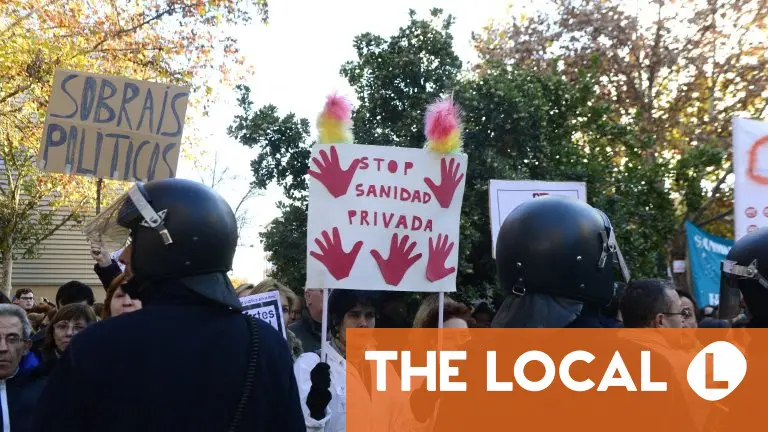
Understandably, this shift has ignited public opposition. Currently, over 57,000 Andalusians have signed a petition demanding a public debate on these changes and advocating for the preservation of their regional public health system.
You deserve access to quality healthcare, and its crucial to understand how these changes might impact yoru access to services. This situation in Andalusia highlights a growing national conversation about the role of private companies in public healthcare and the importance of protecting universal access.


