Escalating Tensions: Israel Responds to Jerusalem Shooting with Gaza Strikes and Evacuation Orders
Following a deadly shooting in Jerusalem, Israel has launched a series of strikes against targets in Gaza, accompanied by urgent evacuation warnings to residents. The situation is rapidly evolving, raising concerns about a further escalation of the ongoing conflict.
The recent violence began with a shooting attack in Jerusalem that left at least one person dead and several wounded. While no group has yet claimed obligation for the attack, Israeli Prime Minister Benjamin Netanyahu has vowed a forceful response. He stated that eliminating the perpetrators and their supporters is insufficient,signaling a broader campaign against perceived terrorist strongholds.
Netanyahu, alongside far-right national Security Minister Itamar Ben-Gvir, visited the scene of the shooting Monday. He then announced his directive to “strike hard against terror strongholds,” echoing previous pledges to dismantle infrastructure within Gaza. “I promised you that we would take down Gaza’s terror towers,and that is exactly what we are doing,” he declared.
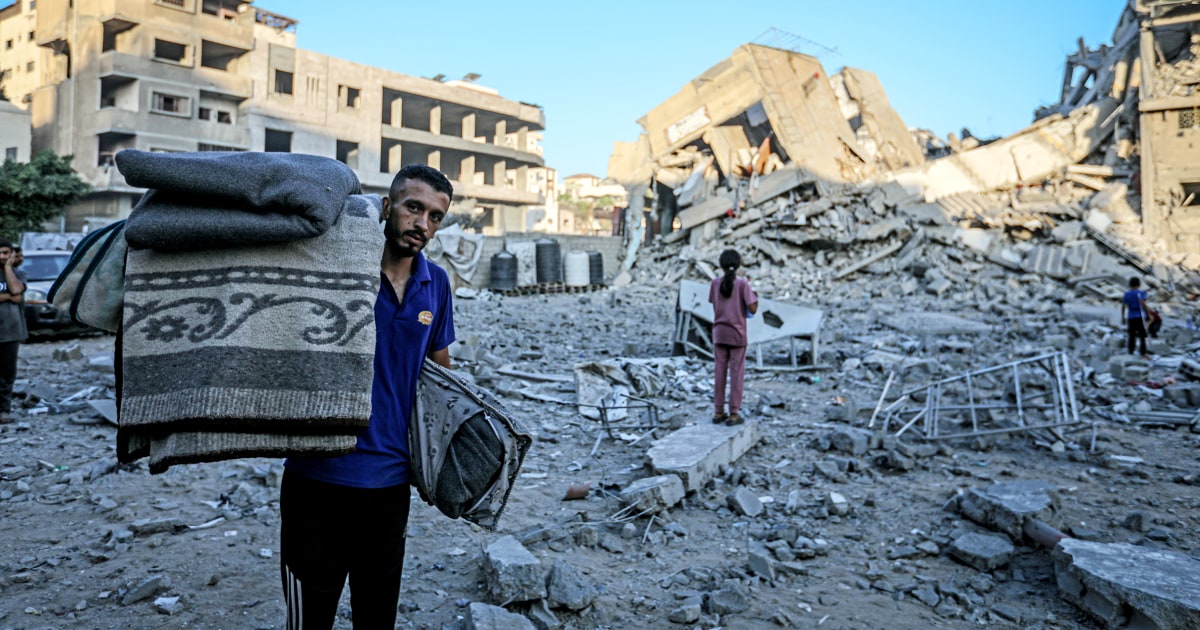
These statements were followed by intensified Israeli airstrikes targeting buildings in Gaza City. Residents have been warned to evacuate, with leaflets dropped from the sky directing them to the al-Mawasi “humanitarian zone” – a designated area approximately 20 miles south.
However, the effectiveness and safety of these humanitarian zones are increasingly questioned. The Israeli military has previously struck areas designated as safe havens, leading many Gazans to distrust the evacuation orders.
Here’s a breakdown of the key developments:
Jerusalem Shooting: A recent attack has triggered the current escalation. Israeli Response: Airstrikes are targeting Gaza, with a focus on infrastructure.
Evacuation Orders: Residents of Gaza City are being urged to move south.
Questionable Safe Zones: The reliability of designated humanitarian areas is under scrutiny.Adding to the volatile atmosphere, ultranationalist minister Ben-Gvir urged Israeli citizens to arm themselves. He also sharply criticized a recent Israeli Supreme Court ruling concerning the dietary conditions of Palestinian prisoners. The court had found the government was depriving prisoners of adequate nutrition.
You might be wondering what this means for the future. The current situation is incredibly fragile. The combination of military action, evacuation orders, and inflammatory rhetoric creates a dangerous habitat.
It’s crucial to understand the context. This escalation occurs against a backdrop of long-standing tensions and a history of conflict between Israel and Palestinian groups. The lack of a clear path toward a lasting peace agreement continues to fuel cycles of violence.
As the situation unfolds, it’s crucial to stay informed and seek out reliable sources of information. The coming days will likely be critical in determining whether this escalation can be contained or will lead to a wider conflict.