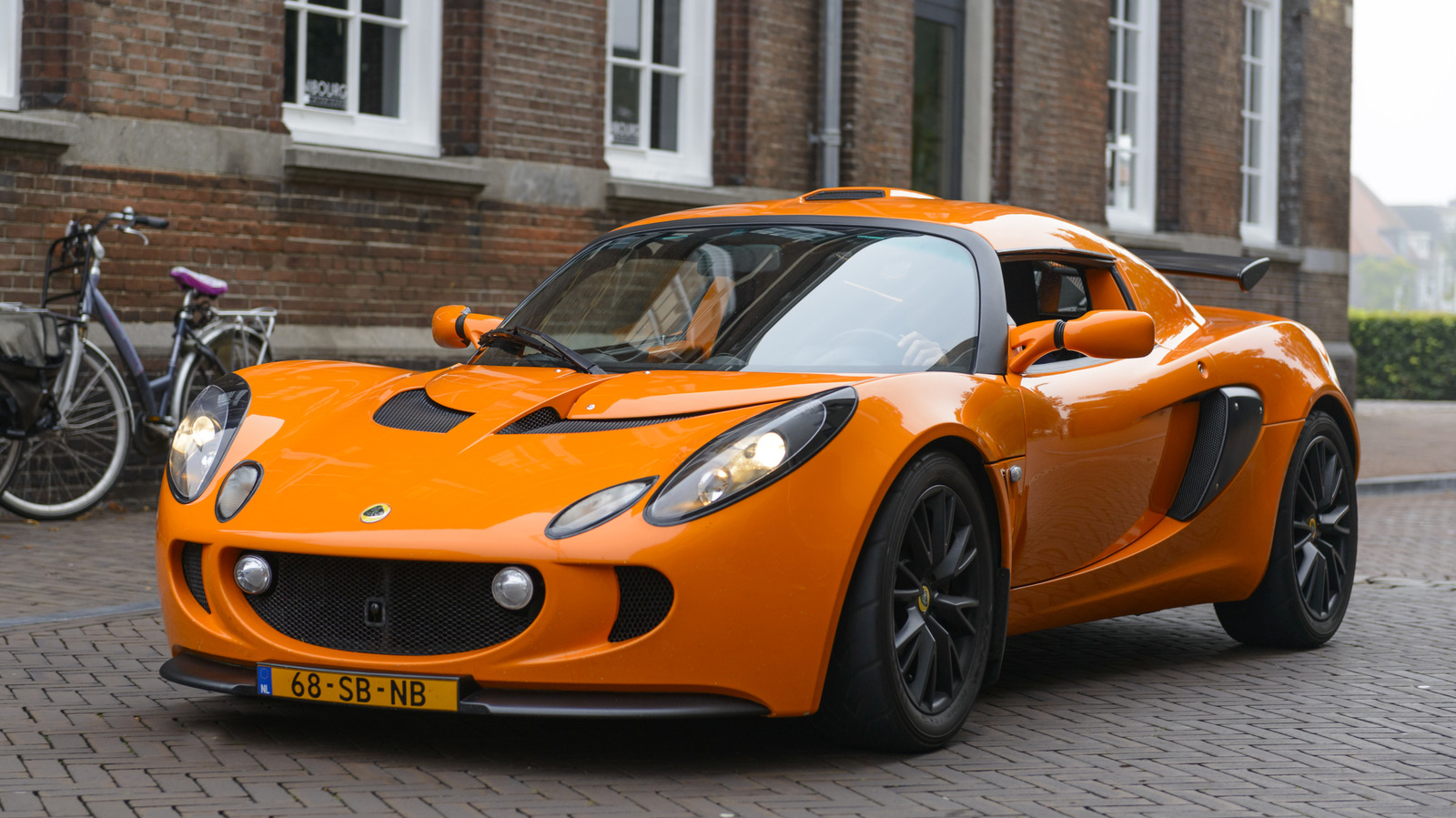
Forgotten Gems: Exploring Discontinued Sports Cars of the 2010s
The world of sports cars is a constantly evolving landscape, filled with both enduring icons and intriguing projects that, for various reasons, never fully blossomed. Sometimes, financial hurdles, shifting market demands, or simply being ahead of their time can lead to a promising vehicle being discontinued. Let’s take a look at a couple of captivating examples from the 2010s that deserve a second glance.
The Spyker B6 Venator: A Dutch Dream Cut Short
Imagine a hand-built, exquisitely designed sports car hailing from the Netherlands. That was the promise of the Spyker B6 Venator. Unveiled in 2013, this vehicle aimed to compete in the affordable performance car segment – a relative term, with a projected price around $134,000.
Unfortunately, the B6 Venator never made it to full production. Financial difficulties ultimately lead Spyker to file for bankruptcy,leaving this stunning concept car as a tantalizing “what if?”
Here’s what made the B6 Venator so compelling:
Engine Potential: Spyker planned to utilize a 3.5L V6 engine sourced from Lotus (based on Toyota technology).
Power Upgrade: They targeted an output of 375 horsepower, exceeding the 345 horsepower found in the supercharged Lotus Evora of the time. Mid-Engine Layout: The B6 Venator would have joined a select group of mid-engined sports cars, offering a unique driving experience.
While the B6 Venator didn’t reach showrooms, it showcased Spyker’s commitment to craftsmanship and performance. Their subsequent vehicle, the C8 Preliator, arrived three years later, but the B6 remains a captivating footnote in automotive history.
The Lotus 3-Eleven: Extreme Performance for the Dedicated Driver
Lotus has a long and storied history of building lightweight, driver-focused sports cars. The 3-Eleven,released after the success of the 2-Eleven,took this ideology to an entirely new level. It was designed to be a no-compromise track weapon, prioritizing aerodynamics and weight savings above all else.
Consider these impressive specifications:
Featherweight Construction: Weighing just 1,962 pounds in race trim, the 3-Eleven boasted an exceptional power-to-weight ratio.
Proven Chassis: It utilized Lotus’ renowned bonded aluminum chassis, first seen on the Exige.
Potent engine: The 3.5L V6 engine delivered a staggering 454 horsepower in Race spec and 404 horsepower in the Road spec.
* Serious Downforce: The 3-Eleven generated up to 474 pounds of downforce at 150 mph (Race model), ensuring astonishing grip and stability.
However, the 3-Eleven’s extreme nature meant it wasn’t road-legal in the United States. Despite this limitation, it became a highly sought-after track car for enthusiasts seeking the ultimate driving experience.If you were looking for a pure,unadulterated sports car in the mid-2010s,the lotus 3-Eleven was a compelling choice.
These discontinued sports cars, while no longer in production, serve as reminders of the innovation and passion that drive the automotive world. They represent bold visions and ambitious projects that, even in their unrealized form, continue to captivate car enthusiasts today.
Worth a look