House Chaos Erupts After Moment of Silence for Charlie Kirk: A Deep Dive into Political Polarization and Procedural Disputes
The somber atmosphere following a moment of silence in the House of Representatives – held for conservative activist Charlie Kirk, who was reportedly shot in Utah - quickly devolved into a heated and public clash between Democrats and Republicans on Wednesday. This incident isn’t simply a recounting of raised voices; its a stark illustration of the deepening political polarization gripping the nation, compounded by disagreements over established House procedures and the sensitive issue of gun violence. But what exactly sparked this outburst, and what does it reveal about the current state of political discourse in America? More importantly, how can we move beyond reactive responses to tragedy and towards constructive solutions?
The Immediate Trigger: A Prayer Request and a Colorado Tragedy
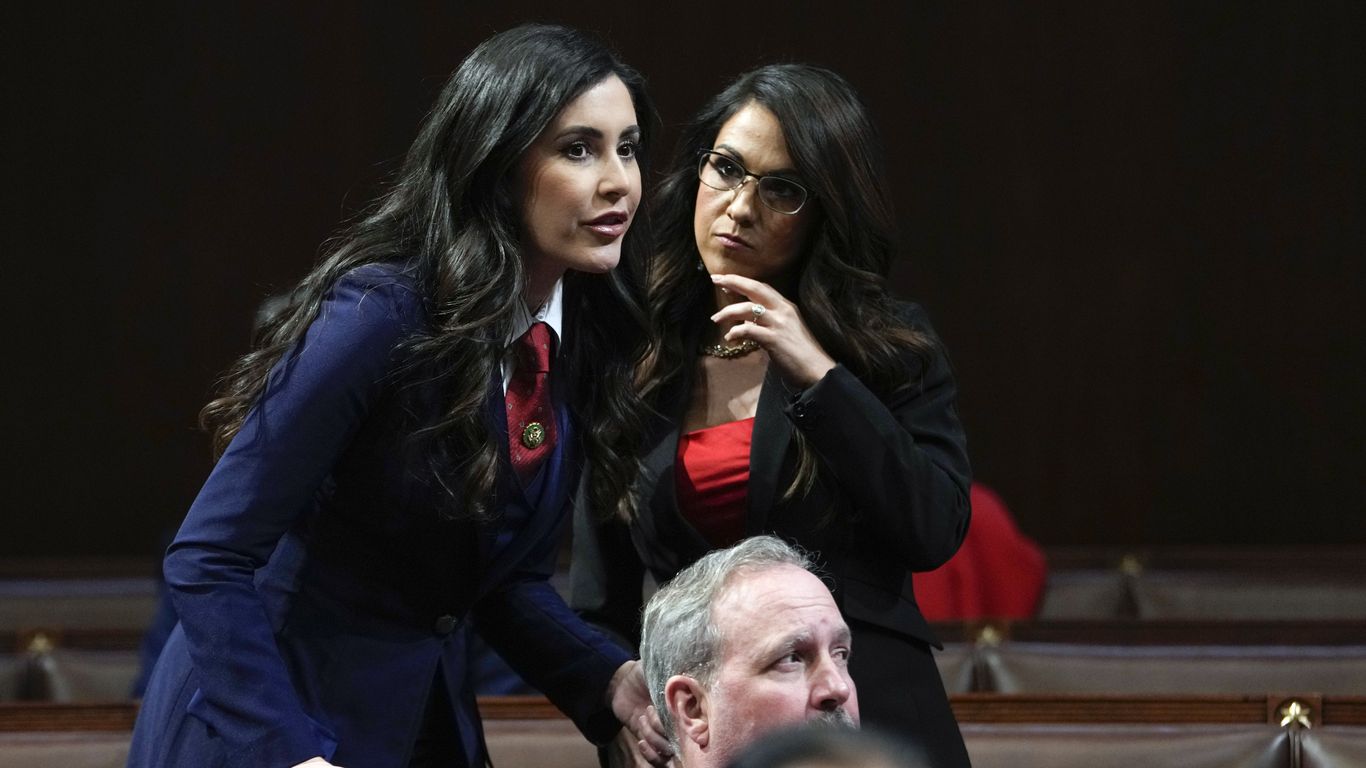
The disruption began when Representative Lauren Boebert (R-CO) requested a prayer for Charlie Kirk instantly after the moment of silence. According to multiple lawmakers present, Boebert intended to then address the recent school shooting in Colorado, but was interrupted by vocal objections from Democratic representatives.
The Democratic response centered around the tragic shooting at an Evergreen, Colorado high school that occurred on the same day. Shouts of “What about the kids in Colorado?” echoed across the House floor, highlighting the perceived disparity in attention given to the two events. This immediate reaction underscores the raw emotions and heightened sensitivities surrounding gun violence, especially in the wake of another school tragedy.
Escalation and Accusations: A Breakdown in Civility
The situation rapidly escalated. Representative Anna Paulina Luna (R-FL), a former colleague of Kirk’s at Turning Point USA, directly accused Democrats of causing the shooting, igniting a furious backlash. Representative Jahana Hayes (D-CT), a prominent voice in gun violence prevention, countered with a passionate plea: “Pass some gun laws!”
This exchange wasn’t merely a disagreement; it was a raw display of frustration and deeply held convictions. The accusations leveled by Luna, while undoubtedly fueled by emotion, are particularly concerning, contributing to a climate of blame and hindering productive dialog. the call for gun laws from Hayes, while understandable, was met with resistance, demonstrating the entrenched positions on both sides of the debate.
Beyond the Outburst: Procedural Concerns and a History of Precedent
While the emotional responses are critically important, a crucial element of this story lies in the procedural debate. Democrats argued that granting Boebert’s request for a prayer would deviate from established House protocol. Representative Joe Morelle (D-NY), ranking member of the House Governance Committee, explained that offering prayers on the floor in response to tragedies is not standard practice, even for fallen members of Congress.
This raises a critical question: should the House adhere strictly to precedent, even in emotionally charged situations? Or is there room for flexibility to acknowledge individual tragedies and offer solace to those affected? Morelle’s point highlights the importance of consistent request of rules to avoid perceptions of favoritism or political maneuvering. The concern is that creating exceptions, even with good intentions, can erode trust and lead to further instability.
Differing Perspectives: Classless Conduct and Revolting obstruction
The incident drew condemnation from across the aisle,albeit with differing focuses. Representative Susie Lee (D-NV) described the scene as a “reminder that we need to turn the temperature down in this country,” emphasizing the dangers of political violence and the counterproductive nature of heated rhetoric. Representative Dan Meuser (R-PA) labeled the scene “classless,” criticizing behavior on both sides, suggesting a shared responsibility for the breakdown in decorum.
Tho, Representative Luna vehemently disagreed, accusing democrats of “disgusting” obstruction and urging Speaker Mike Johnson (R-LA) to allow a prayer for Kirk despite the objections. This divergence in viewpoint underscores the fundamental disconnect in how each party views the situation - one emphasizing the need for unity and de-escalation, the other prioritizing the recognition of a specific tragedy.
Evergreen Insights: The Erosion of Civility in American Politics
This incident isn’t an isolated event. It’s part of a broader trend of increasing polarization and declining civility in American politics. The rise of social media,the 24/7 news cycle,and the increasing influence of partisan media have all contributed to a climate where compromise is often seen as weakness and demonizing the opposition is commonplace.
The consequences of this erosion of civility are far-reaching. It hinders our ability to address critical challenges, fuels distrust in institutions, and ultimately threatens the foundations of our democracy. Rebuilding trust and fostering constructive dialogue requires a conscious effort from individuals,