South Korean Investment in the US Faces Headwinds After Worker Detentions
A recent series of detentions has thrown a spotlight on the complexities facing south Korean companies investing in the United States, prompting a high-stakes diplomatic effort and raising concerns about future investment. The incident, involving hundreds of workers at a hyundai Motor Group facility, has escalated into a potential snag in the burgeoning economic partnership between Seoul and Washington.
The Initial Crisis:
Initially, a large-scale raid led to the arrest of 317 South Korean workers involved in the construction of a $7.6 billion hyundai electric vehicle battery plant in Georgia. These workers were detained due to questions surrounding their visa status and work authorization.Consequently, this triggered an immediate and forceful response from Seoul.
* South Korea’s Foreign Minister, Cho Hyun, swiftly traveled to Washington to meet with secretary of State Marco Rubio.
* The demand was clear: secure the workers’ release without jeopardizing their ability to travel to the US for future business.
* Together, top executives from Hyundai and LG Energy Solution rushed to Georgia to manage the unfolding crisis.
Impact on Hyundai’s Expansion:
Hyundai’s president and CEO, José Muñoz, estimated the construction of the Georgia plant will be delayed by two to three months. This facility is a cornerstone of Hyundai’s ambitious expansion plans in the US market. It represents a significant investment and was slated to begin operations by the end of the year.
A Delicate Resolution:
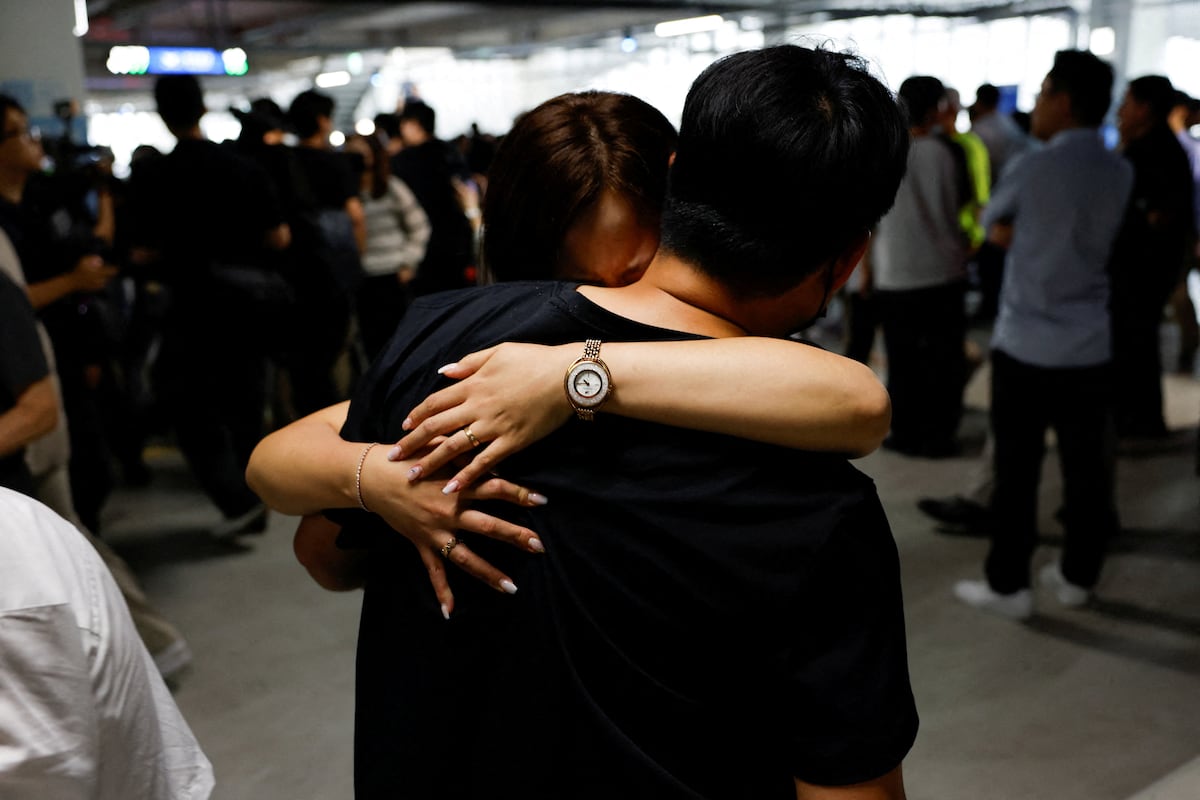
After intense negotiations,a solution was reached. Instead of deportation, the detained workers would be allowed to leave voluntarily. This approach aimed to minimize the legal repercussions for those involved. Remarkably,only one of the 317 South korean nationals chose to remain in the US,intending to pursue legal residency.
The repatriation flight, operated by Korean Air, also carried 10 Chinese, three Japanese, and one indonesian citizen who had been detained.This highlights the broader implications of the visa scrutiny.
Escalating concerns from Seoul:
The South Korean President has expressed strong concerns about the incident. He warned that the detentions have created “extreme confusion” for Korean businesses operating in the US. Furthermore, he emphasized the potential for “serious” repercussions on future direct investment.
* He underscored the common practice of South Korean companies sending personnel to oversee the setup of overseas factories.
* Seoul is now urging the US Congress to consider a new visa category specifically designed for this purpose.
* Without such a visa, the President cautioned, establishing manufacturing plants in the US could become increasingly difficult and less attractive.
threat to a Bilateral Deal?
These concerns arrive at a sensitive time. Just weeks prior, Seoul and Washington had tentatively agreed to a $350 billion investment package. In exchange, the US pledged to reduce tariffs on South Korean products from 25% to 15%. However, this agreement is still pending finalization and now faces new uncertainty.
What This Means for You:
If you’re a business owner considering investment in the US, this situation serves as a crucial reminder of the potential challenges. Navigating US immigration laws and visa requirements can be complex. It’s essential to:
* Prioritize compliance: Ensure all personnel have the appropriate visas and work authorizations before deployment.
* stay informed: Keep abreast of any changes in US immigration policies.
* Seek expert guidance: Consult with legal professionals specializing in US immigration law.
This incident underscores the need for clear communication and collaboration between the US and South Korea to foster a stable and predictable investment habitat. The future of this vital economic partnership may depend on it.
Related reading