
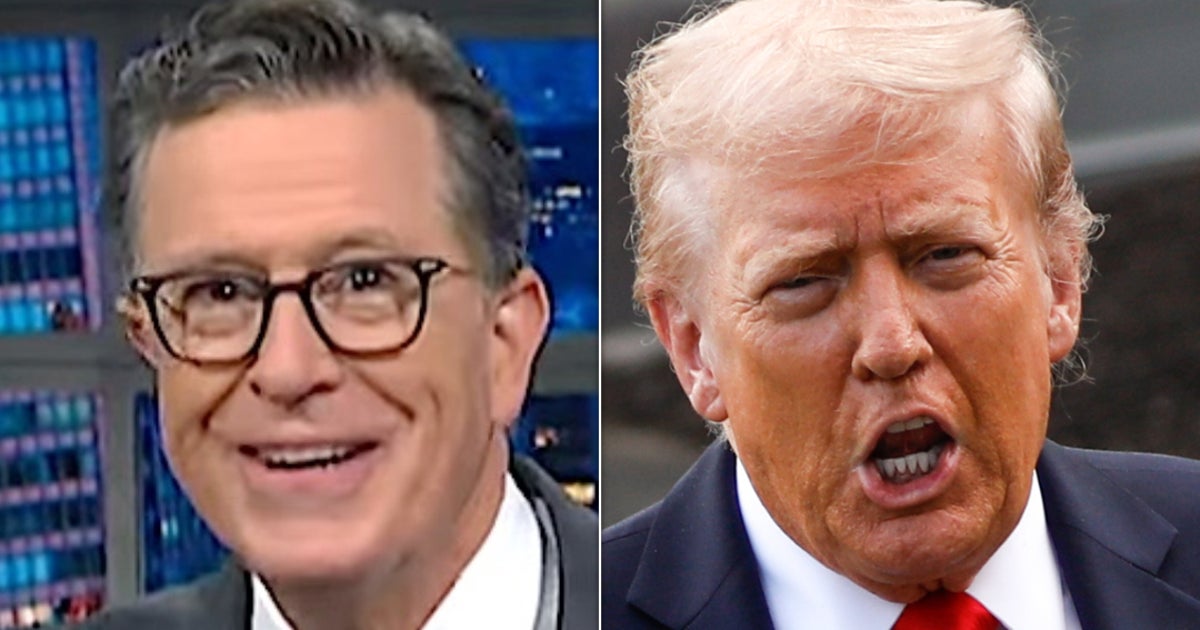
The Line Between Humor and Harm: Examining Stephen Colbert‘s Controversial Trump Joke
Stephen Colbert, a prominent figure in late-night television, recently sparked considerable debate with a joke targeting former President Donald Trump. The monologue segment, intended as satire, ignited a firestorm of criticism, raising crucial questions about the boundaries of comedic expression and its potential impact. Let’s delve into the details, the fallout, and the broader implications of this incident.
What Exactly Happened?
Colbert’s joke centered around a comparison between Trump and the devil. While employing a satirical framework, the analogy drew sharp reactions, with many finding it deeply offensive and inappropriate. The segment quickly went viral, fueling discussions across social media and news outlets.
Why the Backlash?
Several factors contributed to the intense reaction.
* The Nature of the Comparison: Equating a former president to a demonic figure is inherently provocative.
* Political Polarization: The current political climate is highly charged, making any criticism of prominent figures susceptible to strong responses.
* Perceptions of Incitement: Some critics argued the joke could be interpreted as inciting violence or hatred.
* Double Standards: Discussions arose regarding differing standards applied to comedic critiques of figures across the political spectrum.
The Role of Satire and Its Limits
Satire has long been a powerful tool for social and political commentary. It utilizes humor, irony, exaggeration, or ridicule to expose and criticize people’s stupidity or vices, particularly in the context of contemporary politics and other topical issues. However, even satire isn’t without limits.
* Intent vs. Impact: A comedian’s intent doesn’t negate the potential harm caused by their words.
* Obligation and Accountability: Public figures, including comedians, bear a responsibility for the messages they convey.
* The Line Between Critique and Personal Attack: effective satire targets ideas and policies, while crossing into personal attacks can undermine its credibility.
Navigating the complexities of Comedy in a Divided World
This incident highlights the increasing challenges of crafting comedy in a deeply divided society. What one person finds humorous, another may find offensive.
* Audience Awareness: Comedians must be mindful of their audience and the potential interpretations of their material.
* Context Matters: The surrounding context, including current events and societal sensitivities, plays a crucial role in how a joke is received.
* The Importance of Dialog: Open and honest conversations about the boundaries of humor are essential for fostering understanding and respect.
What Does This Mean for the Future of Political Comedy?
The Colbert controversy is highly likely to fuel ongoing debates about the role of comedy in public discourse. It prompts us to consider:
* Will comedians self-censor? The fear of backlash may lead some to avoid controversial topics.
* Will audiences become more discerning? Viewers may demand greater accountability from comedians.
* Will the definition of “acceptable” humor continue to evolve? Societal norms and sensitivities are constantly changing.
Ultimately, the incident serves as a reminder that humor, while powerful, is not immune to consequences. It underscores the need for careful consideration, responsible expression, and a willingness to engage in constructive dialogue about the boundaries of comedic license. You, as a consumer of media, are empowered to critically evaluate the messages you encounter and contribute to a more informed and respectful public conversation.


