The Crushing Impact of US Travel Restrictions on International Students: Lost Dreams and a Shifting Global Landscape
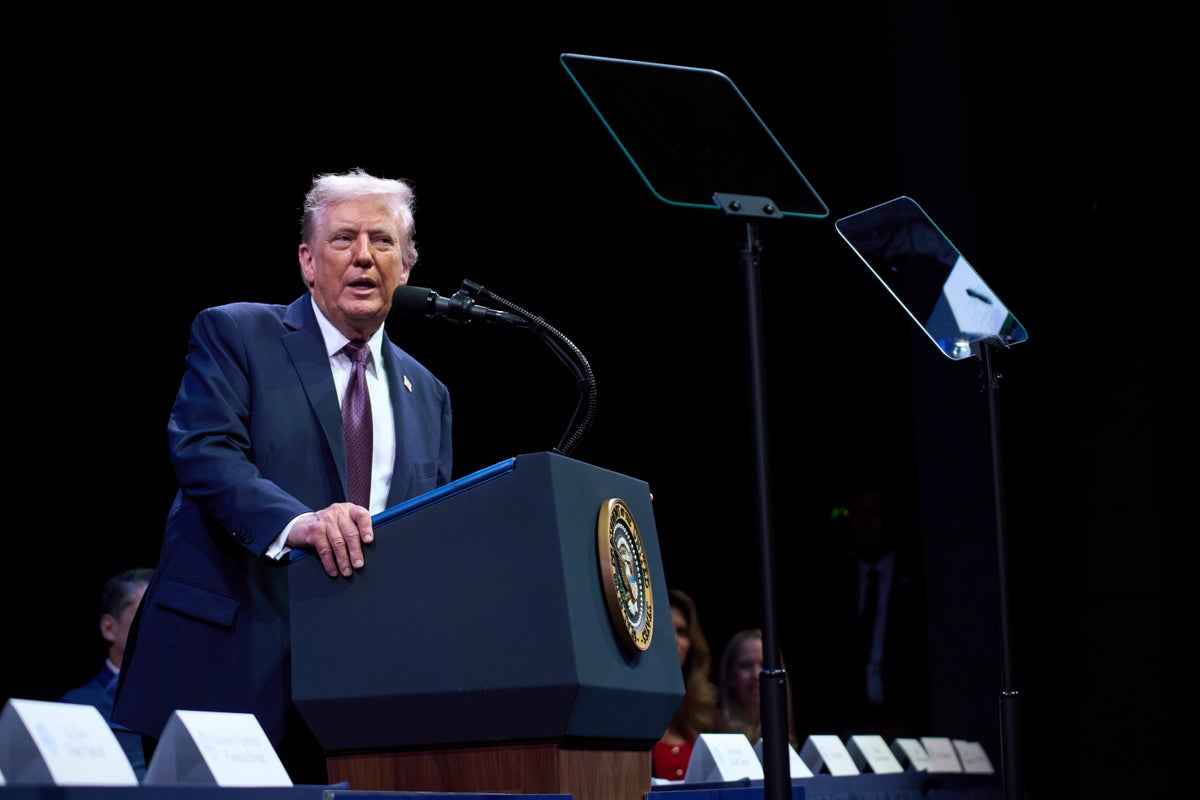
For decades, the United States has been a beacon for international students, attracting the brightest minds from across the globe. Though,recent and ongoing travel restrictions,initially implemented under the Trump administration and continuing to evolve,are severely disrupting these educational pathways,leaving promising students stranded and forcing a re-evaluation of the US as a destination for higher learning.This isn’t simply a matter of individual disappointment; it’s a strategic issue impacting American competitiveness, innovation, and its standing on the world stage.
Understanding the current Restrictions
The current landscape is complex. A full travel ban, impacting citizens from 12 countries – spanning Africa, Asia, the Middle East, and the Caribbean – remains largely in affect, severely limiting the ability of individuals from these nations to obtain new visas. While exemptions exist for green card holders,dual citizens,and certain athletes,the restrictions disproportionately affect students seeking to pursue higher education. Furthermore, seven additional countries face tighter restrictions specifically impacting student visa applications.
The justification offered for these policies, as articulated by the previous administration, centers on concerns regarding visa overstay rates and perceived national security threats stemming from unstable or adversarial governments.The claim is that screening processes in these countries are “deficient” and require remediation before restrictions can be lifted. However, critics argue that these policies are overly broad, lack clear evidentiary support, and inflict significant collateral damage on legitimate students with genuine aspirations.
The Human Cost: Stories of Disrupted Futures
Beyond the policy details,the real impact of these restrictions is felt in the shattered dreams of individual students. The stories emerging from affected countries are heartbreaking.
Consider Gu Gu, an 18-year-old from myanmar. His family sacrificed considerably, saving for years to enable him to pursue a college education in the United States, viewing it as a pathway to a better life. Acceptance to the University of South Florida was met with joyous festivity, only to be extinguished by the sudden proclamation of the travel ban. For Gu Gu, the opportunity represented not just academic advancement, but a refuge from the escalating civil war in Myanmar, a chance to experience basic freedoms – walking to school without fear, participating in sports – that are now unimaginable in his homeland. His acceptance was non-deferrable, leaving him with no immediate path forward.
Similarly, Saghari, a student from afghanistan, faced a cascade of obstacles. Her visa interview was postponed and ultimately canceled due to the ban. Attempts to secure admission to European universities were hampered by bureaucratic hurdles, including the need for re-testing on English proficiency despite already possessing a valid score. She now faces the prospect of paying tuition upfront at a Polish university,a financial burden her family may struggle to meet.
The impact extends beyond prospective students. Amir, a 28-year-old Iranian graduate, lost a fully funded research position at the University of Pennsylvania.While his professor offered to postpone the appointment, Amir feels the opportunity is slipping away, forcing him to explore alternatives in Europe – a process requiring additional applications and potentially language acquisition.
These stories highlight a common thread: the erosion of hope and the disillusionment felt by talented individuals who believed hard work and merit would open doors. As Amir poignantly states, “you learn that, no, maybe people don’t want you there. That’s kind of hard to deal with.”
A Shift in Global Educational Landscape
The US travel restrictions aren’t occurring in a vacuum. They are coinciding with a broader shift in the global educational landscape. Countries like canada, Germany, Australia, and increasingly, nations within the European Union, are actively courting international students with more welcoming immigration policies and streamlined request processes.
this creates a competitive disadvantage for the US. Not only are we losing potential students, but we are also potentially driving them towards countries that may become future economic and technological rivals. the loss of these bright minds represents a significant drain on American innovation and long-term economic growth.
What Needs to Change?
Addressing this issue requires a multi-faceted approach:
* Re-evaluation of the Ban: A thorough and transparent review of the travel ban is crucial, based on data-driven analysis rather than broad generalizations. The focus should be on legitimate security concerns, not on collective punishment.
* Streamlined Visa Processing: Even without lifting the ban entirely, improving the efficiency and transparency of the visa application process is essential. Long wait times and unpredictable decisions create unnecessary barriers for legitimate students.
* Proactive Outreach: US universities and government agencies should actively engage with prospective students from affected countries, providing clear guidance and support throughout the application process.
* **Investment in International Education
- Second-Party Audits: Securing Food Industry Supplier Quality
- Former Olympian Demands Access to Closed-Door Testimony in Lincoln Memorial Vandalism Case
- Trump to Meet Zelensky at White House Amid Shift Toward Military Cooperation (time.news)
- TravelAI Acquires Sonder Brand to Launch AI-Powered Travel Curation Site (newsdirectory3.com)