Vuelta a España Faces Disruption Amidst Pro-Palestine protests and Security Concerns
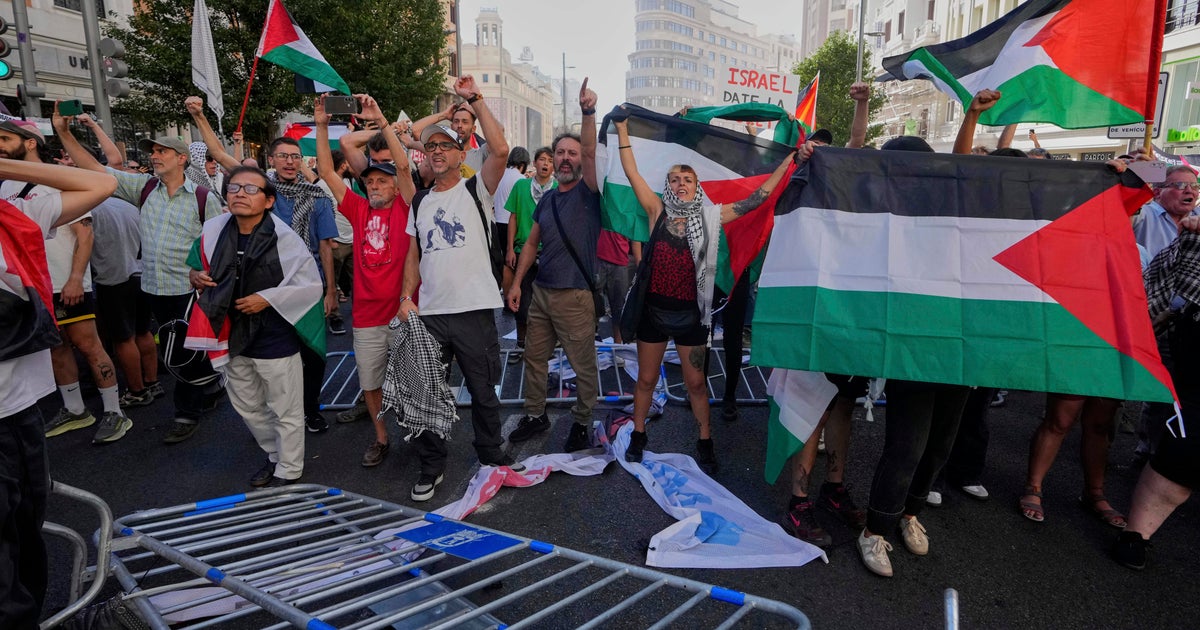
The Vuelta a España, one of cycling’s three grand tours, has experienced meaningful disruption in its final stages due to a surge in protests related to the Israeli-palestinian conflict. These demonstrations have prompted heightened security measures and alterations to the race route, raising questions about the intersection of sports and political activism.
A Race Under Pressure
Several stages over the last eleven days have been either shortened or temporarily halted due to protester activity. More than 20 individuals have been taken into police custody as a result. I’ve found that these disruptions highlight the growing willingness of activists to use high-profile sporting events to draw attention to their causes.
During one especially concerning incident, a protester attempted to run onto the course carrying a Palestinian flag. This led to a crash involving two riders, ultimately forcing one to withdraw from the competition. The route of the concluding stage was also reduced by 5 kilometers (3.1 miles) due to anticipated traffic issues stemming from planned protests.
Political Context and International recognition
These demonstrations occur against a backdrop of increasing international recognition of Palestinian statehood. Spain, along with Ireland and Norway, formally recognized a palestinian state last year. Furthermore, Spain took the unprecedented step of requesting permission from the International Court of Justice to support South Africa’s case accusing Israel of genocide.
Security Response and Anticipated Protests
Authorities have responded to the escalating situation with a substantial increase in security personnel. Approximately 130 officers were already accompanying the race, and this number was bolstered for the final stage in Madrid. You can picture the scene: military-style trucks, officers equipped for riot control, and even mounted police were deployed along the route.
Officials anticipated around 6,000 protesters converging on the Spanish capital alongside an estimated 50,000 fans.This presented a significant logistical challenge for security forces aiming to maintain order and ensure the safety of both participants and spectators.
A Delicate Balance
The events surrounding the Vuelta a España underscore the complex challenges faced by sporting events in navigating politically charged environments. Balancing the rights of protesters with the need to ensure the safety and smooth operation of the competition is a delicate act. He believes that organizers and authorities must proactively address potential disruptions while respecting fundamental freedoms of expression.
Ultimately, the Vuelta a España’s experience serves as a reminder that even the world of professional cycling is not immune to the broader political currents shaping our world. it’s a situation that will likely prompt further discussion about the role of sports in addressing global issues and the responsibilities of event organizers in managing potential conflicts.
Keep reading