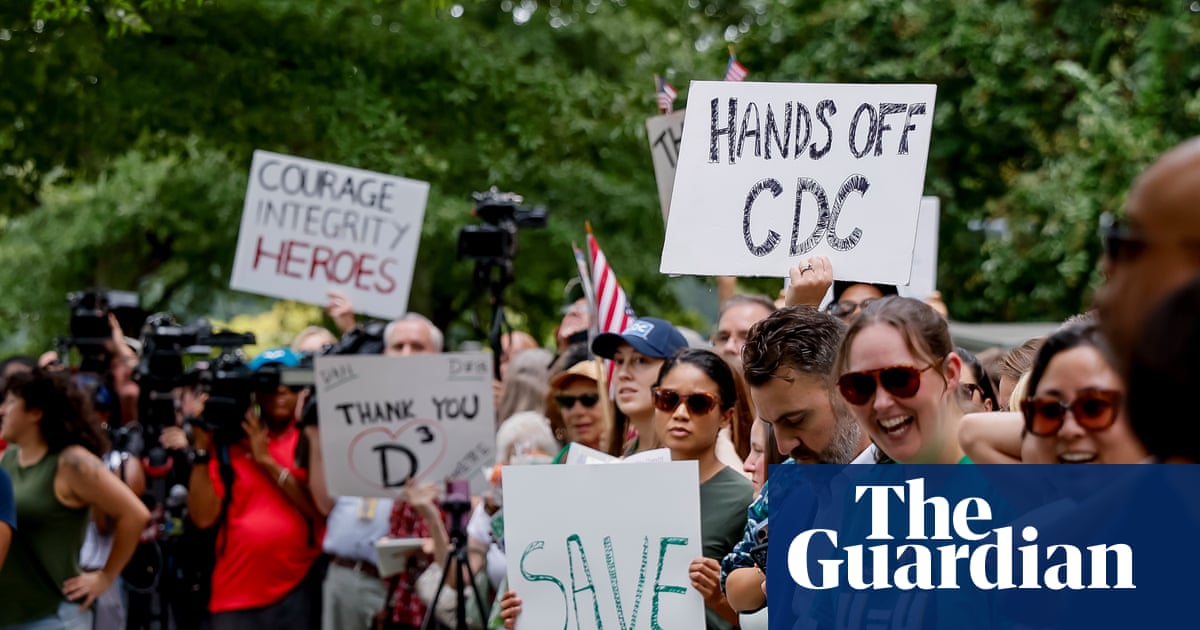
The Growing Concerns Over changes at the CDC and Public Health Preparedness
A sense of unease is building within the public health community regarding recent shifts in leadership and direction at the Centers for Disease Control and Prevention (CDC). These changes, coupled with a perceived lack of engagement with seasoned experts, are raising serious questions about America’s readiness to face emerging health threats.
It’s a critical moment, as we’re simultaneously navigating ongoing concerns like bird flu and the potential resurgence of diseases like measles and Ebola. Now is not the time to weaken our defenses.
A Question of Leadership & Expertise
The current acting director of the CDC possesses a background in biotechnology investment,but lacks formal training in medicine or public health. This is a notable departure from the conventional qualifications for this pivotal role.
Consider this: would you want a mechanic performing brain surgery? The CDC director needs a deep understanding of epidemiology, infectious diseases, and public health infrastructure. It’s about having the right expertise to guide us thru complex health crises.
this lack of traditional public health experience is particularly concerning given the increasing complexity of global health challenges. We’re facing a world where new pathogens can emerge and spread rapidly.
The Risk of Disconnection
Perhaps even more alarming is the reported lack of briefings between the new leadership and experienced CDC personnel. This disconnect is akin to military generals planning a war without consulting their field commanders.
Here’s what’s at stake:
* Delayed Response: Without input from those on the ground, critical information might potentially be missed, slowing down our ability to react to outbreaks.
* Ineffective Strategies: Strategies developed in isolation may not be practical or effective in real-world scenarios.
* Erosion of Trust: A lack of communication can erode trust between leadership and the dedicated professionals who work tirelessly to protect public health.
You might not feel the impact of these changes today. However, the consequences often become painfully clear during an emergency. It’s then, when swift and informed action is crucial, that we realize the importance of preparedness.
Why This Matters to You
Public health isn’t just about statistics and scientific studies. It’s about your health, your family’s well-being, and the safety of your community.
Think about it:
* Measles outbreaks can put unvaccinated children at risk.
* A new strain of influenza could overwhelm our healthcare system.
* The re-emergence of Ebola demands a rapid and coordinated response.
These aren’t hypothetical scenarios.Thay are real threats that require constant vigilance and a well-prepared public health infrastructure.
The Time for Questions
It’s essential that Americans ask tough questions about the direction of the CDC. Are we adequately protected? Is the leadership equipped to handle the challenges ahead? Are we listening to the experts who have dedicated their careers to public health?
These aren’t questions to be ignored.They are fundamental to ensuring a healthy and secure future for all of us. Because when it comes to public health, being proactive is far more effective – and less costly – than reacting to a crisis.
Worth a look