
The Ongoing Threat of Cluster Munitions: A 2025 Status Report
Cluster munitions, indiscriminate weapons that disperse smaller bomblets over a wide area, remain a grave threat to civilian populations worldwide, despite notable international efforts to ban their use. A new report from the Cluster Munition Coalition,the 2025 Cluster Munition Monitor,paints a complex picture of progress and alarming setbacks,highlighting both the successes of the Convention on Cluster Munitions and the continued,devastating impact of these weapons.
A Convention Under Strain, But Still Saving Lives
Adopted in 2008, the Convention on Cluster Munitions has been instrumental in reducing the harm caused by these inherently indiscriminate weapons. To date, 112 countries have ratified the treaty, and crucially, none of these states have used cluster munitions as its adoption. this represents a significant victory for humanitarian principles and civilian protection.
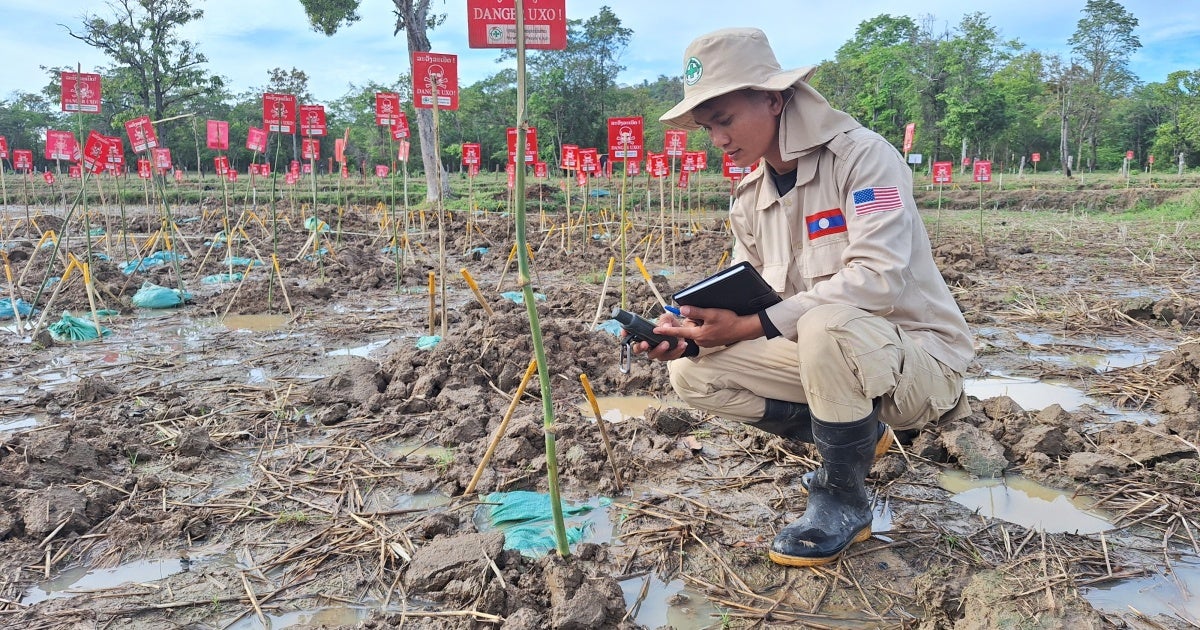
The convention’s impact extends beyond simply preventing new attacks. Member states have diligently worked to clear contaminated land, destroying a record 83,452 unexploded submunitions and other remnants in 2024 alone - covering over 100 square kilometers. Furthermore, by the end of 2023, all signatory nations had eliminated their stockpiles, destroying a staggering 1.49 million cluster munitions and 179 million submunitions.
However, the convention is facing new challenges. Lithuania’s recent withdrawal in March 2025 has been widely condemned by 47 countries, signaling a potential weakening of the international norm against these weapons. This move underscores the need for continued diplomatic pressure and reaffirmation of the convention’s principles.
Continued Use and Devastating Consequences
Despite the progress made,cluster munitions continue to be used in active conflicts,resulting in unacceptable civilian harm. The report details documented use in Ukraine, Myanmar, Syria, and even alleged use in conflicts between Thailand and Cambodia, and a claimed attack involving Iran and Israel.
The situation in Ukraine is especially concerning. Both Russia and Ukraine, neither of which are signatories to the convention, have employed cluster munitions extensively. Russia has utilized both older stocks and newly developed models since 2022, while the United States, also not a treaty member, announced at least seven transfers of cluster munitions to Ukraine between July 2023 and October 2024.
The inherent danger of cluster munitions lies in their high failure rate. Many bomblets fail to explode on impact, becoming de facto landmines that can indiscriminately injure and kill civilians for years to come. This creates a long-term humanitarian crisis, requiring extensive and costly clearance operations.
Civilian casualties Remain Unacceptably High
Even with the overall decrease in annual casualties since the convention’s adoption, the human cost remains devastating. In 2024, all reported casualties from cluster munitions were civilians, with children accounting for a shocking 42% of those affected. These figures underscore the urgent need for increased land clearance efforts and comprehensive assistance to victims.
Regrettably, many affected countries struggle to provide adequate support to survivors, hampered by funding cuts from donor states. This lack of resources exacerbates the suffering of those already impacted by these weapons, hindering their rehabilitation and reintegration into society.
Looking Ahead: Reinforcing the Norm
“The Convention on Cluster Munitions has over many years made significant progress in reducing the human suffering caused by cluster munitions,” says Sarah Hiznay, a leading researcher with the Cluster Munition Coalition.”Governments should now act to reinforce the stigma against these indiscriminate weapons and condemn their continued use.”
The 2025 Cluster Munition Monitor serves as a critical reminder that the fight against cluster munitions is far from over. Strengthening the convention, promoting worldwide adherence, and ensuring adequate resources for victim assistance and land clearance are essential steps towards a world free from the threat of these devastating weapons. The report will be formally presented to nations at the 13th meeting of the Convention on Cluster Munitions at the United Nations in Geneva on September 16-19, offering a crucial platform for dialog and renewed commitment to this vital humanitarian cause.
Resources:
* Human Rights Watch - Russia
* Human Rights Watch – Ukraine
* [Human Rights Watch – United States](https://www.hrw.org/united-


