the Enduring Appeal of Noir and Neo-noir in Crime Cinema
The world of crime fiction on film is a captivating one, and few genres have left as indelible a mark as noir and its modern counterpart, neo-noir. These styles aren’t just about shadowy figures and thrilling plots; they delve into the darker aspects of human nature, exploring themes of fate, morality, and the often-thin line between good and evil.
A Legacy of Darkness: Noir’s Foundations
Initially flourishing in the 1940s and 50s,classic noir films established a distinct visual style. Think stark black and white cinematography, dramatic lighting, and a pervasive sense of cynicism. These films often featured hardboiled detectives, femme fatales, and stories steeped in moral ambiguity.
Here are some defining characteristics of classic noir:
* Fatalism: Characters often feel trapped by circumstances beyond their control.
* Moral Ambiguity: Heroes aren’t always heroic, and villains aren’t always entirely evil.
* Visual Style: Low-key lighting, skewed camera angles, and urban settings create a sense of unease.
* Themes of Corruption: Power,greed,and betrayal are common motifs.
Neo-Noir: A Modern Evolution
As times changed, so did the genre. neo-noir emerged, updating the classic tropes for a contemporary audience. While retaining the core themes of its predecessor, neo-noir often incorporates colour, more explicit violence, and a broader range of settings.
I’ve found that neo-noir frequently reflects the anxieties and disillusionment of modern society. It’s a genre that isn’t afraid to confront uncomfortable truths.
Masters of the Craft: The Coen Brothers
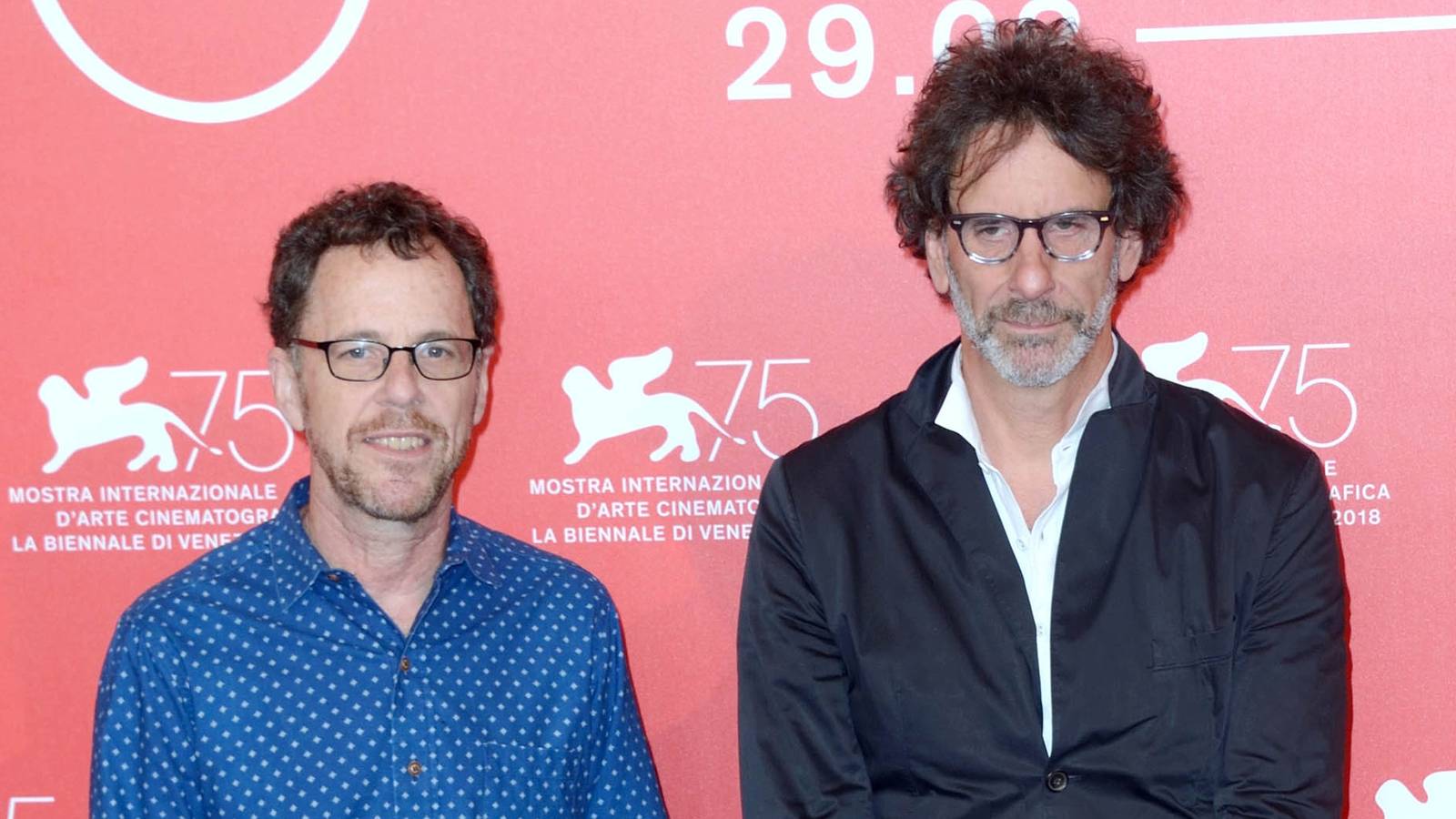
Several filmmakers have excelled in the realm of noir and neo-noir, but the Coen Brothers consistently deliver exceptional work. While celebrated for their quirky comedy The Big Lebowski, their contributions to the darker side of crime cinema are equally impressive.
Consider these examples of their mastery:
* Fargo (1996): A darkly comedic and suspenseful mystery set against a snowy backdrop.
* Miller’s Crossing (1990): A stylish and intricate gangster film with complex characters.
* No Country for Old Men (2007): Adapted from Cormac McCarthy’s novel, this is a chilling neo-Western that exemplifies the genre’s bleakness.
No Country for Old Men stands out as a notably potent example. Javier Bardem’s portrayal of Anton Chigurh is iconic, embodying the relentless, almost supernatural evil that frequently enough defines neo-noir villains.
Why Noir and Neo-Noir Endure
What is it about these genres that continues to resonate with audiences? Here’s what works best, in my experience:
* Complex Characters: Noir and neo-noir offer characters with depth and flaws, making them relatable despite their questionable actions.
* Intriguing Plots: The twists and turns keep you guessing, challenging your assumptions.
* Exploration of Worldwide Themes: The genres grapple with timeless questions about morality, justice, and the human condition.
* Atmospheric Storytelling: The visual style and mood create an immersive experience.
Ultimately, noir and neo-noir offer a compelling escape into a world of shadows and intrigue. They remind us that life isn’t always black and white, and that sometimes, the most captivating stories are found in the gray areas.
If you appreciate a well-crafted, hardboiled detective story, The Big Lebowski provides a brilliant comedic take on the genre. It’s a near-perfect blend of humor and suspense,and a testament to the enduring power of noir’s influence.
Keep reading