
Israeli Cinema at a Crossroads: Oscar Win for “The Sea” Amidst Funding reforms and Boycott Calls
The Israeli film industry is currently navigating a complex landscape of artistic achievement, political controversy, and evolving funding structures. Recent events,culminating in the Oscar recognition of “The Sea” and a heated debate over government film policy,highlight the tensions within the industry and its relationship with the international community. this article will break down the key developments and what they mean for the future of Israeli cinema.
“The Sea” Makes Waves at the Oscars
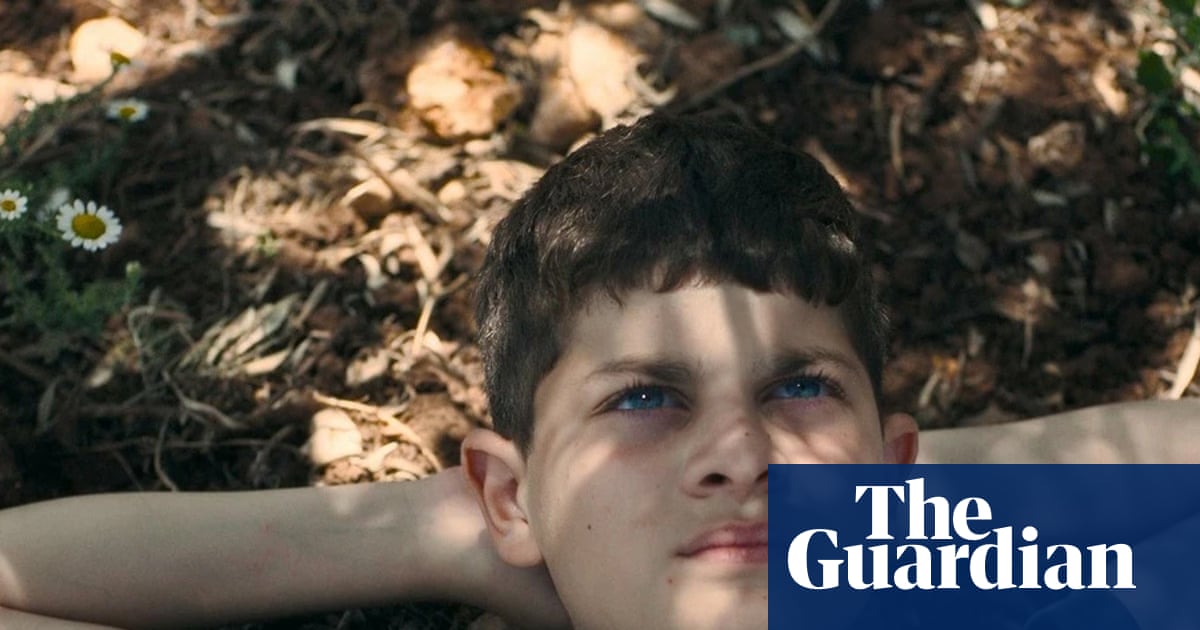
“The Sea,” a poignant film exploring the lives of Palestinian fishermen, recently secured a major win at the Academy Awards. Producer Baher Agbariya accepted the award with a powerful plea for peace and equality, stating the film’s message is simple: “the right of every child to live and dream in peace, without siege, without fear, and without war.”
The ceremony itself saw visible displays of protest against the ongoing conflict in Gaza, with attendees wearing symbols advocating for a ceasefire and the protection of children.Despite these demonstrations, Agbariya notably thanked the Israel Film Fund for its support of the project.
Government Reform Sparks backlash
The Oscar win arrives as Israel undergoes a significant overhaul of its film funding system. A new bill aims to prioritize commercially viable productions, shifting government resources away from autonomous and artistically driven projects.
This reform has drawn sharp criticism, particularly from within the industry. Government official Sharren Haskel publicly criticized the Oscar-winning documentary “No Other land,” labeling it “sabotage against the state of Israel.” This statement underscores the growing politicization of film funding and artistic expression.
A Growing International Boycott Movement
Adding to the pressure, over 3,000 international film professionals - including prominent figures like Olivia Colman, Javier Bardem, and Emma Stone - have signed a pledge to boycott Israeli film institutions. The boycott stems from concerns about israel’s actions in Gaza and the occupied Palestinian territories, alleging “genocide and apartheid.”
This movement has sparked a strong reaction from the Israeli film industry. Nadav Ben Simon, chairman of the israeli screenwriters’ guild, argues that boycotts are counterproductive. He emphasizes the long-standing collaborations between Israeli and Palestinian filmmakers focused on dialogue and peace-building.
* The core argument: Boycotts harm those actively working towards understanding and reconciliation.
* The focus: Highlighting existing collaborative efforts.
Industry and Hollywood Respond
The Israeli Academy of Film and Television, led by Assaf amir, has defended the selection of “The Sea” as a “powerful and resounding response” to both government attacks on the industry and international boycott calls.
Hollywood is also weighing in. Paramount Pictures released a statement opposing the boycott, asserting that silencing artists based on nationality hinders understanding and peace.
* Paramount’s stance: Creative expression should not be stifled by national origin.
* The broader implication: Supporting artistic freedom is crucial for fostering dialogue.
What Dose This Mean for the Future?
The current situation presents a critical juncture for Israeli cinema.you can expect to see:
* Increased Scrutiny: Funding decisions will likely face heightened public and international scrutiny.
* Creative Resilience: Filmmakers will need to navigate a challenging environment while continuing to produce impactful work.
* A Continued Debate: The debate over the role of art in political conflict will undoubtedly continue.
Ultimately, the future of Israeli cinema hinges on finding a balance between artistic freedom, government support, and international engagement. It’s a complex challenge, but one that will shape the cultural landscape for years to come.
Disclaimer: This article provides a factual overview of recent events and perspectives within the israeli film industry. It aims to present a balanced and informative account, acknowledging the sensitive and complex nature of the issues involved.


