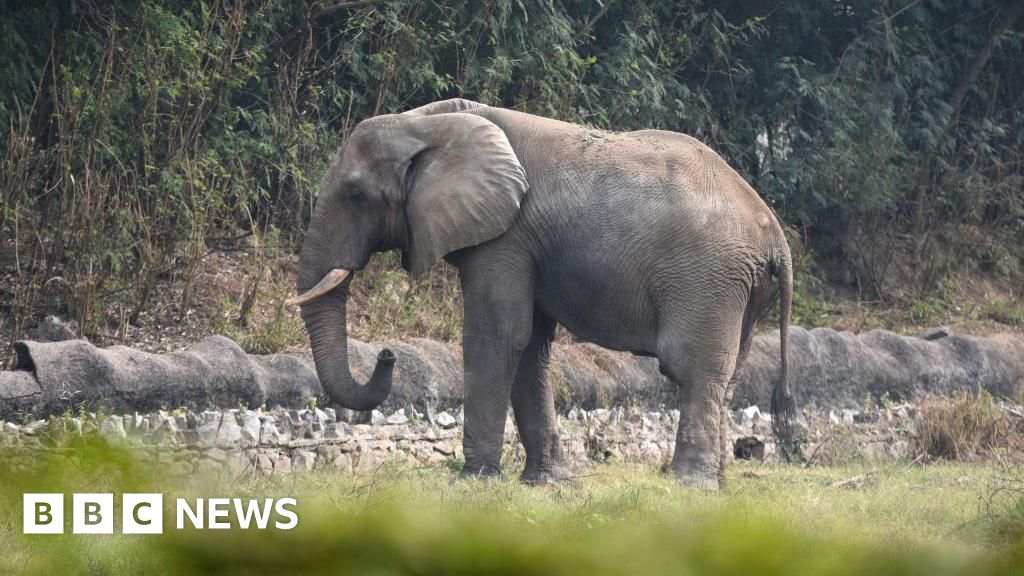
The Tragic Death of shankar the Elephant: A Case Study in Zoo Welfare
The recent passing of Shankar, a 35-year-old African elephant at the Delhi Zoo, has ignited a fierce debate surrounding animal welfare in captivity. while zoo officials maintain proper care was provided,his death – coupled with a recent suspension of the zoo’s accreditation - raises serious questions about the ethical considerations of keeping highly social animals like elephants isolated.
African elephants typically live up to 70 years in the wild, making Shankar’s relatively young age at death especially concerning. Initially, zoo director Mr. Kumar reported no signs of illness or unusual behavior leading up to Wednesday. However,the circumstances surrounding his demise have prompted accusations of systemic neglect.
A History of concerns
Several factors contributed to the growing unease regarding shankar’s well-being.
* Isolation: Shankar lived a largely solitary life, a stark contrast to the complex social structures elephants naturally inhabit.
* Chaining: Reports surfaced indicating Shankar was routinely chained,restricting his movement and perhaps causing physical and psychological distress.
* Accreditation Suspension: in October 2024, the World Association of Zoos and Aquariums (WAZA) suspended Delhi Zoo’s membership due to concerns about Shankar’s living conditions.
* Failed Relocation Efforts: WAZA demanded either shankar’s relocation or significant improvements to his care by April 2025, threatening permanent termination of membership.plans to bring in a female companion from Zimbabwe or Botswana were announced, but never materialized.
A Systemic Failure?
Animal welfare activists are framing Shankar’s death as a direct result of long-term institutional failings. Gauri Maulekhi, a prominent activist, argues this tragedy underscores a “systemic failure” demanding accountability. She believes keeping elephants and other social animals isolated in zoos is inherently cruel and calls for an end to the practice.
Despite the allegations, zoo officials insist all necessary care and upkeep were provided. However, they declined to address specific concerns raised by critics. A federal minister’s inspection shortly after the WAZA notice briefly offered a glimmer of hope, with the minister reporting an apparent improvement in Shankar’s health.
What Does this mean for Zoo Welfare?
shankar’s story serves as a critical reminder of the challenges inherent in maintaining the well-being of animals in captivity.You, as a concerned citizen, might be wondering what can be done to improve conditions for animals in zoos.
Hear are some key considerations:
- Prioritize Social Needs: Zoos must prioritize the social needs of animals, particularly those that thrive in complex social groups.
- Enrichment and Space: Providing ample space and enriching environments that stimulate natural behaviors is crucial.
- Transparency and Accountability: Increased transparency and self-reliant oversight are essential to ensure accountability and address welfare concerns.
- Focus on Conservation: Zoos should increasingly focus on conservation efforts that support animals in their natural habitats.
Ultimately, Shankar’s death is a call to action. It’s a moment to re-evaluate our approach to zoo management and prioritize the ethical treatment of animals under our care. It’s a reminder that simply providing basic physical needs isn’t enough; we must strive to create environments that allow animals to flourish, both physically and emotionally.
Worth a look