Russia Seizes Record-Breaking Cocaine Shipment: A Deep Dive into the Growing Drug Transit Route
Russian authorities announced Friday the largest drug bust in the nation’s history: over 1.5 metric tons of cocaine concealed within a banana shipment from Ecuador. The haul, valued at an estimated 20 billion rubles (approximately $240 million), was discovered August 29th at a St.Petersburg shipping port. This seizure highlights a concerning trend – Russia’s increasing role as a key transit point for Latin American cocaine destined for Europe.
The Discovery and Details of the Bust
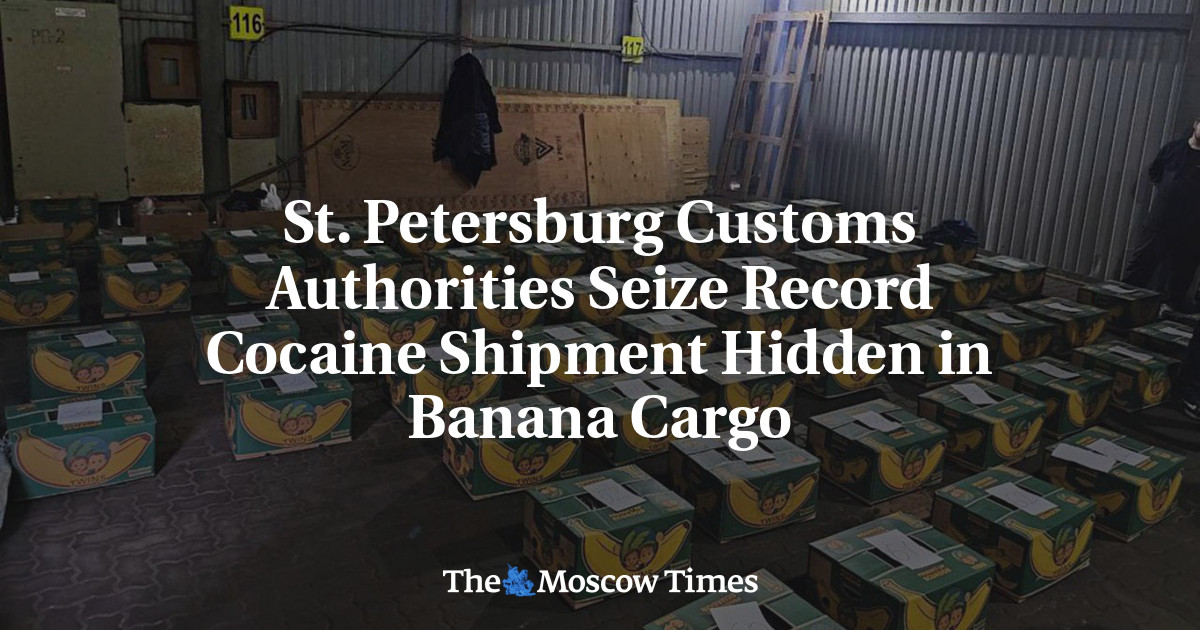
The Federal Customs Service and the FSB security service jointly reported the discovery. A tip from unnamed “foreign partners” initially alerted officials to the suspicious shipment. Upon inspection, authorities found 1,500 bricks of cocaine expertly hidden within 63 boxes of bananas aboard the vessel Cool Emerald.
Visual evidence released by the FSB showcased the operation. Boxes labeled with brand names like “Twins,” “Premium Bananas,” and clearly marked “Product of Ecuador” were shown both inside and outside the container. The total net weight of the cocaine reached 1,515 kilograms.
A Common Occurence? The Reality of Drug Trafficking Thru Russian Ports
While this seizure is record-breaking in size, drug interceptions at Russian ports aren’t uncommon. A source within the St. Petersburg fruit shipping industry, speaking anonymously, revealed that smaller seizures occur frequently. “I’ve had my shipments seized no less than twice a month,sometimes more,” the source stated,emphasizing the widespread nature of the problem. This suggests the recent bust represents a important escalation in trafficking attempts, rather than an isolated incident.
Authorities have launched a criminal examination into large-scale smuggling. They are actively working to identify and apprehend all individuals involved in the drug network. Currently, it remains unclear weather Ecuador served as the cocaine’s origin point or merely a transit hub.
The Shift in Global Drug routes: Russia’s Emerging Role
This massive cocaine seizure isn’t happening in a vacuum.Russia has increasingly become a crucial transit route for Latin American cocaine heading to European markets. This shift is directly linked to the closure of Ukraine’s Odesa port following Russia’s 2022 invasion. Odesa was previously a major hub for drug trafficking.
with Odesa effectively shut down, traffickers have sought alternative routes. Russia, despite its own internal security measures, presents a viable – and increasingly utilized – option. This creates a complex geopolitical situation, with potential implications for international drug control efforts.
Evergreen Insights: Understanding the Dynamics of Drug Trafficking
The recent cocaine seizure in Russia underscores several enduring truths about the global drug trade:
* Adaptability of Traffickers: Criminal organizations are remarkably adept at adapting to changing circumstances.The closure of one route simply prompts them to find another.
* Geopolitical Impact: Political instability and conflict directly influence drug trafficking patterns. Wars and disruptions create opportunities for illicit activities.
* The Importance of International Cooperation: Combating drug trafficking requires seamless collaboration between law enforcement agencies across borders. Sharing intelligence and coordinating efforts are essential.
* Economic Incentives: The enormous profits associated with the drug trade fuel its continued existence. Addressing the economic drivers of trafficking is crucial.
Frequently Asked questions About Cocaine Trafficking and russia
1. What is the importance of this cocaine seizure in Russia?
This seizure represents the largest drug bust in Russian history, highlighting the country’s growing importance as a transit route for cocaine destined for Europe. It signals a potential escalation in trafficking attempts.
2. Why is Russia becoming a more popular transit route for cocaine?
The closure of the Odesa port in Ukraine following the 2022 invasion has forced traffickers to seek alternative routes, making Russia a more attractive option.
3. Where did the cocaine shipment originate from?
While authorities haven’t confirmed the origin, the shipment was labeled “Product of Ecuador.” It’s currently under investigation whether Ecuador was the source or simply a transit point.
4. How often do drug seizures occur at Russian ports?
According to industry sources, smaller drug seizures at Russian ports are relatively common, occurring multiple times a month for some companies.
5. What are the potential consequences of Russia’s increased role in cocaine trafficking?
This could lead to increased drug-related