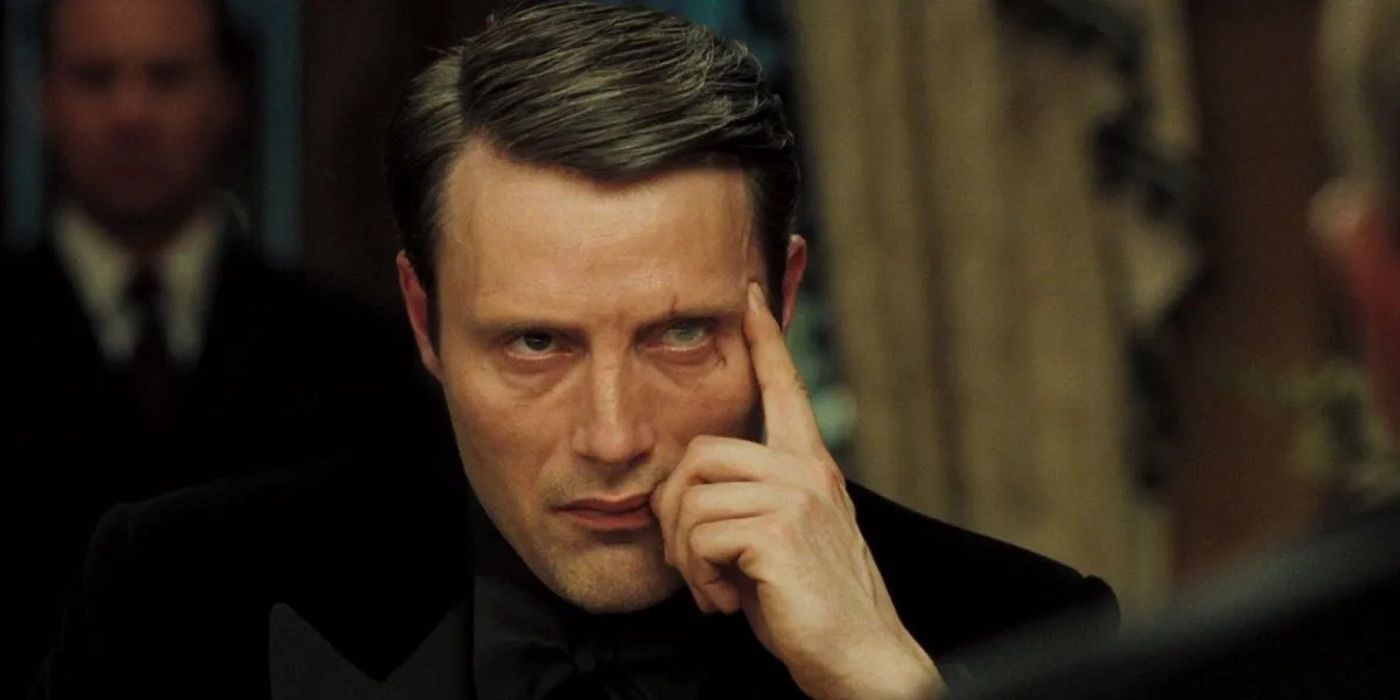
The Evolution of Evil: A Deep Dive into James Bond Villains
For over six decades, james Bond has captivated audiences wiht thrilling espionage and daring feats. But a hero is only as compelling as their adversary. The villains of the James Bond franchise aren’t mere obstacles; they’re cultural touchstones,evolving reflections of our anxieties,and masterclasses in cinematic villainy. This article explores the interesting history of Bond villains, their impact, and why they continue to resonate with audiences today.
Early Villains: Cold War Archetypes
The early Bond films, starring Sean Connery, emerged during the height of the cold War. Consequently, the villains of this era often embodied the perceived threats of the time: SPECTRE, a shadowy institution dedicated to global domination.
* Dr. no (1962): Introduced audiences to the formula – a brilliant, physically imposing villain with a grand, if outlandish, scheme. He represented the fear of scientific advancement falling into the wrong hands.
* Emilio Largo ( Thunderball, 1965): A ruthless SPECTRE operative, Largo exemplified the cold, calculating nature of the enemy. He prioritized profit over morality,a chillingly realistic threat.
* Ernst Stavro Blofeld ( From Russia with Love, 1963 onwards): Arguably the most iconic bond villain, Blofeld’s initial appearance – a disembodied voice and stroking cat – created an aura of mystery and menace. He became the face of SPECTRE, and a recurring thorn in Bond’s side. Actors like donald Pleasence and Telly Savalas further cemented his status as Bond’s arch-nemesis.
The Roger Moore Era: Flamboyance and Excess
As Bond evolved through the 1970s and 80s with Roger Moore, the villains often mirrored the era’s penchant for extravagance. Plots became more outlandish,and villains embraced a theatrical flair.
* Auric Goldfinger ( Goldfinger,1964): Still considered the quintessential Bond villain,goldfinger’s plot to irradiate Fort knox’s gold supply showcased audacious ambition. His iconic scenes, like the laser table confrontation, remain unforgettable.
* Francisco Scaramanga ( The Man with the golden Gun, 1974): A highly skilled assassin with a golden gun, Scaramanga presented a more personal challenge to Bond. He was a mirror image – a deadly professional, but driven by ego and a twisted sense of artistry.
* Hugo Drax ( Moonraker,1979): Drax’s plan to wipe out humanity and repopulate Earth with a master race was a product of its time,reflecting anxieties about overpopulation and genetic engineering.
Modern Era Villains: Complexity and Depth
In recent decades,Bond villains have become increasingly complex,reflecting a shift in storytelling. Films like Skyfall (2012) and No Time to die (2021) delve into the antagonists’ personal histories and motivations, blurring the lines between hero and villain.
* Raoul Silva ( Skyfall, 2012): Javier Bardem’s portrayal of Silva was a masterclass in psychological villainy. His backstory as a former MI6 agent betrayed by M created a deeply personal vendetta against both Bond and his employer.
* Lyutsifer Safin ( no Time to Die, 2021): Rami Malek’s Safin challenged Bond on an intellectual and emotional level. his motivations stemmed from a desire to erase the past and create a new world order, making him a chillingly relevant antagonist.
These modern villains aren’t simply evil; they’re damaged, driven, and often possess a warped sense of morality.
Impact Beyond the Screen
Bond villains have transcended their cinematic roles to become cultural icons. Their influence extends to fashion, pop culture, and even political discourse.
* Blofeld’s Nehru Jacket: Became synonymous with villainy, representing a sophisticated yet sinister aesthetic.
* Memorable Quotes: Lines like “No, Mr. Bond, I expect you to die” have permeated the collective consciousness.
* Archetypes of evil: Bond villains have shaped our understanding of
Related reading