
Rising Risks for Journalists Covering Conflict in Yemen and Gaza
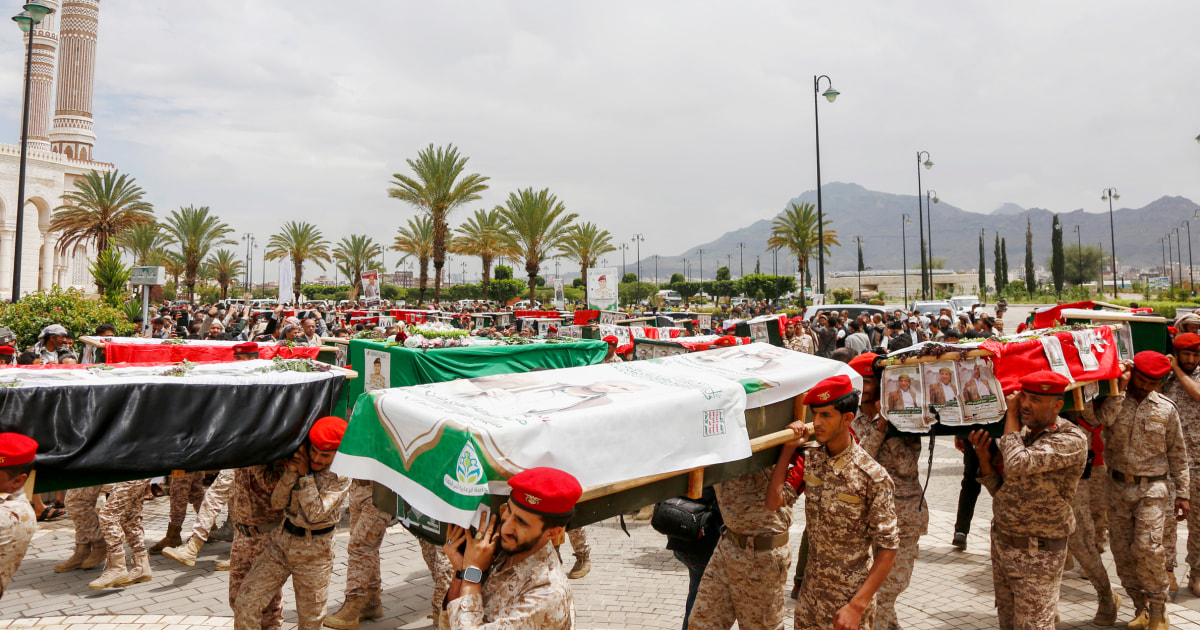
the ongoing conflicts in Gaza and Yemen are creating an increasingly dangerous environment for journalists. Recent events highlight a disturbing trend: a important rise in the number of media workers killed while reporting from these regions.this poses a serious threat to the free flow of information and the ability of the world to understand the realities on the ground.
The Escalating Situation
Houthi forces, controlling much of northwest Yemen including Sanaa, began launching missiles and drones toward Israel following the October 7, 2023, attacks by hamas and the subsequent war in Gaza. This expansion of conflict has unfortunately extended the risks faced by those documenting it.
The war in Gaza, in particular, has become one of the deadliest periods on record for journalists. Reporters across the Middle East are finding themselves caught in the crossfire as tensions escalate beyond the immediate conflict zone.
A Stark toll: Journalist Fatalities
According to the Committee to Protect Journalists (CPJ), at least 193 Palestinian journalists and media workers have been killed in Gaza as the start of the war. Tragically, this number extends to six in Lebanon, three in Iran, and now 31 in Yemen.
These aren’t simply statistics; they represent individuals risking their lives to bring you vital information. The CPJ states, “Israel is engaging in the deadliest and most deliberate effort to kill and silence journalists that CPJ has ever documented.”
Calls for Accountability
The Foreign Press Association, representing international media in Israel and the Palestinian territories, has urgently called on Israel to cease its targeting of journalists. This practice is considered abhorrent and a direct assault on press freedom.
The situation has become so perilous that Reuters has stopped sharing the locations of its teams in Gaza wiht the Israeli military. This drastic measure was taken in August due to the alarming number of journalists killed.
Historical Context & Severity
The deadliest single attack on the press previously recorded by the CPJ was the 2009 Maguindanao massacre in the Philippines. In that horrific event, 32 journalists were among those killed during an ambush. Though, the current situation in Gaza is rapidly surpassing this tragedy in terms of sheer numbers and the alleged intentionality of the targeting.
Hear’s a quick overview of the key concerns:
* Increased Fatalities: A dramatic rise in journalist deaths in both Gaza and Yemen.
* deliberate Targeting: Allegations of intentional targeting of journalists, raising serious ethical and legal questions.
* Safety Protocols: News organizations are forced to reassess safety protocols,like Reuters halting location sharing.
* Impact on Reporting: The dangers faced by journalists directly impact the ability to report accurately and comprehensively from conflict zones.
If you rely on news from these regions, it’s crucial to understand the risks journalists are taking to deliver it. Supporting organizations dedicated to press freedom and demanding accountability for those who harm journalists are vital steps in protecting this essential pillar of democracy.


