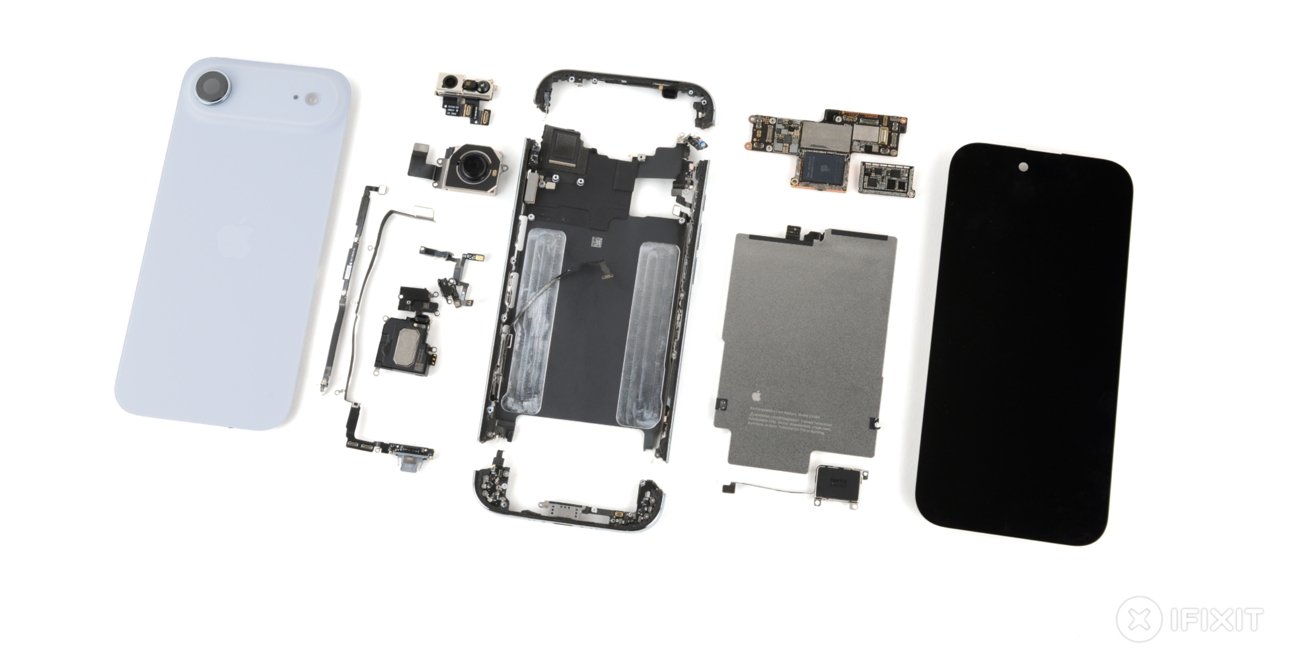
the iPhone air Teardown: A Deep Dive into Apple’s Engineering Marvel
The launch of the iPhone Air has sparked considerable interest, not just for its sleek design and competitive price point, but also for its surprisingly high repairability. this article provides an in-depth exploration of the iPhone Air’s internal architecture, drawing on the recent teardown conducted by iFixit and Lumafield CT scans, to reveal how Apple achieved such a thin profile without compromising functionality or ease of repair. We’ll delve into the innovative design choices, component arrangement, and implications for both consumers and repair professionals. This isn’t just a report on what is inside; it’s an analysis of how Apple made it all fit,and what it means for the future of smartphone design.
Did You Know? The iPhone Air’s design represents a notable shift in Apple’s approach, prioritizing repairability alongside aesthetics and performance.This is a response to growing “right to repair” movements and consumer demand for longer-lasting devices.
Understanding the iPhone Air’s Core Design Ideology
Apple’s design philosophy has historically balanced form and function, ofen leaning towards tightly integrated components that, while maximizing space, made repairs complex. The iPhone Air, however, appears to be a purposeful departure from this trend. The key to its thinness and repairability lies in a basic restructuring of internal component placement. Instead of spreading components across the device’s interior, apple has concentrated them within a newly designed ”plateau” – the prominent camera bump.
This strategic move isn’t merely aesthetic. It’s a masterclass in engineering, allowing for a more modular design. The plateau houses the logic board and other critical elements, effectively freeing up valuable space within the main body of the phone for the larger battery and display. This contrasts with previous iPhone models where components where more densely packed, making disassembly and repair a delicate and time-consuming process.
The “Plateau” and Component Redistribution: A Detailed Look
The Lumafield CT scan, performed prior to iFixit’s physical teardown, provided the first glimpse into this architectural shift. The scan clearly illustrates the concentration of components within the camera bump. This isn’t simply about stacking parts; it’s about intelligently arranging them to optimize space and accessibility.
Here’s a breakdown of the key components and their placement:
* Logic board: Relocated to the plateau, providing a central hub for all other components. This centralization simplifies connections and reduces cable clutter.
* Battery: Benefiting from the freed-up space, the iPhone Air boasts a larger battery capacity compared to its predecessor, despite the slimmer profile.
* Display: The display assembly is designed for relatively easy removal, a significant advancement over previous models where adhesive and fragile connections posed a challenge.
* cameras: While housed within the plateau, the camera system itself benefits from the structural support provided by the redesigned bump.
Pro Tip: When considering repairs, remember that the plateau area is the most densely populated section of the iPhone Air. While generally more accessible, it still requires careful handling and specialized tools.
Repairability Score and Implications for Consumers
iFixit awarded the iPhone Air a repairability score of 6 out of 10 – a remarkably high score for a modern smartphone. This score reflects several key factors:
* Easy Access to Components: The redesigned internal layout allows for relatively straightforward access to most components.
* Standardized Fasteners: Apple has largely moved away from proprietary screws, opting for more common and readily available fasteners.
* Reduced Adhesive: The use of adhesive has been minimized, making disassembly less risky and reducing the likelihood of damage.
* Modular Design: The separation of components into distinct modules simplifies replacement and repair.
This increased repairability translates to several benefits for consumers:
* Lower Repair Costs: Easier repairs meen lower labor costs.
* Extended Device Lifespan: The ability to replace damaged components extends the lifespan of the device, reducing electronic waste.
* Increased Consumer Choice: Consumers have more options for repair, including autonomous repair shops and DIY repairs.
Comparing the iPhone Air to Previous iPhone Models
| Feature | iPhone Air (2024) | iPhone 15 (Example) |
|---|
Keep reading