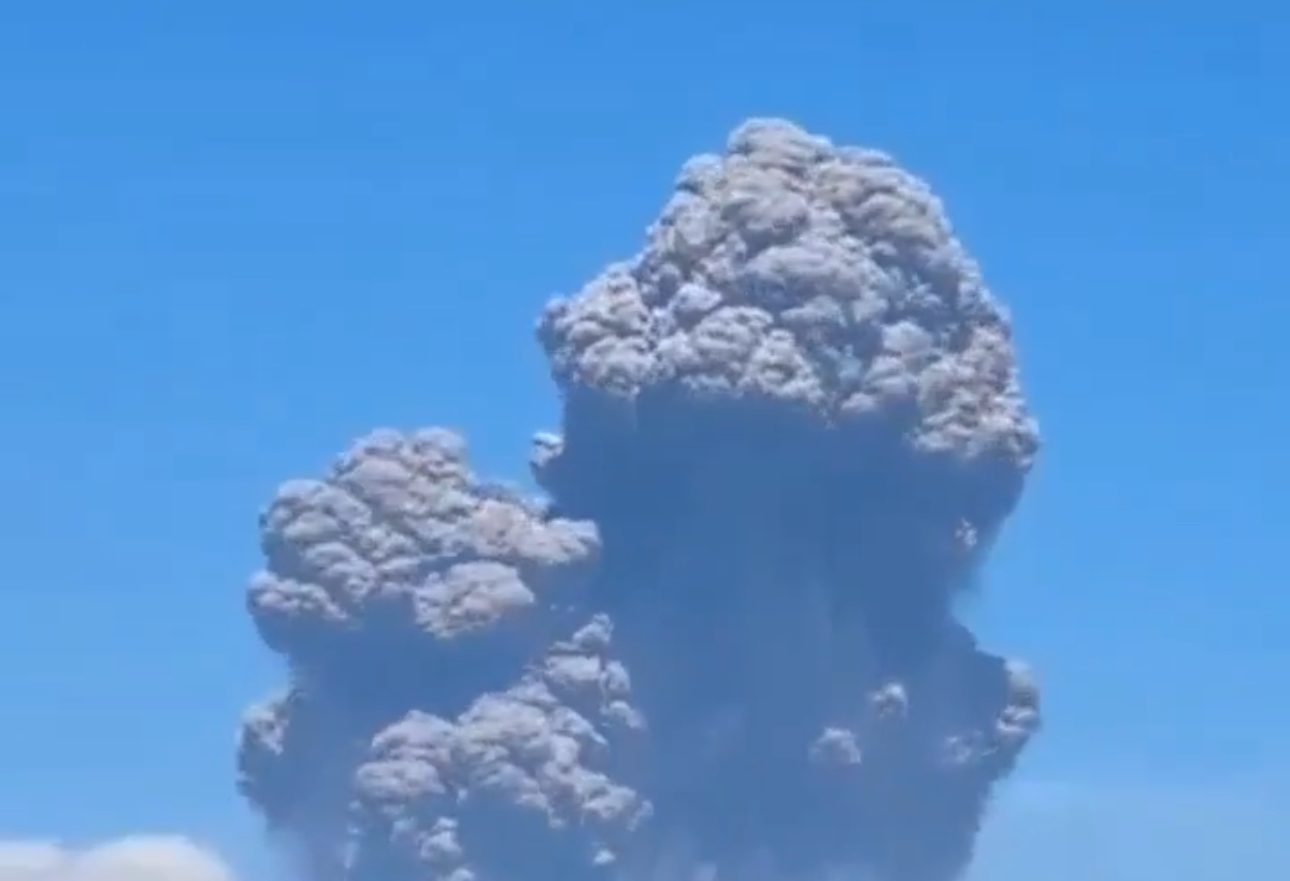
Mount Lewotobi Laki-Laki eruption: Latest Updates,Risks,and What You Need to Know
Indonesia’s volcanic landscape has once again shifted,with Mount Lewotobi Laki-Laki on Flores Island experiencing a meaningful escalation in eruptive activity. As of September 20, 2025, the volcano is spewing ash columns kilometers high, prompting flight disruptions and heightened alerts for nearby communities. This article provides a comprehensive overview of the situation, detailing the current risks, potential impacts, and essential safety measures. Are you traveling to or living near an active volcanic region? Understanding the dynamics of these events is crucial for your safety and preparedness.
Current Situation: A Deep Dive into Lewotobi Laki-Laki’s Activity
Mount Lewotobi Laki-Laki, a twin-peaked volcano reaching 1,584 meters (5,197 feet), began a series of eruptions Friday evening, September 19th, 2025. The most substantial eruption occurred at 10:46 PM local time, launching volcanic material an remarkable six kilometers (nearly four miles) above the peak. Activity continued into Saturday, September 20th, with multiple eruptions recorded, including an ash tower reaching 2.5 kilometers into the sky.
The Indonesian Center for Volcanology and geological Hazard Mitigation (PVMBG) has raised the volcano’s alert level to its highest tier - Level IV, signifying an imminent major eruption. This escalation reflects the increasing frequency and intensity of the eruptions, and also the potential for more hazardous activity.You can find the latest official updates directly from the PVMBG website: https://magma.esdm.go.id/ (Official Indonesian Volcanology Agency).
Understanding the Risks: Ashfall, Lahar Flows, and Aviation Impacts
The eruption of Mount Lewotobi Laki-Laki presents several key risks:
* Ashfall: Volcanic ash poses a significant threat to both human health and infrastructure. Even relatively small amounts of ash can disrupt air travel, contaminate water supplies, damage crops, and cause respiratory problems. Recent research from the University of Cambridge (published August 2025 in Nature Geoscience) highlights the long-term impact of ashfall on agricultural yields, demonstrating a potential reduction of up to 20% in affected areas.
* Lahar Flows: Heavy rainfall, common in Indonesia, combined with volcanic debris can create lahars - destructive mudflows that race down river valleys. These flows are incredibly powerful and can bury everything in their path. Authorities are particularly warning communities near rivers to remain vigilant.
* Aviation Disruption: Volcanic ash is extremely hazardous to aircraft engines. The Maumere Frans Seda Airport, serving domestic flights on Flores Island, has suspended operations as a precautionary measure. The potential for ash to spread towards flight paths necessitates careful monitoring and potential rerouting of air traffic.As of Saturday, September 20th, Bali’s airport remains operational, but is under close observation.
* Pyroclastic Flows & Surges: While not yet reported, a Level IV alert suggests the possibility of pyroclastic flows - fast-moving currents of hot gas and volcanic matter - and surges, which are even more unpredictable. These are the most hazardous volcanic phenomena.
Safety Measures and Evacuation Guidelines
Authorities are urging residents and tourists to adhere to the following safety guidelines:
* Stay at least 6 kilometers (3.7 miles) from the volcano’s crater. This exclusion zone is critical to minimize exposure to direct hazards.
* Wear masks and protective eyewear if exposed to ashfall. N95 masks offer the best protection against fine ash particles.
* Protect water sources from contamination. Ash can render water unsafe for drinking.
* Be prepared to evacuate if instructed by local authorities. Have a pre-packed emergency kit ready with essential supplies (water, food, medication, flashlight, radio).
* Monitor official updates from the PVMBG and local disaster management agencies. Reliable information is crucial for making informed decisions.
* If you experiance respiratory problems, seek medical attention promptly.
Actionable Tip: Download a reliable emergency alert app for your region. Many apps provide real-time updates on volcanic activity and evacuation orders.
Indonesia’s Volcanic Landscape: A Ring of Fire Hotspot
Indonesia’s location on the Pacific “Ring of Fire” makes it one of
Worth a look