taliban Reject Trump‘s Claims of Potential U.S. Return to Afghanistan, Citing Doha Agreement
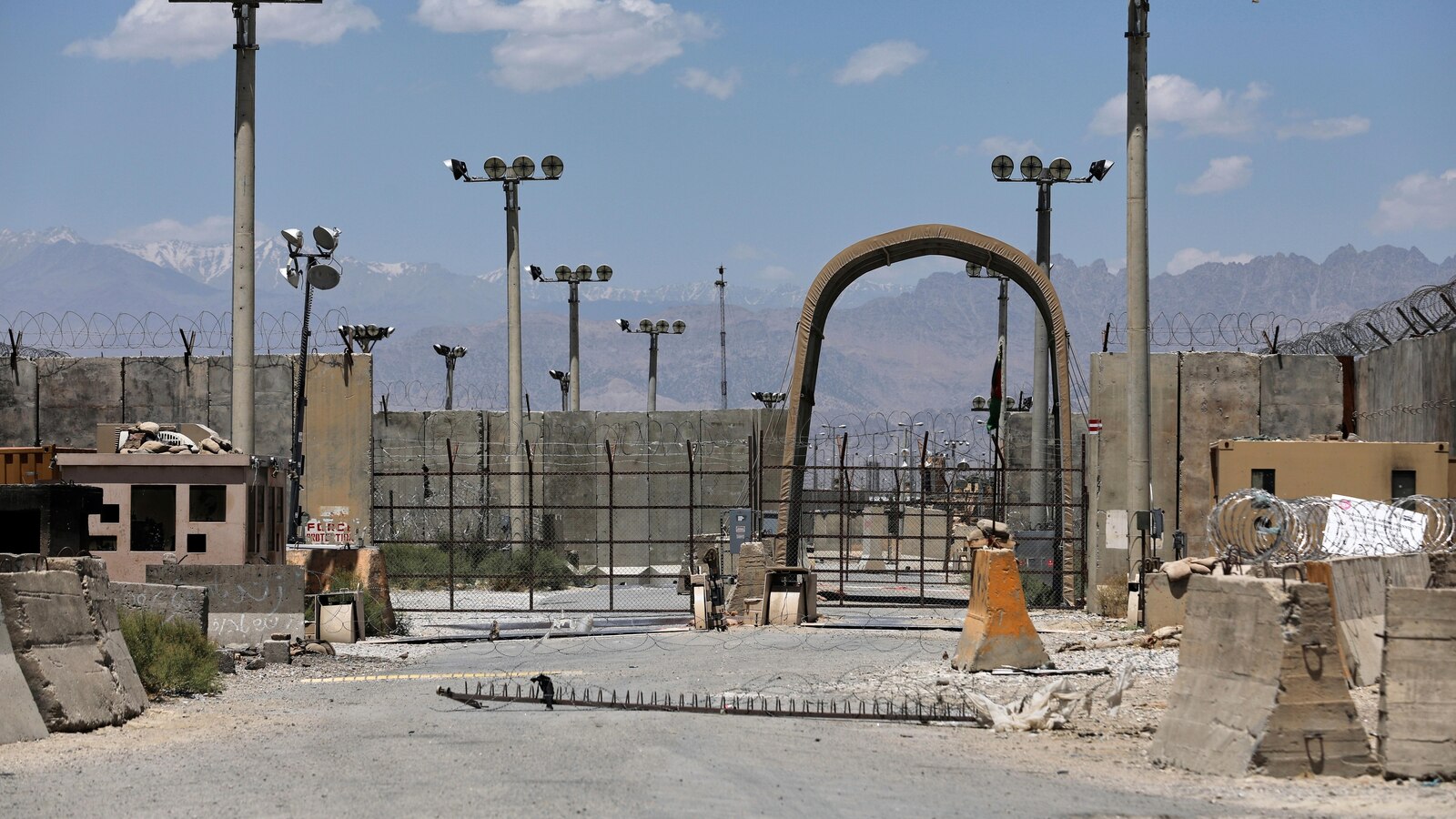
Former President Trump recently suggested the possibility of the United States regaining control of Bagram Airfield, and potentially re-establishing a military presence in Afghanistan. However, the Taliban swiftly dismissed these assertions, reaffirming their commitment to the nation’s sovereignty and referencing the terms of the 2020 Doha Agreement. This exchange highlights the complex and evolving dynamic between the two entities, notably as the Taliban navigate significant internal and external challenges.
A History of Withdrawal and Current Realities
the U.S. military officially relinquished control of Bagram airfield to the Taliban in 2021, marking a pivotal moment in the conclusion of America’s two-decade-long military involvement in Afghanistan. Since their return to power, the Taliban have faced a multitude of hurdles.These include a severe economic crisis, a struggle for international recognition, internal divisions, and ongoing threats from rival militant groups.
Trump’s comments alluded to the possibility that the Taliban, burdened by these difficulties, might be receptive to a U.S. military return.He suggested they could be willing to negotiate terms for a renewed presence.
taliban’s firm Response and Emphasis on Sovereignty
Zabihullah Mujahid, the chief Taliban spokesperson, unequivocally rejected Trump’s claims. He urged the U.S.to embrace a policy grounded in “realism and rationality.” Mujahid emphasized Afghanistan’s focus on an economy-driven foreign policy, seeking constructive relationships with all nations based on mutual respect and shared interests.
Furthermore, Mujahid underscored the paramount importance of Afghanistan’s independence and territorial integrity. He reminded the U.S. of its commitments under the Doha Agreement. Specifically, he pointed to the pledge that the U.S. would refrain from using force or interfering in Afghanistan’s internal affairs.
The Doha Agreement: A Cornerstone of the Relationship
The Doha Agreement, signed in 2020, laid the groundwork for the withdrawal of U.S. troops from Afghanistan. It included specific assurances regarding Afghanistan’s sovereignty. The Taliban insist the U.S. uphold these commitments.
Notably, Mujahid declined to comment on any direct conversations with the Trump administration regarding Bagram or the basis for Trump’s belief in a potential U.S. retaking of the base.
Demonstrating Control and Remembering the Past
Last August, the Taliban commemorated the third anniversary of their takeover of Bagram with a military display. This included showcasing abandoned U.S. military equipment, an event that reportedly drew attention from the White House.
Trump has consistently criticized the Biden administration’s handling of the withdrawal, labeling it as “gross incompetence.” He frequently points to the abandoned equipment as evidence of this perceived failure.
what This Means for You
This situation underscores the delicate balance of power in Afghanistan. You should understand that the Taliban are steadfast to maintain control and resist any perceived threats to their sovereignty. The future of U.S.-Afghanistan relations remains uncertain, heavily reliant on adherence to existing agreements and a commitment to respectful dialogue.
* Key Takeaway: The Taliban are firmly rejecting any suggestion of a U.S. military return.
* Looking Ahead: Expect continued diplomatic tension and a focus on economic stability within Afghanistan.
* Understanding the Context: The Doha Agreement remains a crucial framework for any future interactions.
Ultimately, the situation requires careful observation and a nuanced understanding of the ancient context and current political realities. It’s a reminder that navigating international relations demands patience, diplomacy, and a steadfast commitment to respecting national sovereignty.
Related reading