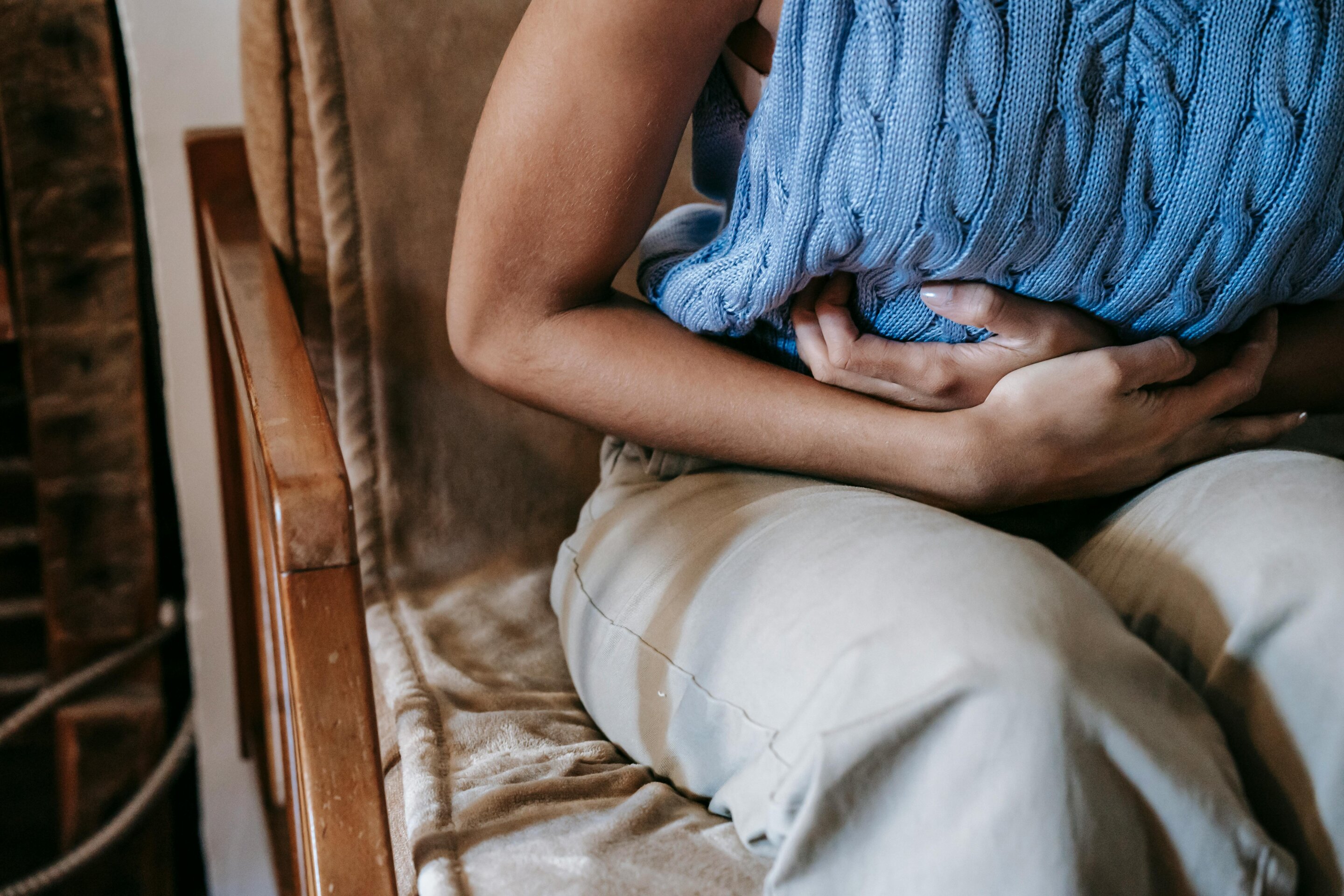
Long COVID can manifest in a surprising variety of ways, and recent research highlights a concerning connection between teh post-acute phase of the illness and menstrual cycle irregularities. Specifically, abnormal uterine bleeding and variations in symptom severity linked to the menstrual cycle are being observed in individuals recovering from COVID-19. This is a relatively new area of inquiry, but the findings are prompting a closer look at the long-term health impacts of the virus, particularly for women.
Here’s what you need to know about this emerging link:
* What’s happening? Many individuals experiencing long COVID report changes to their menstrual cycles. These changes include heavier or lighter bleeding, irregular cycles, and the emergence of new or worsened premenstrual symptoms.
* Cycle-phase symptom variation is key. It’s not just that symptoms are present, but when they occur in relation to your cycle that’s significant. Researchers are finding that long COVID symptoms can fluctuate,becoming more pronounced during specific phases of the menstrual cycle.
* Possible mechanisms are complex. Several theories attempt to explain this connection.These include immune dysregulation triggered by the initial COVID-19 infection, hormonal imbalances, and the impact of inflammation on the hypothalamic-pituitary-ovarian (HPO) axis – a crucial system regulating reproductive function.
* Inflammation plays a role. I’ve found that persistent inflammation, a hallmark of long COVID, can disrupt hormonal signaling and contribute to menstrual irregularities. this disruption can affect the uterine lining and lead to abnormal bleeding.
* Autoimmunity could be involved. The virus can sometimes trigger an autoimmune response, where the body attacks its own tissues. This could possibly affect the reproductive organs and contribute to cycle changes.
What does this mean for you?
If you’re experiencing long COVID and noticing changes in your menstrual cycle, it’s crucial to discuss these with your healthcare provider. Don’t dismiss these symptoms as simply “stress” or unrelated issues.
Here’s what you should do:
- Track your cycle and symptoms. Keeping a detailed record of your menstrual cycle,including bleeding patterns,symptom severity,and timing,can provide valuable details for your doctor.
- Be specific with your doctor. clearly communicate all changes you’ve noticed, even if they seem minor. The more information you provide, the better your doctor can assess your situation.
- Consider hormonal testing. Your doctor may recommend blood tests to evaluate your hormone levels and identify any imbalances.
- Explore potential treatments. Depending on the underlying cause of your symptoms, treatment options may include hormonal therapy, anti-inflammatory medications, or other interventions.
Looking ahead:
Research into the link between long COVID and menstrual irregularities is ongoing. Further studies are needed to fully understand the mechanisms involved and develop effective treatments. However, recognizing this connection is a vital step toward providing comprehensive care for individuals experiencing the long-term effects of COVID-19.
Here’s what works best in my experience: proactive communication with your healthcare team and a focus on holistic well-being. Remember,you are not alone,and there are resources available to help you navigate these challenges.